Nelly Lack
Mục blog của Nelly Lack
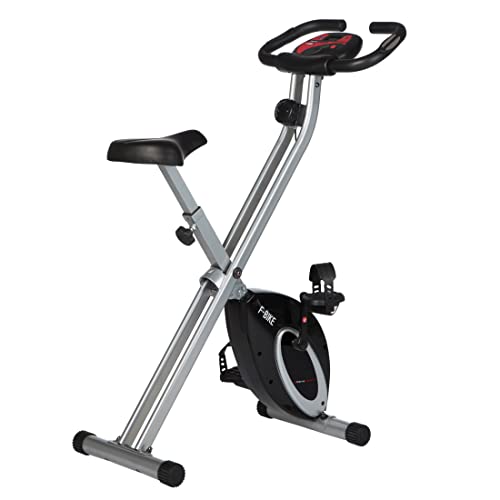
Understanding Exercise Cycles: Your Guide to Effective Workouts
Intro
Exercise cycles, typically described as Home Workout equipment cycles or training cycles, include various structured plans created to optimize physical fitness and performance. These cycles are vital for athletes and fitness lovers intending to stabilize their training regimens effectively, guaranteeing they target different fitness parts while enhancing general efficiency. This article will explore the various types of exercise cycles, the parts that define them, their benefits, and how to produce a strategy that aligns with individual fitness objectives.
What are Exercise Cycles?
Exercise cycles typically include unique stages concentrated on particular fitness objectives, including strength building, endurance, speed, or recovery. These stages, when well-structured, permit individuals to accomplish peak performance while decreasing the threat of injury and overtraining.
Key Components of Exercise Cycles
Periodization: This refers to the systematic planning of athletic or physical training. It involves dividing a training year into particular blocks or stages to make the most of efficiency gains while handling tiredness and recovery.
Stages of Training:
- Preparation Phase: Focuses on constructing a structure of strength and endurance.
- Structure Phase: Targets more particular strengths and endurance adaptations.
- Peak Phase: Optimizes performance and is generally approached close to competition time.
- Healing Phase: Allows the body to recover, avoiding burnout and injuries.
Microcycles: Each training cycle is typically broken down into smaller sized cycles (microcycles), often lasting a week. These microcycles will vary in intensity, volume, and particular focus.
Kinds Of Exercise Cycles
Here's a breakdown of some commonly recognized exercise cycles:
1. Linear Periodization
This traditional model gradually increases strength while decreasing volume over a training duration. It is typically used by professional athletes preparing for competitions and includes unique phases, each targeting various physical attributes.
Benefits:
- Predictable outcomes.
- Solid structure for newbies.
Drawbacks:
- May absence flexibility to adapt to unanticipated modifications in goals or physical conditions.
2. Swelling Periodization
This design is more flexible compared to linear periodization, rotating between different training intensities and volumes on a weekly or even everyday basis.
Advantages:
- Greater range in exercises.
- Decreased risk of plateauing.
Drawbacks:
- Requires careful planning to avoid overwork.
3. Block Periodization
Common in elite training procedures, block periodization divides training into distinct blocks focused on specific objectives, alternating between strength, hypertrophy, and endurance.
Benefits:
- Highly specific and targeted training.
- Allows maximum efficiency within brief periods.
Drawbacks:
- Requires significant experience and understanding of personal limitations.
4. Conjugate Method
This approach includes numerous training goals at as soon as, such as strength, speed, and hypertrophy, within a single cycle.
Benefits:
- Efficient for professional athletes with multiple training demands.
- Can lower dullness in exercises.
Drawbacks:
- Complicated to plan efficiently.
- Risk of inadequate focus on particular areas.
Benefits of Exercise Cycles
Integrating exercise cycles into a training program has numerous advantages:
- Improved Adaptation: Structured cycles allow the body to adapt and avoid stagnancy by routinely presenting brand-new challenges.
- Injury Prevention: By including recovery and differed intensity, exercise cycles reduce the risk of overuse injuries.
- Enhanced Performance: Cycles promote peak performance by permitting tactical training loads and recovery periods.
- Focused Goals: Each phase can target specific outcomes, making it possible for much better tracking of progress and motivation.
How to Create an Effective Exercise Cycle
Producing an effective exercise cycle comes down to understanding specific goals, fitness level, and lifestyle. Below are steps to develop your cycle:
- Define Clear Goals: Whether intending for weight loss, muscle gain, or enhanced endurance, clearness on objectives is crucial.
- Examine Current Fitness Level: Take stock of your present fitness status to develop a practical plan.
- Pick the Right Type of Cycle: Based on goals and knowledge, decide on a suitable type of exercise cycle.
- Strategy Phases: Outline the preparation, building, peak, and recovery stages, with unique focus and structure for each.
- Incorporate Variation: Regularly change exercises, strengths, and training modalities to prevent boredom and improve adjustment.
- Screen Progress: Keep track of exercises and results, updating the strategy as required based upon efficiency and feedback.
FAQs about Exercise Cycles
Q1: How typically ought to I alter my exercise cycle?It is recommended to revisit or alter your cycle every 4-8 weeks, depending upon your development and reaction to the program. Q2: Can novices take advantage of exercise cycles?Yes! Novices can take advantage of structured cycles by slowly increasing their capabilities and concentrating on foundational abilities and strength. Q3: What need to I do throughout healing phases?During healing stages, participate in lighter activities such as yoga, moderate
cardio, and extending to promote healing without extreme exertion. Q4: How do I understand what kind of exercise cycle to choose?It frequently depends upon your experience level, primary fitness goals, and personal choices. Consulting with a fitness professional can help tailor a cycle ideal for you. Comprehending and making use of exercise cycles can significantly enhance exercise effectiveness and total fitness progress. By acknowledging the different types of cycles, their parts, and the methods utilized
in preparing workouts, individuals are much better geared up to accomplish their fitness goals while also concentrating on recovery and injury prevention. Whether one is a skilled professional athlete or a beginner, exercise cycles provide a structured method that is vital for optimizing potential and keeping motivation throughout the fitness journey.