Jaunita Crowther
Mục blog của Jaunita Crowther
Understanding the UK Driver's Licence: A Comprehensive Guide
Obtaining a driver's licence in the United Kingdom is a considerable milestone for numerous individuals. It not only represents self-reliance but also provides higher flexibility in individual and professional elements of life. This short article intends to provide a detailed introduction of the UK driver's licence, including how to apply, various types of licences, and numerous policies associated with driving in the UK.
Overview of the UK Driver's Licence
In the UK, a driver's licence is a main document that allows a specific to operate motor lorries on public roadways. The driving licence system in the UK is structured and regulated by the Driver and Vehicle Licensing Agency (DVLA).
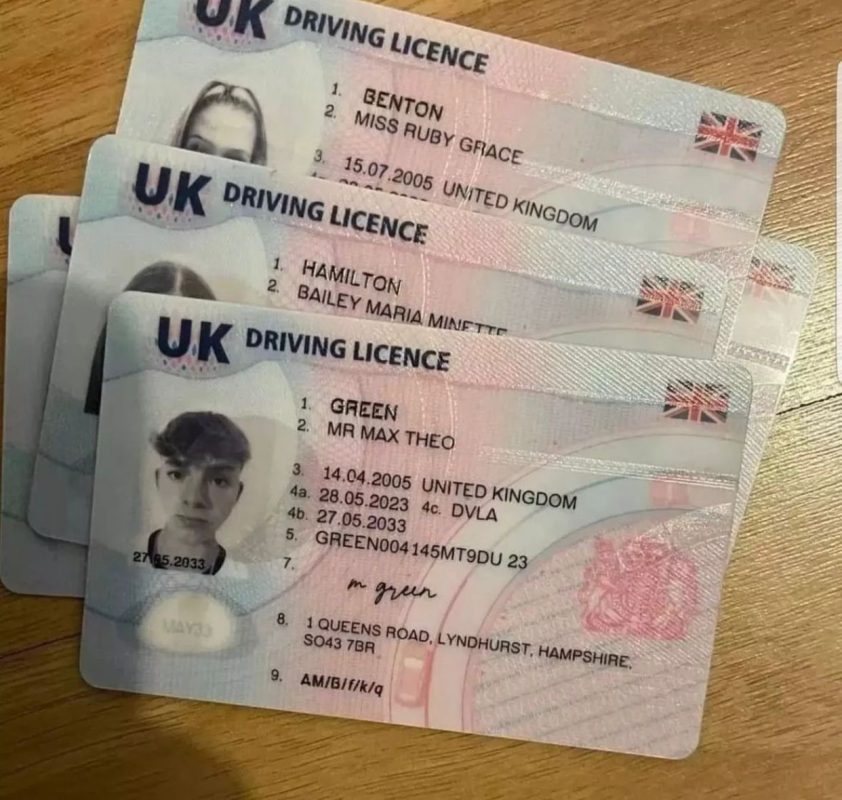
Kinds Of UK Driver's Licences
The UK provides several kinds of driving licences, each customized for different categories of vehicles. These include:
Provisional Licence:
- Age Requirement: Minimum of 17 years
- Permits students to drive under particular conditions.
- Can not drive without a certified driver accompanying them.
Complete Licence:
- Issued as soon as a person has actually passed both the theory and useful driving tests.
- Various classifications offered based on car types:
- Category B: Cars
- Category A: Motorcycles
- Classification C: Large goods automobiles
- Category D: Buses
International Driving Permit (IDP):
- Required for driving in some foreign countries.
- Released to UK licence holders at Post Office branches.
Temporary Licences:
- For individuals who might have lost their licence or are waiting for updates on their current licence.
The Application Process for a UK Driver's Licence
Looking for a driver's licence in the UK includes numerous steps, whether for a provisional or complete licence. Here are the vital steps in detail:
Step 1: Obtain a Provisional Licence
- Eligibility: Individuals should be at least 17 years old to apply.
- Application: Applications can be made online through the DVLA site or through paper forms available at post workplaces.
- Documents Required:
- Proof of identity (passport or another main ID).
- National Insurance number (if offered).
- A postal address in Great Britain.
Step 2: Study for the Theory Test
- Content: The theory test includes multiple-choice questions and a risk understanding test.
- Preparation: Various resources are available, consisting of online courses, apps, and books that aid in preparation.
Step 3: Pass the Theory Test
- The theory test need to be cleared before attempting the useful driving test.
Step 4: Practical Driving Test
- Knowing and Instruction: An individual can take driving lessons with a qualified trainer or learn with an approved accompanying driver.
- Scheduling the Test: Once confident in driving capabilities, candidates can reserve their dry run online.
- Test Components: The dry run evaluates driving abilities, maneuvers, and real-world driving conditions.
Step 5: Receiving the Full Licence
- After successfully passing the useful driving test, the DVLA will release a complete driving licence, which allows people to drive independently.
Guidelines and Regulations
Preserving a valid driving licence in the UK requires adherence to numerous rules and guidelines:
- Renewal: Licences must be renewed every 10 years. Renewal can be done online or by means of paper application.
- Points System: The UK employs a penalty points system. Specific traffic offences lead to points being added to a driver's licence, which can lead to severe repercussions if the build-up exceeds a specific limitation.
- Medical Conditions: Drivers need to notify the DVLA of any medical condition that could impact their ability to drive.
Typical Challenges in Obtaining a Licence
Acquiring a driver's licence can often be challenging. Here are some common obstacles dealt with by aiming drivers licence uk (https://peterson-estes-2.thoughtlanes.net) and suggestions on how to tackle them:
- Nervousness During Tests: Many prospects experience stress and anxiety throughout their theory or dry runs. It is suggested to take mock tests or take part in session to develop confidence.
- Failure to Pass Tests: If a specific fails their tests, they can retake them after a particular waiting period. Preparing with additional driving lessons or study materials can help in subsequent attempts.
- Understanding Rules: The complexities of roadway guidelines and policies may be frustrating. Registering in a trusted driving school can supply clearness and insight into these policies.
Frequently asked question Section
1. The length of time does it require to get a driving licence in the UK?The timeline varies based on the person's learning pace. Typically, attaining a full licence can take a few months, consisting of learning time and the waiting period for tests. 2. Can I drive while waiting on my full
licence?You can drive with your provisionary licence if accompanied by a qualified driver who is at least 21 years old and has held a complete licence for 3 or more years. 3. What do I do if I lose my driving licence?You can apply for a replacementlicence through the DVLA site or through post, offering required identification and paying the needed fee. 4. How much does it cost to get a driver's licence in the UK?Costs can differ substantially but typically consist of application costs
, the theory test fee, dry run charges, and driving lessons. Overall, it might amount to thousands of pounds, depending upon specific situations. 5. Is there a minimum number of lessons I should take?There is no official minimum variety of lessons mandated. Nevertheless, taking lessons up until you feel great is a good idea.
Acquiring a driver's licence in the UK is a satisfying process that unlocks to mobility and freedom. By comprehending the steps included, the types of licences available, and the policies governing driving, prospective drivers can navigate the system effectively. Whether one is a learner or a skilled driver, remaining notified on the most recent guidelines and finest practices is vital to make sure safe and responsible driving within the UK.