Mamie Rede
Mục blog của Mamie Rede
Navigating the UK Licensing System: What You Need to Know
When it concerns driving in the United Kingdom, getting a license is a critical step that enables people to lawfully operate lorries. The UK licensing system is structured, detailed, and developed to guarantee that all drivers meet specific security and competency criteria. This article offers a comprehensive introduction of the UK license, including its types, application procedure, requirements, and often asked questions.
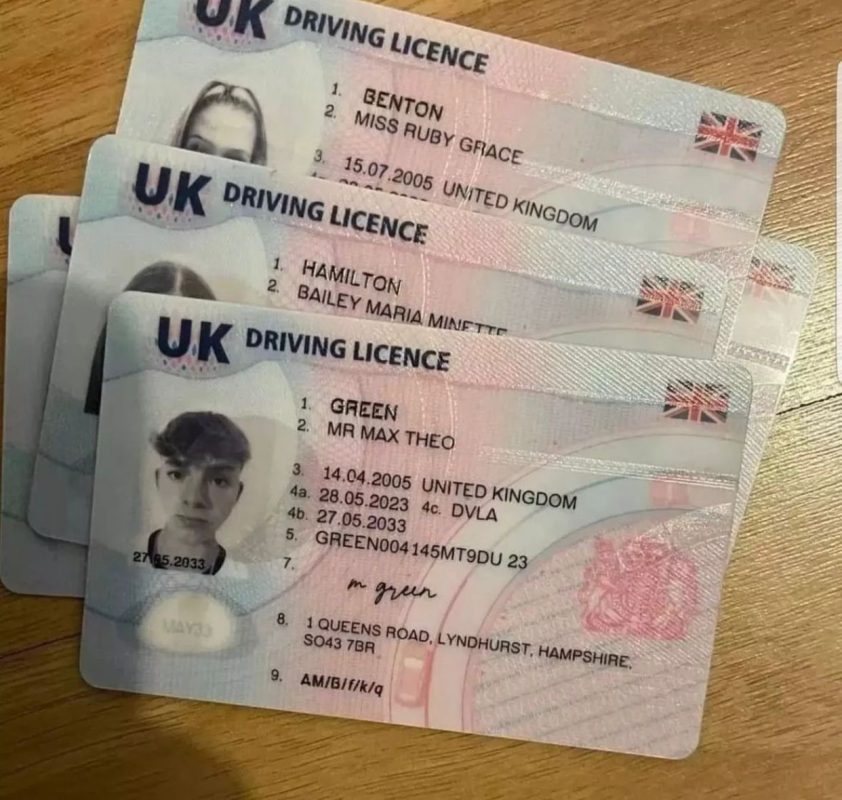
Comprehending UK Driving Licenses
The UK driving license is a main file that certifies an individual's capability to drive an automobile on public roads. The license signifies that the holder has passed the necessary tests and meets the necessary health and wellness standards. There are numerous types of licenses, catering to various sort of automobiles and driving scenarios.
Types of UK Driving Licenses
Provisional License: This is the initial step towards acquiring a complete driving license. A provisional license allows people to drive under specific limitations, generally needing the supervision of a knowledgeable driver.
Complete Car License: Once people pass the driving test, they are awarded a complete car license, allowing them to drive cars and small vans.
Bike License: This license allows the holder to run motorbikes, with different classifications based on the engine size and power of the motorcycle.
Bus and Lorry License: For individuals intending to drive bigger lorries, such as buses and trucks, a particular license should be gotten, which includes extra training and screening.
Specialized Licenses: There are likewise licenses for unique automobile classifications, consisting of agricultural vehicles and taxis.
The Licensing Process
Action 1: Obtain a Provisional License
The primary step in the licensing process is getting a provisionary license. This can be done online or through a paper application. Candidates should:
- Be at least 15 years and 9 months old.
- Provide valid recognition.
- Pay a charge (currently ₤ 34 for online applications and ₤ 43 for paper applications).
Action 2: Prepare for the Driving Test
After acquiring a provisionary license, the next step is to get ready for the driving test. This normally consists of:
- Driving Lessons: It is advisable to take lessons from a qualified driving trainer, who can assist learners on safe driving practices and help them get self-confidence on the roadway.
- Theory Test Preparation: The theory test assesses understanding in locations such as road signs, traffic laws, and threat perception. Numerous resources are available, consisting of apps and online simulations.
Step 3: Take the Theory Test
Candidates must pass the theory test before they can book a driving test. The theory test consists of multiple-choice questions and a threat understanding section. This test is crucial for examining a driver's understanding of the rules and threats on the roadway.
Step 4: Take the Practical Driving Test
As soon as the theory test has actually been passed, individuals can book their useful driving test. The test evaluates driving abilities in real-world circumstances, including:
- Driving safely and with confidence on various kinds of roadways.
- Performing driving maneuvers (parking, reversing, etc).
- Following traffic laws.
Step 5: Obtain Your Full License
Upon effectively passing the practical driving test, prospects are released a full driving license. They need to look for a license upgrade, which usually takes place immediately as part of the driving test procedure.
License Renewal and Penalties
Driving licenses in the UK are normally valid up until the age of 70. After this age, licenses must be renewed every 3 years. It's important for drivers to keep their licenses updated, as failing to do so can result in legal penalties, such as fines or disqualification from driving.
FAQs about UK Driving Licenses
Q: How long does it require to get a driving license in the UK?A: The time frame differs based on individual aptitude and preparation. Generally, it can take a couple of months of lessons and practice to be ready for the tests. Q: Can I drive with a foreign license in the UK?A: Visitors can utilize their foreign licenses for a certain duration, normally approximately 12 months, depending upon the country of origin. However, if you end up being a local, you should exchange your foreign license for a UK license. Q: What takes place if I fail my driving test?A: If you do not pass your driving test, you can rebook
the test. It's helpful to take additional lessons before attempting again to attend to any shortcomings identified in the preliminary test. Q: Are there any age constraints for various driving licenses?A: Yes, the minimum age to get a provisional license is 17 for cars and 16 for
bikes. There are specific age requirements for bigger automobiles, such as buses
, which start at 18 or older. Q: Do I need to take an eye test for a driving license?A: While there is not an official eye test as part of the application procedure, candidates should satisfy certain vision standards
to be qualified for a driving license.
Navigating the UK driving license system can at first appear complex, but comprehending the different stages from acquiring a provisional license to attaining a complete driving
license makes the process more workable. Being notified about the requirements and steps included guarantees that prospective drivers are well-prepared to delight in the independence and freedom that comes with driving in the UK. Whether you are a newbie to driving or a skilled driver adjusting to UK laws, keeping up with the licensing regulations is essential for a safe and legal driving experience.