Sally Raymond
Mục blog của Sally Raymond
Vehicle Lock Repairs: Ensuring Safety and Security
In a world where vehicle theft and break-ins prevail, making sure that a vehicle's locking mechanism is working smoothly is essential for both safety and security. Vehicle lock repairs include a series of fixes and upkeep procedures that resolve problems associated to locks and ignition systems. This post offers a summary of the types of vehicle lock issues, signs of malfunction, repair choices, and preventative procedures while also addressing some frequently asked questions.
Comprehending Vehicle Lock Mechanisms
Vehicle locks employ numerous systems that differ amongst makes and models. The primary components of a vehicle lock system usually include:
- Key Cylinder: The part where the key is placed.
- Locking Bolt: Engages and secures the door when locked.
- Latch Assembly: Holds the door closed but can be disengaged when unlocking.
- Ignition Lock: Secures the ignition system of the vehicle.
Each of these parts can be prone to use and tear or unanticipated failure, leading to lock-related issues.
| Part | Description | Common Issues |
|---|---|---|
| Key Cylinder | Accepts the key to operate the lock | Key jams, problem turning the key |
| Locking Bolt | System that secures the door when locked | Bolt misalignment, stuck bolt |
| Lock Assembly | Engages and disengages to protect the door | Broken latch, incorrect function |
| Ignition Lock | Secures the ignition to begin the vehicle | Key will not turn, ignition failure |
Indications of Lock Malfunction
Vehicle owners ought to be alert for signs that their lock systems may be failing. Some common indications of lock issues consist of:
- Difficulty Inserting Key: If the key does not quickly suit the cylinder, there might be particles inside or wear taking place within the cylinder.
- Stuck Key: A key that gets stuck while turning can indicate internal damage or misalignment.
- Locked Door Will Not Unlock: If a door declines to unlock, it might be due to a malfunctioning locking bolt or latch.
- Uncommon Noises: Grinding or clicking sounds while attempting to lock or unlock the door can show structural problems in the locking system.
- Faulty Remote: If the key fob is not responding, the problem might lie not just with the fob's battery however might likewise point towards concerns in the lock receiver in the vehicle.
Repairing Vehicle Locks
Handling a vehicle lock problem can be complicated, and while some repairs can be dealt with in your home, others may need expert support.
DIY Repairs
Some small lock issues can be repaired without the help of a mechanic. Here are a few examples:
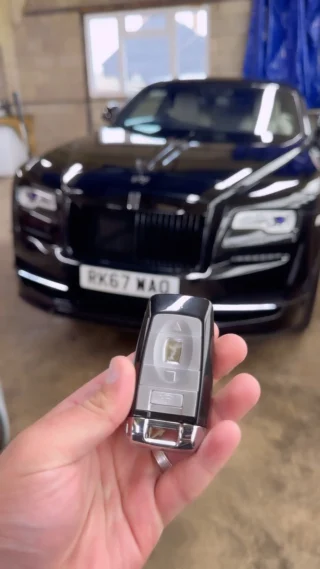
- Lubrication: Regularly use a silicone-based lubricant to key cylinders and locks to avoid sticking.
- Tidy the Key: Dirt on the key can trigger jamming in the key cylinder. Clean keys with rubbing alcohol to eliminate dirt or residue.
- Inspect the Battery in the Remote: For remote key fobs, confirm that the battery is practical by checking it with another vehicle or having it changed.
Professional Repairs
For more significant problems, expert repairs might be required. Typical professional services include:
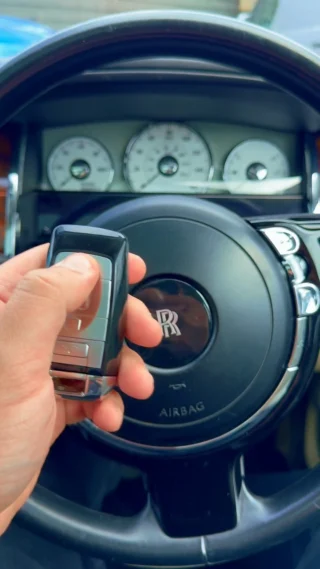
- Key Replacement: If the key is lost or harmed, a locksmith can create a new key or rekey the lock.
- Reprogramming Key Fobs: Sometimes the remote needs to be reprogrammed to sync with the vehicle's receiver.
- Comprehensive Lock Replacement: In extreme cases, whole locking systems might require replacement due to damage or use.
Preventative Measures
To extend the lifespan of vehicle locks and avoid issues, consider the following preventative procedures:
- Regular Maintenance: Periodic examination and lubrication of locks can avoid future breakdowns.
- Prevent Excessive Force: Handling keys and doors gently can reduce endure locking mechanisms.
- Instantly Address Issues: If problems arise, resolving them quickly can avoid more damage and more pricey repairs.
Frequently Asked Questions
Q: How do I understand if my vehicle lock needs repair?A: Look for signs such as difficulty placing the key, weird noises, or the door failing to lock or unlock. Q: Can I repair a stuck lock myself?A: Simple issues such as lubrication might
be dealt with in the house; nevertheless, complicated issues typically need professionals. Q: How much does it cost to repair a vehicle lock?A: Costs can vary extensively based upon the problem and vehicle type. Fundamental repairs might begin around ₤ 50, whereas lock replacements can cost numerous hundred dollars. Q: What need to I do if I lose my car key?A: Contact a locksmith or your dealer for a replacement key. They might require your vehicle recognition number (VIN )to create a brand-new key. Q: Are aftermarket keys as dependable as original keys?A: Aftermarket keys can be less reputable than OEM keys, as they might not stick to the very same specs and quality requirements.
Keeping the stability of a vehicle's lock system is
crucial for general security and safety. By recognizing the indications of a malfunction, performing suitable repairs, and implementing preventative steps, vehicle owners can prevent the trouble and possible threats connected with lock problems. Ensuring that locks work appropriately improves not only the vehicle's safety however also the assurance of its owner.