Lyda Knotts
Mục blog của Lyda Knotts
Understanding Treadmills: Types, Benefits, and Considerations
Treadmills have actually become an essential part of fitness culture, offering a hassle-free option for people seeking to improve their cardiovascular fitness without the requirement for outside spaces or weather condition considerations. With a range of functions and models offered, potential buyers need to be knowledgeable to make the very best decision. This post aims to offer a thorough summary of treadmills, consisting of the different types, benefits, and factors to think about when buying one.
The Different Types of Treadmills
1. Manual Treadmills
Manual treadmills are powered by the user instead of an electric motor. They need no electrical power and generally include an easy design with less moving parts.
Benefits of Manual Treadmills:
- Cost-effective
- Portable and lightweight
- No dependence on electricity
Downsides:
- Limited functions
- Generally lack incline alternatives
2. Motorized Treadmills
Motorized treadmills are the most common type, powered by an electric motor. They usually provide numerous features such as programmable workout regimens, adjustable slopes, and higher weight capacities.
Advantages of Motorized Treadmills:
- Smooth operation and constant traction
- Versatile with innovative features for diverse exercises
- Alternatives for slope and decrease settings
Disadvantages:
- Higher cost compared to manual treadmills
- Require electricity and might increase electric bills
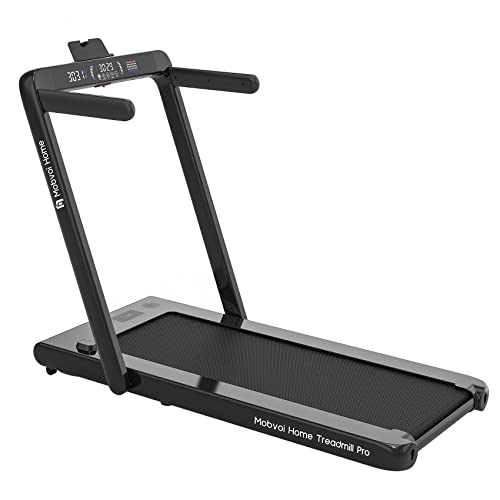
3. Folding Treadmills
Folding treadmills are created for simple storage, making them ideal for those with limited area.
Advantages of Folding Treadmills:
- Space-saving design
- Easy to transport and keep
- Ideal for Home Treadmills Uk (Tnp.Raghucollegeofpharmacy.Com) use where area is at a premium
Downsides:
- Typically may have a smaller running surface
- Weight limitation may be lower than non-folding designs
4. Industrial Treadmills
These treadmills are constructed for durability and efficiency, usually discovered in fitness centers and physical fitness centers. They are developed for high use rates and included sophisticated features.
Advantages of Commercial Treadmills:
- Extremely long lasting and frequently supported by warranties
- Full variety of features, including advanced training programs
- Ideal for heavy-duty exercises
Downsides:
- Higher cost point
- May be too big or heavy for home usage
| Kind of Treadmill | Power Source | Typical Features | Ideal For |
|---|---|---|---|
| Handbook Treadmill | None | Fundamental workout metrics | Minimalist users |
| Motorized Treadmill | Electric | Programmable workouts, slope options | General fitness lovers |
| Folding Treadmill | Electric | Space-saving design | Home users with minimal space |
| Commercial Treadmill | Electric | Advanced training programs | Gym centers |
Benefits of Using a Treadmill
Treadmills use various benefits for people looking to boost their fitness levels or preserve an athletic routine.
1. Convenience
Owning a treadmill enables users to work out at their own schedule, getting rid of dependence on climate condition. It supplies versatility, as exercises can happen day or night.
2. Adjustable Workouts
Lots of modern-day treadmills feature adjustable programs to accommodate newbies and experienced athletes. Users can change speed, slope, and exercise duration to optimize the effectiveness of their sessions.
3. Tracking Progress
Many treadmills come geared up with digital screens that tape important data such as range, speed, calories burned, and heart rate. Monitoring this information helps users track their physical fitness progress with time.
4. Decreased Impact
Treadmills typically offer a cushioned surface that can decrease joint impact compared to operating on difficult outside surfaces, making them an appropriate alternative for people with joint concerns or those recovering from injuries.
5. Variety of Workouts
Users can participate in numerous exercises on a treadmill, from walking and running to interval training and speed work. Some machines even use integrated courses that replicate outside surfaces.
Factors to consider When Buying a Treadmill
When acquiring a treadmill, people ought to think about several aspects to guarantee they make a notified choice.
1. Area Requirements
- Measure Available Space: Before selecting a design, step where the treadmill will be positioned to ensure it fits easily.
- Consider Folding Options: If space is an issue, think about buying a folding treadmill for convenient storage.
2. User Weight and Height
- Check the weight capacity of the treadmill to accommodate its designated users.
- Ensure that the belt length is suitable for users' strides, especially for taller individuals.
3. Features and Technology
- Evaluate whether advanced features like heart rate screens, Bluetooth connection, and integrated training programs are very important for the designated user.
- Investigate user-friendly user interfaces and item evaluations on display screen quality.
4. Guarantee and Customer Support
- Review warranty options to understand what is covered and for for how long. Some models might use extended warranties or assurances for parts.
- Assess the brand name's track record for customer assistance in case of malfunctions or concerns.
5. Price Range
- Consider your spending plan however remember that more affordable models might do not have features, toughness, or service warranty assistance.
- Check out financing options if buying a higher-end design.
Frequently asked questions About Treadmills
1. What is the average life expectancy of a treadmill?
Generally, a premium treadmill can last in between 7 to 12 years, depending on use, maintenance, and develop quality.
2. What is the best treadmill brand?
Popular brand names consist of NordicTrack, Sole Fitness, Precor, and LifeSpan, each understood for their quality and consumer complete satisfaction.
3. Can I use a treadmill for walking?
Yes, treadmills are perfect for walking, jogging, or running, making them flexible for users of all physical fitness levels.
4. How often should I service my treadmill?
Regular upkeep is normally suggested every 6 months to make sure optimum performance and longevity.
5. Is it fine to run on a treadmill every day?
While working on a treadmill daily is appropriate for some, it's smart to incorporate rest days or alternate exercises to prevent possible overuse injuries.
In conclusion, treadmills remain a popular option for fitness enthusiasts looking for flexibility and customizability in their workout regimens. By comprehending the numerous types available, their advantages, and key elements to think about during purchase, users can make an informed decision that aligns with their fitness objectives and lifestyles.