Austin Lytle
Mục blog của Austin Lytle
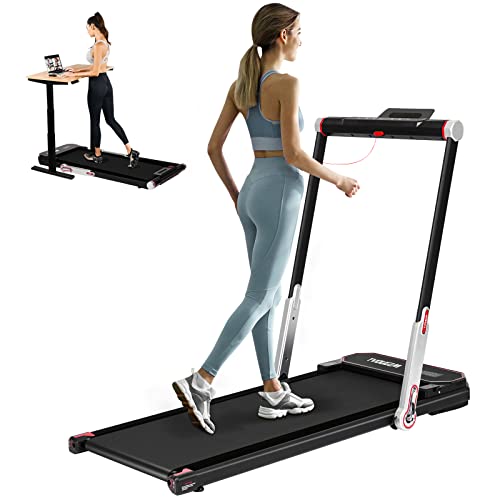
The Treadmill Machine: An Educational Guide to Your Fitness Journey
The treadmill machine has become a vital tool in modern-day physical fitness regimes. Whether one is an experienced professional athlete or a newbie trying to get into shape, a treadmill offers a convenient and effective method to attain physical fitness goals. This article will check out the various elements of treadmill machines, their advantages, various types readily available, and guidelines for reliable usage.
Advantages of Using a Treadmill
Treadmills offer many physical and psychological health advantages that add to general well-being. Some crucial advantages include:
- Cardiovascular Health: Regular use of a treadmill helps in improving heart health by strengthening the heart muscles and enhancing blood circulation.
- Weight reduction: By participating in constant cardiovascular workouts, individuals can burn considerable calories, assisting in weight-loss and management.
- Joint-Friendly Exercise: Treadmills supply a regulated environment that allows users to change speeds and slopes, making it simpler on the joints than running on tough surface areas.
- Convenience: Treadmills are particularly useful for those who live in locations with adverse climate condition, as they can be used inside your home year-round.
- Adjustable Workouts: Many contemporary treadmills come geared up with programs and functions that allow users to personalize their workouts for differing intensity levels.
Health Benefits Overview
| Benefit | Description |
|---|---|
| Cardiovascular Improvement | Enhances the heart, improving general blood circulation and endurance. |
| Weight Management | Efficient calorie burning causing weight loss. |
| Injury Prevention | Lowered risk of injury due to adjustable surface areas and controlled environments. |
| Motivation and Consistency | Provides an indoor choice that encourages routine exercise despite weather condition conditions. |
| Improved Mood | Regular exercise adds to the release of endorphins, enhancing mental well-being. |
Kinds Of Treadmill Machines
While treadmills might appear straightforward, different types accommodate different needs and choices. Here are the primary categories:
Manual Treadmills: These need no power and are propelled by the user's effort. They typically take up less area and are quieter however can provide a steeper learning curve for newbies.
Electric or Motorized Treadmills: The most typical type, they include automated programs for speed and slope. They are usually more versatile however need electricity to run.
Folding Treadmills: Designed for those with minimal area, folding treadmills can be collapsed and saved away when not in usage, making them ideal for small apartment or condos.
Slope Treadmills: These machines provide the capability to raise the slope, replicating hill runs for a more effective workout.
Commercial Treadmills: Built for heavy usage, these machines are generally discovered in health clubs and health clubs and feature a range of features and sturdiness.
Contrast of Treadmill Types
| Type | Power Source | Best For | Space Considerations |
|---|---|---|---|
| Handbook | None | Novices, budget-conscious users | Low |
| Electric | Plug-in | Differed intensity workouts | Medium to High |
| Folding | Plug-in | Minimal area users | Low |
| Incline | Plug-in | Extreme cardio and strength | Medium to High |
| Commercial | Plug-in | Frequent gym use | High |
Tips for Effective Treadmill Use
To maximize the advantages of a treadmill routine, here are a number of suggestions to think about:
- Warm-Up: Start every exercise with a 5-10 minute warm-up at a sluggish pace to prepare the body.
- Posture: Maintain an upright posture, keeping shoulders back and head up to avoid strain and injury.
- Period Training: Incorporate various speeds during workouts (high-interval training) to enhance cardiovascular physical fitness and burn calories.
- Use Inclines: To even more boost exercises, include incline alternatives to mimic hill running, which builds strength in the legs.
- Stay Hydrated: Keep a water bottle close by, guaranteeing to consume before, throughout, and after exercises to stay hydrated.
Advised Treadmill Workouts
- Newbie's Walk: Start at a moderate rate for 20-30 minutes, gradually including speed as convenience increases.
- Hill Intervals: Alternate between slope and flat surface areas, running uphill for 1 minute followed by walking for 2 minutes.
- Long-Distance Run: Target a constant speed for a prolonged period (40-60 minutes), focusing on endurance.
- Speed Training: Change speeds every minute, starting from a light jog to brief bursts of sprinting to enhance speed and cardiovascular health.
Frequently asked questions
Q1: How often should I use a treadmill for efficient results?
A1: It is typically advised to utilize a treadmill a minimum of three times weekly for 30-60 minutes to see significant outcomes.
Q2: Can I drop weight utilizing a treadmill?
A2: Yes, with a mix of routine workout, a well balanced diet, and portion control, using a treadmill can contribute greatly to weight-loss.
Q3: Do I need to warm-up before utilizing the treadmill?
A3: Yes, heating up is important to prepare your body, lower the threat of injury, and enhance workout performance.
Q4: Is working on a treadmill as efficient as running outdoors?
A4: Both have advantages, but a treadmill permits regulated environments, preventing weather-related disturbances, and may have less effect on the joints.
Q5: Can a treadmill aid with bodybuilding?
A5: While primarily a cardiovascular tool, adjusting inclines can help engage and enhance particular leg muscles.
Treadmill (Semdinlitesisat.Eskisehirgocukduzeltme.Com) machines are versatile and can be an essential part of a fitness journey. By understanding the different types, benefits, and effective use strategies, individuals can tap into the full capacity of this equipment. Whether intending for enhanced cardio health, weight management, or boosted mental well-being, a treadmill functions as a dependable companion on the road to physical fitness.
