NATURECERT ACADEMY – Trusted Online Certification Learning
Site blog
The Best Home Treadmills in the UK: A Comprehensive Guide
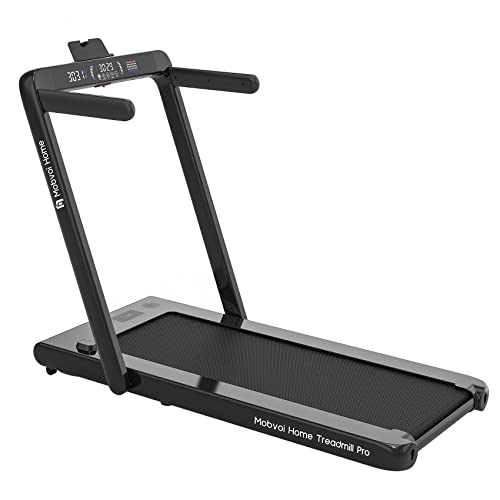
Worldwide of fitness, having the right equipment can considerably enhance one's workout experience. Treadmills are among the most popular pieces of home gym devices, especially for individuals aiming to keep their cardiovascular health and total fitness. In the UK, the variety of treadmills available can be overwhelming. This short article looks for to supply an informative guide to the Best Home Treadmill Uk home treadmills readily available in the UK, considering elements such as functions, price, toughness, and user experience.
Why Choose a Treadmill for Home Use?
A treadmill offers a practical and effective method to achieve fitness objectives from the convenience of one's home. Here are some of the key advantages of using a treadmill:
- Convenience: Exercise at any time without going to a gym.
- Weather-Proof: No requirement to stress over rain, snow, or severe heat.
- Flexibility: Adjust speed, incline, and workout programs to match personal choices.
- User-Friendly: Many designs include built-in tracking systems for heart rate, range, and calories burned.
Key Features to Consider When Choosing a Treadmill
Before diving into the very best alternatives available in the UK, it's important to understand what features to consider when acquiring a home treadmill:
- Motor Power: Typically measured in horsepower (HP), a more effective motor permits a smoother running experience and can support numerous speeds.
- Running Surface: A bigger running surface accommodates longer strides and boosts convenience.
- Foldability: Consider whether the treadmill can be easily stored away if space is restricted.
- Cushioning: Quality cushioning minimizes effect on joints, making running more comfortable.
- Integrated Workouts: Some treadmills include pre-set exercises to keep workouts varied and interesting.
- Connectivity Features: Bluetooth connection and app integration permit users to track fitness metrics and take pleasure in multimedia during workouts.
The Very Best Home Treadmills in the UK
Here's a list of some of the top-rated home treadmills in the UK, in addition to their essential specifications:
| Treadmill Model | Motor Power (HP) | Running Surface (L x W) | Foldable | Rate Range (₤) |
|---|---|---|---|---|
| NordicTrack T 6.5 S | 2.6 HP | 152 x 51 cm | Yes | 649 - 799 |
| ProForm 505 CST | 2.5 HP | 140 x 51 cm | Yes | 499 - 599 |
| JLL T350 Fitness Treadmill | 2.5 HP | 120 x 41 cm | Yes | 399 - 499 |
| Reebok Jet 100 | 2.0 HP | 130 x 41 cm | Yes | 499 - 599 |
| Horizon Fitness T101 | 2.5 HP | 140 x 46 cm | Yes | 599 - 709 |
1. NordicTrack T 6.5 S
The NordicTrack T 6.5 S is a well-rounded treadmill packed with functions like a powerful motor and a large running surface. It consists of a one-month iFit membership for access to a library of workouts and training sessions.
2. ProForm 505 CST
Providing a good motor power and cushioned running deck, the ProForm 505 CST is an exceptional choice for beginners. Its space-saving style and built-in exercises improve user experience and versatility.
3. JLL T350 Fitness Treadmill
Understood for its price, the JLL T350 provides essential features without breaking the bank. With a solid motor and a compact design, this treadmill is perfect for those with minimal area.
4. Reebok Jet 100
The Reebok Jet 100 features a robust style and user-friendly user interface. With a variety of incline settings and speed options, it's best for modifying exercises based on physical fitness levels.
5. Horizon Fitness T101
With a track record for sturdiness, the Horizon Fitness T101 incorporates advanced technology for fitness tracking and has a large running surface, making it ideal for users of all sizes.
Upkeep Tips for Treadmills
Preserving a treadmill is vital to prolong its lifespan and maintain efficiency levels. Here are some useful suggestions for treadmill upkeep:
- Regular Cleaning: Wipe down the treadmill after each usage to prevent dust accumulation and damage.
- Inspect the Belt: Ensure the running belt is aligned and doesn't require lubrication. Frequently check for wear and tear.
- Check Moving Parts: Regularly examine bolts, nuts, and other moving parts for tightness and wear.
- Keep it Dry: Avoid direct exposure to wetness to prevent rusting and electrical problems.
Frequently Asked Questions (FAQs)
1. Are treadmills appropriate for novices?
Yes, numerous treadmills are designed with adjustable settings and integrated exercises that deal with all fitness levels, making them ideal for newbies.
2. How much area do I require for a treadmill?
Depending on the design, it is a good idea to have at least 2m x 1m of clear space to accommodate movement and security.
3. How often should I lube my treadmill?
It is recommended to oil the treadmill belt every 3 months or as needed based upon usage frequency.
4. Do I need an unique mat for my treadmill?
Using a treadmill mat can help secure your flooring from scratches and absorb sound while supplying stability to the treadmill.
5. Can I watch TV or listen to music while using a treadmill?
Yes, numerous modern treadmills included speakers and connection options that permit users to delight in music and even view programs while working out.
Choosing the very best home treadmill in the UK involves evaluating individual physical fitness goals, readily available area, and spending plan. The models discussed in this post offer a series of alternatives to match various needs. Buying a quality treadmill is an action towards improving one's fitness journey and maintaining a healthy way of life. As more individuals adapt to home workouts, having the ideal treadmill can make all the distinction in remaining inspired and reaching fitness goals.

Comprehensive Guide to Car Key Replacement Companies
Car keys are necessary for operating lorries, and losing or damaging them can turn an easy hassle into a difficult ordeal. The need for trusted car key replacement services is paramount, particularly as keys become significantly advanced with technology. This short article will supply detailed insights into car key replacement business, their services, and assist you browse the choices readily available.
Understanding the Need for Car Key Replacement
Car owners might require a key replacement for numerous reasons, including:
- Lost Keys: One of the most common problems; keys can be misplaced at any time.
- Damaged Keys: Wear and tear can harm keys, making them unusable.
- Broken Key Fobs: Remote keys and fobs can malfunction or break.
- Key Cutting for Spare Keys: It's suggested to have spare keys for emergency situations.
- Transponder Key Programming: Modern vehicles typically utilize transponder keys that need programming upon replacement.
Elements to Consider When Choosing a Car Key Replacement Company
When selecting a car key replacement company, numerous critical factors must be thought about:
- Reputation: Look for client reviews and reviews.
- Experience: Consider the length of time the company has actually been in business and their experience with different car designs.
- Services Offered: Ensure they can handle your specific key type (standard, transponder, smart key).
- Cost: Obtain multiple quotes to make sure competitive prices.
- Schedule: Check if the company offers 24/7 services, particularly in emergency situations.
- Areas Served: Ensure the company can service your location.
Table: Key Features of Reputable Car Key Replacement Companies
| Function | Description |
|---|---|
| Years of Experience | Look for a company with a tested performance history. |
| Kinds of Keys | Guarantee they handle numerous keys (mechanical, fobs). |
| Mobile Services | Offers on-site services for benefit. |
| Pricing Transparency | Clear prices without covert fees. |
| Service warranty on Work | Service warranty guarantees customer complete satisfaction and trust. |
| Consumer Support | Accessible and responsive assistance channels. |
Types of Key Replacement Services Offered
Car key replacement business use a variety of services to satisfy the varied needs of car owners. Here's a breakdown:
1. Traditional Key Replacement
- Key Cutting: Replacing straightforward mechanical keys.
- Spare Key Production: Producing duplicate keys for backup.
2. Key Fob Replacement
- Battery Replacement: For malfunctioning fobs.
- Programming: Reprogramming fobs to match the vehicle.
3. Transponder Key Services
- New Key Cutting and Programming: For contemporary lorries equipped with transponder technology.
- Rekeying: Modifying existing keys for added security.
4. Smart Key Replacement
- Keyless Entry System: Replacing smart keys that enable remote beginning and gain access to.
- Remote Programming: Configuring new smart keys to sync with car systems.
5. Emergency Services
- Lockout Services: Helping motorists access their lorries when locked out.
- 24/7 Availability: Many companies provide round-the-clock services.
Tips for Efficient Car Key Replacement
To guarantee a smooth and effective key replacement experience, follow these tips:
- Identify Key Type: Know whether you need a mechanical, transponder, or smart key.
- Gather Vehicle Information: Have your Vehicle Identification Number (VIN), make, and model ready.
- Think About Duplicate Keys: Create extra keys to prevent future trouble.
- Research Companies: Look at online evaluations and get recommendations from buddies or family.
- Inquire about Technology: Confirm that the company uses contemporary tools for key programming and cutting.
Frequently Asked Questions (FAQs)
1. The length of time does it require to replace a car key?
The replacement time can differ significantly based upon key type:
- Traditional keys: Usually done within minutes.
- Transponder and smart keys: May take 30 minutes to an hour.
2. Just how much does it cost to change a car key?
Costs can vary commonly depending on several aspects, consisting of:
- Key type: Mechanical keys are less expensive than transponder or smart keys.
- Programming required: Complex keys might sustain higher costs.
- Place: Pricing can differ based on geographical location.
3. Can I replace my car key myself?
While some car keys can be cut easily, programming transponder and smart keys generally needs professional devices. DIY approaches may fail and can potentially harm your vehicle's locking system.
4. What should I do if my key breaks inside the ignition lock?
If your key breaks inside the ignition lock, prevent using force to remove it. Contact a professional locksmith who specializes in car key replacements for safe extraction.

5. Do all car key replacement business offer mobile services?
Not all business supply mobile services. When searching for key replacement services, verify that business offers on-site support if you require it.
In summary, car key replacement services are essential for keeping vehicle ease of access and security. When searching for a trustworthy car key replacement company, it is important to think about different factors including track record, services used, experience, and rates. By comprehending the kinds of keys and services available, car key replacement service owners can make educated decisions during emergency situations or routine replacements. Keep in mind to keep spares and know a reliable company to guarantee comfort when it pertains to accessing your vehicle.
The Running Machine: A Comprehensive Guide for Fitness Enthusiasts in the UK
In recent years, the appeal of running machines, frequently understood as treadmills, has risen significantly in the UK. With the increase of home exercises and a growing focus on personal fitness, these machines have ended up being an essential component of lots of homes. This article checks out the different elements of running machines-- ranging from their advantages and types to purchasing tips and upkeep-- and intends to gear up readers with the necessary knowledge to make educated choices concerning their fitness devices.
Benefits of Running Machines
Running machines provide myriad advantages for individuals of all fitness levels. Whether one is a skilled runner or a beginner, treadmills supply different advantages, which consist of:
Convenience:
Treadmills allow for indoor running, untouched by weather or time of day. This benefit suggests that users can adhere to their physical fitness routines year-round.
Personalized Workouts:
Most modern running machines come geared up with functions that allow users to adjust speed, slope, and configured workouts, enabling tailored fitness experiences.
Injury Prevention:
Compared to outside running, treadmills frequently include cushioned surfaces, which can minimize the effect on joints and lower the risk of injuries.
Tracking Progress:
Many running machines have integrated screens that track distance, speed, calories burned, and heart rate, supplying users with valuable feedback on their development.
Multi-Functional Use:
Many treadmills have the capability for walking, jogging, and running, making them flexible machines suitable for all physical fitness levels.
Kinds Of Running Machines
When considering a running machine, it's essential to comprehend the different types available on the marketplace. Below is a list of the most typical types:
Manual Treadmills:
These treadmills do not have a motor and rely on the user's initiative to create the motion. They are typically more cost effective but need more effort to use.
Motorized Treadmills:
Motorized treadmills are the most popular option and feature different functions, consisting of numerous speed settings and programmable workouts.
Collapsible Treadmills:
Ideal for small home, these machines can be folded for storage when not in usage. They normally include fewer bells and whistles due to their compact nature.
Business Treadmills:
Commonly utilized in fitness centers and fitness centers, these treadmills are developed for heavy use and often featured sophisticated functions and greater weight limits.
Smart Treadmills:
Equipped with connectivity functions, smart treadmills can sync with fitness apps and sites, supplying users real-time information and individualized exercise plans.
Buying a Running Machine in the UK
When choosing a running machine, it's important to keep various consider mind to make sure that the right choice is made. Below is a list of considerations:
Budget:
Determine how much you are ready to spend. Treadmills can vary considerably in rate, from spending plan designs to high-end business machines.
Space Availability:
Measure the area where you prepare to put the treadmill to ensure it fits easily, and consider collapsible models if area is restricted.
Functions:
Look for features that suit your workout style, such as adjustable inclines, integrated exercise programs, heart rate displays, and Bluetooth connectivity.
Guarantee and Support:
Opt for manufacturers that use guarantees and reliable client support. A great service warranty can safeguard your financial investment.
User Reviews:
Reading customer reviews can supply insights into the efficiency and dependability of various models.
Table 1: Comparison of Treadmill Types
| treadmill home [Git.privateger.me] Type | Price Range | Features | Best For |
|---|---|---|---|
| Handbook Treadmills | ₤ 100 - ₤ 400 | Standard style, no motor | Budget-conscious users |
| Motorized Treadmills | ₤ 300 - ₤ 2000 | Adjustable speed, incline, numerous programs | Routine runners |
| Foldable Treadmills | ₤ 150 - ₤ 800 | Compact design | Restricted space |
| Commercial Treadmills | ₤ 800 - ₤ 5000 | High sturdiness, advanced functions | Heavy gym use |
| Smart Treadmills | ₤ 600 - ₤ 3000 | Connection, virtual exercises | Tech-savvy users |
Maintenance of Running Machines
Utilizing a running machine is simply one part of the formula; preserving it is equally crucial for longevity and performance. Below are vital maintenance suggestions:
Regular Cleaning:
Dust and sweat can collect on the machine. Routinely wipe down surfaces to prevent accumulation.
Lubrication:
Ensure that the treadmill belt is effectively oiled to decrease friction and wear. Speak with the maker's recommendations for maintenance schedules.
Check the Belt Alignment:
Occasionally, the running belt may require positioning. This can normally be adjusted with the offered tools and guidelines.
Check Wiring and Components:
Periodically inspect for any indications of wear in electrical elements. If something appears wrong, seek advice from a professional specialist.
Follow the User Manual:
Keep the user handbook convenient and follow any specific suggestions for maintenance and care.
Frequently Asked Questions (FAQs)
Q1: Can I drop weight by utilizing a running machine?A1: Yes, utilizing a running machine can add to weight reduction as it efficiently burns calories when integrated with a balanced diet plan. Q2: How typically ought to I use my treadmill?A2: It is
a good idea to utilize the treadmill a minimum of three to five times a week, depending upon your fitness objectives. Q3: Are running machines suitable for beginners?A3: Yes, running machines allow newbies to
customize their workouts and start at a comfy pace. Q4: What is the lifespan of a treadmill?A4: The typical life-span of a treadmill is around 10 years, though this can differ depending upon use and maintenance. Q5: Can a treadmill be utilized for walking?A5: Absolutely! Most treadmills are developed for both walking and running, making them versatile workout machines.
Running machines use an effective, versatile, and convenient way to keep fitness and health. With an assortment of types customized to different requirements, purchasers can find a treadmill that
suits their way of life perfectly. Comprehending the advantages, functions, and essential upkeep of these machines arms users with the knowledge required to boost their workout experience. Whether one intends to slim down, improve cardiovascular health, or simply stay active, incorporating a running machine into a fitness program is a step toward accomplishing those objectives.
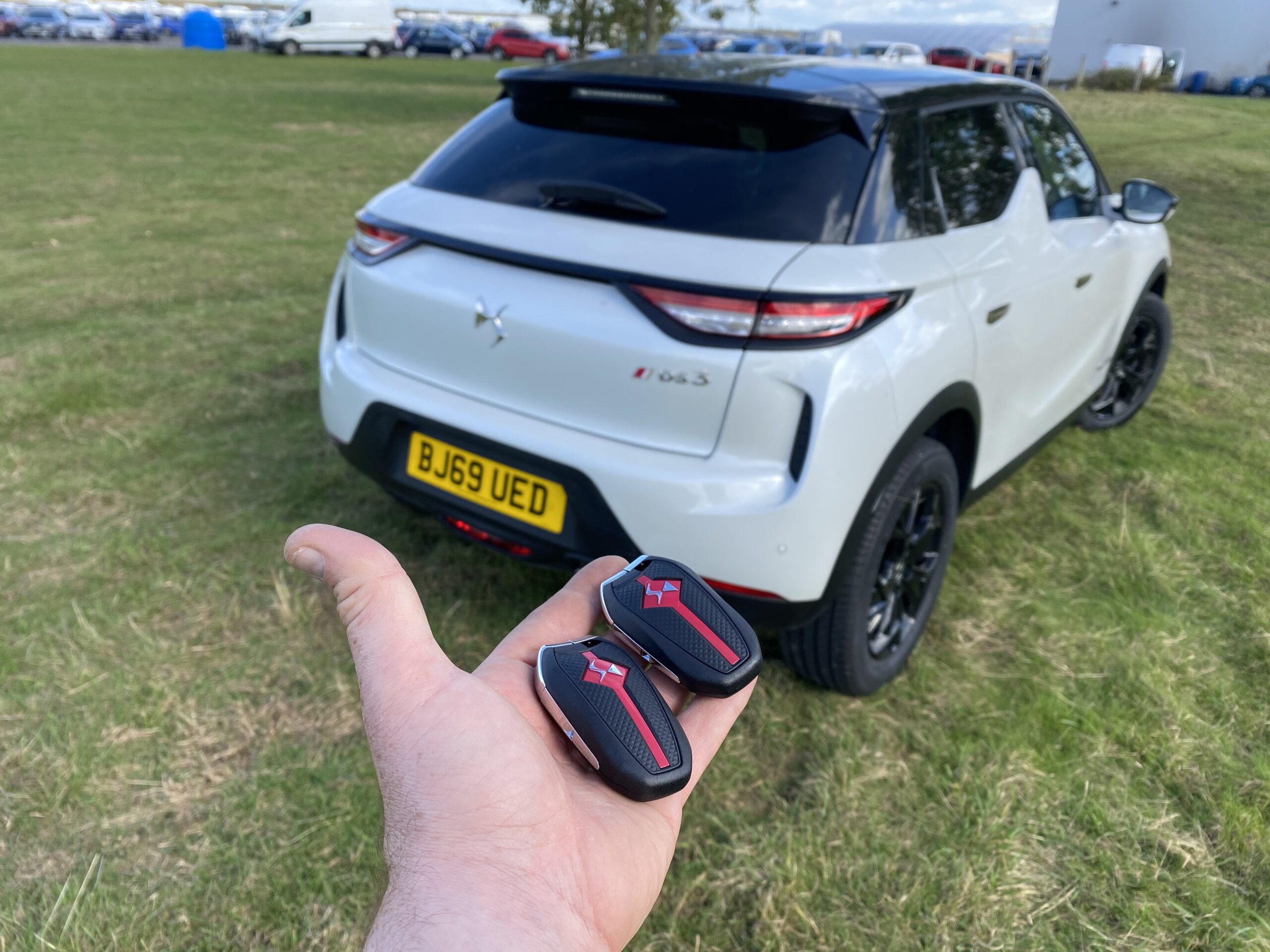
Lost Car Keys in Ampthill: What to Do Next
Losing car keys is an all-too-common concern that can take place to anyone, at any time. Whether due to a hectic lifestyle, diversions, or abrupt forgetfulness, the situation can provoke disappointment and stress and anxiety. For citizens of Ampthill, a captivating town in Bedfordshire, the trouble of lost car keys can be intensified by regional logistics, offered services, and understanding about services. This post aims to direct people experiencing this dilemma through the essential steps to take when they realize they've lost their car keys, along with a set of FAQs that resolve common issues.
Immediate Steps to Take
Stay Calm: This is the most essential first action. Panicking can cloud your judgment and prevent efficient problem-solving.
Retrace Your Steps: Think about where you last used your keys. Here are some typical places to check:
- Your home (living room, kitchen area, or bedroom)
- Your office or office
- Shopping bags or jackets
- Car door locks or ignition
Use Spare Keys If Available: If you have a spare key, now is the time to use it. If not, think about the following alternatives.
Ask for Help: Contact member of the family or friends who might help you in your search. Fresh perspectives are often more effective in finding lost items.
Finding Alternative Solutions
Unfortunately, there may be circumstances when keys are irretrievably lost or harmed. In such scenarios, you have a number of options to consider:
1. Contact a Locksmith
Working with a regional locksmith is among the most typical solutions in Ampthill. Professional locksmiths have specialized understanding and tools to help open your lorry and, if essential, create a brand-new key. Here's what you can expect:
- 24/7 Availability: Many local locksmiths are readily available around the clock for emergency situations.
- Expertise with Various Car Models: Most locksmiths can deal with both older designs and advanced keyless entry systems.
- Cost Considerations: Fees differ based upon the complexity of the key and the time of day, so it's suggested to request a quote ahead of time.
2. Go To a Car Dealership
If your car keys are lost or taken, your car dealership might have the ability to provide you with a replacement. Here's a brief introduction of this alternative:
- Vin Verification: You will likely require to offer your Vehicle Identification Number (VIN) to the car dealership for verification.
- Cost: Expect dealership replacements to be more expensive than those from locksmiths, especially for modern keys that require programming.
- Timeline: Replacing a key via a car dealership might take longer than getting a locksmith due to the ordering of particular parts.
3. Consider Mobile Key Replacement Services
In current years, the rise of mobile key replacement services has supplied convenience for car owners. Here are some features of such services:
- On-Site Replacement: Professionals come straight to your location, getting rid of the need to tow your automobile.
- Advanced Technology: Many mobile services make use of sophisticated tools for key cutting and programming on-site.
4. Utilize a Key Finder Device in the Future
To prevent future incidents, think about buying a key finder. These are little devices that can be attached to keychains, enabling you to track their place by means of mobile phone applications.

Preventative Measures
Aside from purchasing a key finder device, there are a few general suggestions for preventing lost car keys, consisting of:
- Establish a Designated Spot: Always keep your car type in the same place when in the house.
- Routine Check: Develop a habit of checking for your keys before leaving home or your work environment.
- Emergency Situation Key Location: Consider leaving a spare with a trusted pal or relative for emergency situations.
Frequently Asked Questions (FAQs)
Q1: Can I get a new car key made if I've lost all keys?
Yes, it is possible to develop a brand-new car key without having any initial copies. You may require to go to a car key cutting ampthill dealer or a professional locksmith to acquire a replacement, as they can craft a key based on your car's VIN.
Q2: How long does it take to get a replacement key?
The time frame for acquiring a replacement key varies. A local locksmith might supply a key almost immediately, while dealers may take days depending upon the design and the producer's policies.
Q3: What should I do if my keys were stolen?
If you presume your keys were taken, it is a good idea to report it to the local authorities and your insurer. You should also consider altering the locks or reprogramming your car to protect against theft.
Q4: Are all car keys programmable?
Not all car keys are programmable. Traditional keys can be quickly cut from a pattern, while modern-day electronic keys require specific programming equipment. Always talk to your locksmith regarding your specific design.
Losing car keys in Ampthill can be a challenging experience, but understanding the right steps to take can ease the stress connected with finding services. From backtracking steps to calling locksmiths or car dealers, different options are offered to resolve this situation effectively. Additionally, implementing preventative measures can help minimize the danger of losing type in the future. Whether you're a veteran homeowner or new to the location, empowering oneself with understanding can make all the difference when navigating this typical inconvenience.
Obtaining Your Driving License Online: A Comprehensive Guide
In today's digital world, numerous essential services have actually transitioned online, consisting of the process to obtain a driving license. This short article provides a helpful introduction of the steps associated with acquiring a driving license online, the advantages it offers, and answers to frequently asked questions.
Understanding Online Driving License Services
The concept of acquiring a driving license online varies depending upon the area or country one resides in. Nevertheless, the process usually can be classified into three main phases:

Application Submission: The primary step includes filling out an online application form, where individuals can send their individual information.
Document Verification: Following the application submission, applicants need to publish needed documents. These typically include proof of identity, residency, and potentially medical certificates.
Tests and validade carta de condução Fees: Many jurisdictions require applicants to complete written tests and/or practical driving tests. Payment of relevant fees usually takes place during this stage.
Advantages of Getting a Driving License Online
Utilizing online services to obtain a driving license holds substantial advantages, including:
Convenience: Applicants can finish the needed steps from the convenience of their own home without waiting in long queues.
Time-Saving: Online applications often process much faster than standard approaches, reducing the total time to acquire a license.
Ease of access: Individuals with mobility concerns or those residing in remote locations can easily access services without the requirement to take a trip.
Tracking Applications: Online portals enable applicants to track the status of their application at any time.
Step-by-Step Guide to Obtain Your Driving License Online
1. Ensure Eligibility
Before continuing with an online application, verify you satisfy the eligibility requirements. Usually, this consists of:
- Being of legal age to drive in your jurisdiction (usually 16-18 years).
- Offering required recognition and residency confirmation.
2. Go To the Official Driving Authority Website
Navigating to the pertinent governmental website is crucial. Ensure that:
- It is the official site for the driving authority in your region.
- The site has security measures in location for data protection.
3. Total the Application Form
- Enter your individual details properly.
- Confirm all entries to prevent hold-ups.
4. Prepare Required Documents
Common documents that may be required consist of:
- Proof of Identity (e.g., passport, nationwide ID card)
- Proof of Residency (e.g., utility bill, lease contract)
- Social Security Number or comparable
- Medical Certification (if applicable)
5. Submit the Application and Pay the Fees
- Send your completed application online.
- Pay any required costs utilizing secure online payment approaches.
6. Set Up Necessary Tests
After your application is accepted, you may require to schedule:
- A composed or understanding test on driving guidelines and guidelines.
- An on-road driving test, depending upon regional requirements.
7. Get Your Driving License
When you have passed the tests, your driving license will either be provided digitally or sent by mail to your signed up address.
8. Follow Local Regulations
Always keep your license renewed and stick to all regional driving laws and guidelines.
Table: Overview of Online Driving License Process
| Action | Description | Requirements |
|---|---|---|
| 1. Make sure Eligibility | Inspect legal age and identification | ID proof, residency confirmation |
| 2. Official Website | Visit your regional driving authority's website | Access to the web |
| 3. Fill Application | Complete the application | Personal details |
| 4. Document Preparation | Gather necessary documents | Evidence listed above |
| 5. Submit & & Pay | Send type and fees | Online payment technique |
| 6. Set up Tests | Book written or driving tests | Availability at local testing centers |
| 7. Get License | Get digital or physical driving license | Passed all needed tests |
| 8. Follow Regulations | Keep the license restored and comply with laws | Adherence to local driving laws |
Frequently asked questions About Obtaining a Driving License Online
1. Is it safe to get a driving license online?
Yes, it is typically safe as long as you use the official government website. Always guarantee that the URL begins with "https://" indicating protected web communication.
2. What documents do I require to apply?
Normally, you will require proof of identity, proof of residency, and possibly a medical certificate. Constantly inspect regional requirements as these might differ.
3. Can I take my driving test online?
Some regions provide composed tests online; however, useful driving tests are typically carried out face to face.
4. How long does the online application require to process?
Processing times differ depending on the region and volume of applications however generally range from a few days to a number of weeks.
5. What if I experience concerns throughout the online application?
If you experience technical troubles or have concerns, many main websites offer consumer assistance choices. Contact them straight for support.
The trend toward online services has made obtaining a driving license more efficient and accessible. By comprehending the process, preparing the needed documents, and following regional guidelines, applicants can navigate the online driving license application system efficiently. Whether you are a novice chauffeur or seeking to renew your license, the web provides a hassle-free solution that aligns with contemporary way of lives.

Understanding the Driving Theory Test: A Comprehensive Guide
The driving theory test is an important action for aspiring chauffeurs in obtaining their driving license. This useful guide intends to clarify what the theory test involves, its structure, and useful suggestions for successful preparation. Additionally, common misconceptions about the test will be resolved, along with regularly asked questions (FAQs) to help candidates navigate this vital hurdle.
What is the Driving Theory Test?
The driving theory test examines a candidate's understanding of roadway guidelines, traffic signs, and safe driving practices. It includes two primary elements: multiple-choice concerns and a risk perception area. Candidates should effectively pass both parts to continue to the useful driving test.
Structure of the Driving Theory Test
| Element | Description | Time Limit | Passing Score |
|---|---|---|---|
| Multiple-Choice Questions | 50 questions covering roadway signs, rules, and safety | 57 minutes | 43/50 |
| Threat Perception | 14 videos needing recognition of threats | 20 minutes | 44/75 |
Multiple-Choice Questions
The multiple-choice area assesses knowledge in various classifications:
- Road Signs: Recognizing and understanding various traffic indications and their significances.
- Rules of the Road: Knowledge of laws governing driving habits and rules.
- Lorry Handling: Best practices for running an automobile, consisting of modifications for climate condition.
- Safety Factors: Recognizing the significance of safety steps such as safety belt and kid safety seats.
Hazard Perception Test
The danger understanding section is created to test a motorist's ability to determine potential threats on the roadway. Prospects watch several video including everyday driving circumstances-- such as pedestrians, cyclists, and other cars-- and need to click when they discover a potential threat developing.
Getting ready for the Driving Theory Test
Preparation is crucial to success in the driving theory test. Here are numerous efficient methods prospects can embrace:
- Study the Highway Code: This thorough guide covers all guidelines and guidelines relating to road use and is essential for preparation.
- Experiment Mock Tests: Online sources offer access to many practice tests simulating the real exam layout and questions.
- Utilize Study Apps: Many mobile apps help candidates in boosting their understanding and abilities through quizzes, flashcards, and interactive coursework.
- Participate In Theory Classes: Group classes led by knowledgeable instructors can offer tailored support and information of complex topics.
- Evaluation Road Signs: Familiarizing oneself with various roadway signs can substantially improve performance in both the multiple-choice and threat perception tests.
Common Misconceptions About the Test
Numerous prospective drivers harbor misconceptions about the driving theory test. Here are a few information:
- All Questions Cover Advanced Topics: Many think that the test concentrates on complex circumstances or guidelines. However, it mainly assesses basic road safety knowledge and standard driving rules.
- Danger Perception Only Applies to New Drivers: While it plays a vital role in evaluating new motorists, danger awareness is a lifelong ability vital for all roadway users.
- You Can Fail Without Consequences: Candidates who stop working are enabled to retake the test; nevertheless, it can affect their self-confidence and increase the time needed to acquire their complete license.
Tips for Taking the Test
As prospects approach the test day, a few practical pointers can ease stress and anxiety and improve efficiency:
- Get a Good Night's Sleep: A well-rested mind is sharper and more concentrated, aiding in recall and decision-making.
- Show up Early: Punctuality minimizes tension and uses time to accustom to the screening environment.
- Check Out Questions Carefully: Sometimes, the phrasing can be tricky; take some time to comprehend what each concern is asking.
- Stay Calm During the Test: Anxiety can cloud judgment; use breathing strategies if sensation overwhelmed.
Often Asked Questions (FAQs)
How long is the driving theory test valid?
The driving theory test results are valid for two years in the majority of countries. If the dry run is not completed within this timeframe, candidates should retake the theory test.
How much does the driving theory test cost?
The cost differs by place. In lots of locations, the charge for taking the test varies from ₤ 30 to ₤ 50.
Can I use my own automobile for the useful driving test?
In a lot of regions, prospects can utilize their automobiles for the practical driving test as long as it satisfies specific safety requirements and regulations.
What should I induce the test day?
Candidates must bring their driving license, any needed recognition, and guarantee they have paid the test charge beforehand.

Is it real that you can modify by enjoying YouTube videos?
Yes, many prospects discover that visual learning through YouTube tutorials and principle explainers can assist in understanding principles in a more appealing way.
The driving theory test is not simply a governmental obstacle however a basic part of ending up being Comprar carta de conduçãO da categoria A safe and responsible motorist. Proper preparation can help candidates with confidence browse the test's difficulties, resulting in safer roadways for everybody. By understanding the structure of the test, eliminating mistaken beliefs, and employing effective research study methods, aspiring drivers can transform their apprehension into preparedness, paving the method for successful driving experiences.
The Comprehensive Guide to Buying Licenses: What You Need to Know
In numerous fields-- consisting of software, home entertainment, and copyright-- acquiring a license is frequently a legal necessity. This article will explore what a license is, the different types readily available, the steps required for purchasing a license, and factors to consider to bear in mind throughout the process.
Understanding the Concept of Licensing
A license is a legal permission granted by the licensor (the party approving the license) to the licensee (the celebration getting the license) to use or do something that they would not otherwise be permitted to do. Licenses can use to numerous domains, including:
- Software: Allowing users to install and use a program.
- Music and Entertainment: Rights to use a song, video, or other media in a job.
- Intellectual Property: Permission to utilize trademarked developments or hallmarks.
Licensing is vital for legal security, compliance, and allowing creators to monetize their work.
Kinds of Licenses
1. Software Licenses
Software certifies specify how an item can be used, distributed, and modified. Common types include:
- Freeware: Software that can be used at no charge however includes constraints.
- Shareware: A trial version for screening before acquiring the complete software application.
- Proprietary License: The user is allowed to use the software application under particular conditions but does not have ownership.
2. Creative Licenses
Imaginative licenses prevail in the arts and media sectors. They include:
- Public Domain License: Content not safeguarded by copyright and can be utilized easily.
- Creative Commons: Various licenses that allow creators to interact which rights they reserve and which they waive.
3. Copyright Licenses
These licenses pertain to patents, hallmarks, and copyrights.
- Special Licenses: The licensee has the sole right to utilize the intellectual home.
- Non-exclusive Licenses: Multiple parties can utilize the exact same copyright.
The Process of Buying a License
Buying a license might appear daunting, but breaking down the process into workable steps can simplify it significantly.
Step 1: Identify Your Needs
Before acquiring a license, assess your particular requirements. Consider the following concerns:
- What is the function of the license?
- Which kind of license is proper for your project?
- Are there any restrictions you need to be familiar with?
Action 2: Research Available Licenses
When your requirements are developed, research study your alternatives. Take the time to compare various licenses in terms of:
- Cost
- Terms
- Evaluation process and renewal procedures
Action 3: Communicate with the Licensor
When you discover a possible license that fulfills your needs, communicate with the licensor. This may involve:
- Sending an inquiry about the license.
- Asking for a copy of the licensing contract.
- Working out terms, if possible.
Step 4: Review the Legal Documentation
Before proceeding, it's critical to check out and understand the licensing arrangement. This might require consulting with lawyers to ensure that all stipulations are comprehended and facilidades para Comprar cnh, https://git.bloxelcom.net/comprar-carteira-de-motorista6569, appropriate.
Step 5: Make the Purchase
When ready, continue to buy the license. This generally involves submitting documents and making a payment through the preferred payment method.
Action 6: Maintain Records
After acquiring the license, maintain digital and difficult copies for your records. It's vital for proving your right to use the certified material.
Secret Considerations When Buying a License
When participating in the process of buying a license, keep the following crucial considerations in mind:
- Legitimacy of the Licensor: Ensure the company or private giving the license is genuine to avoid scams.
- Regards to Use: Clearly comprehend how you are allowed to utilize the certified material.
- Renewal Policies: Be conscious of license expiration and renewal requirements.
- Potential for Future Fees: Look out for any hidden fees that may arise later.
Often Asked Questions (FAQs)
Q1: Do I require a license for free software?A1: While some complimentary software doesn't need a license, others might have specific licensing terms you'll need to follow. Q2: Can I modify licensed software?A2: Modification depends on the kind of license. Make certain to examine the
terms. Q3: What occurs if I use licensed material without permission?A3: Unauthorized use may result in legal actions, including fines and suits. Q4: Is it possible to get a refund after purchasing a license?A4: Refund policies vary by licensor, so always inspect ahead of time.
Q5: Where can I find respectable licensors?A5: Research online evaluations, forums, or industry recommendations to discover respectable licensors. Navigating the world of licensing

can seem complex, however understanding the types
of licenses offered and the process of getting one can substantially streamline your experience.
By taking the essential steps and considering all appropriate elements, people and companies can efficiently obtain licenses that protect both their interests and those of the initial developers. Eventually, correct licensing promotes imagination and innovation while providing legal security in a constantly developing landscape. Summary Table: Key Steps to Buy a License Action Description Recognize Needs Determine what type of license fits your particular use. Research study Options Compare various licenses throughout crucial requirements. Interact Discuss with the licensor and negotiate terms. Review Documentation Comprehend all terms and conditions completely. Make the
Purchase Complete payment and get the license. KeepRecords Keep copies ofall license documents for your records.Taking these stepswill cause an effective licensingexperience for anyuser or creator wishing to secure their assets whilerespecting copyright rights.
Pocket Door Lock Replacement: A Comprehensive Guide
Pocket doors are a popular architectural feature in lots of homes due to their capability to maximize space and supply smooth shifts between spaces. However, like any home product, they need maintenance and replacement over time. One vital aspect of pocket doors is their locking mechanism. Comprehending how to replace a pocket door lock ensures your home remains secure while enabling you to delight in the benefit of pocket doors. This post digs into the procedure of pocket door lock replacement, providing important tips, considerations, and answering often asked concerns.
Comprehending Pocket Doors and Their Locks
Before diving into the replacement process, it's important to value how pocket doors work. Unlike standard hinged doors, pocket doors move into a wall cavity, making them an exceptional choice for tight spaces. The locks utilized in pocket doors vary discreetly from routine door locks, created particularly to accommodate the sliding mechanism.
Kinds Of Pocket Door Locks
There are a number of kinds of locks typically used in pocket doors, each serving different functions:
Privacy Locks: Used in bathrooms and bedrooms, these locks supply personal privacy, permitting the door to be locked from the within but quickly opened from the outdoors in emergencies.
Passage Locks: These locks do not provide any locking mechanism and are normally used for doors that require no privacy, allowing simple gain access to in between rooms.
Keyed Locks: Incorporating a traditional key function, these locks require a key for operation, providing an additional layer of security.
Surface-Mounted Locks: Installed on the surface area of the pocket door, these locks are much easier to set up and replace however may not be as visually pleasing.

Signs of a Needing Replacement
Knowing when to replace your pocket door lock is vital for the door's performance and your home security. Here are some signs showing that your pocket door lock may need replacement:
- The lock is tough to turn or stick.
- The key does not turn or goes in smoothly.
- The lock is visibly damaged or broken.
- The locking mechanism feels loose or unsteady.
- The door does not latch properly or closes safely.
Steps for Pocket Door Lock Replacement
Replacing a pocket door lock can be an easy DIY task for house owners with basic tools and abilities. Below is an extensive detailed guide to assist navigate the process.
Tools and Materials Needed
- Screwdriver (flathead and Phillips)
- Chisel (if essential)
- New pocket door lock set
- Determining tape
- wood glue (optional)
- Level
- Security safety glasses
Replacement Process
Eliminate the Existing Lock
- Start by examining the door for screws that secure the lock. Utilize a screwdriver to remove these screws.
- Carefully pull the lock out of the door, making sure not to damage the door surface.
- If the lock is stuck, carefully tap it using a soft tool or chisel to loosen it.
Examine the Door Cavity
- Before installing the new lock, inspect the spacing in the pocket door's cavity. Make sure there's no debris or obstruction that could hinder the new lock.
Procedure for the New Lock
- Take the specs from the new lock you prepare to set up and ensure it fits snugly into the pocket of the door. If needed, use wood filler or glue to take up additional space if the new lock is smaller sized.
Set Up the New Lock
- Position the new lock within the pocket door, guaranteeing it aligns properly with the latch mechanism.
- Secure the lock in location using the screws offered in the lock set and tighten them sufficiently.
Test the Functionality
- Ensure to evaluate the new lock. Insert the crucial or turn the mechanism to unlock and lock the door a number of times to ensure smooth operation.
- If there are problems with smoothness, you may require to change the screws or ensure the lock lines up correctly with the door frame.
Last Adjustments
- Use a level to make sure the lock operates properly and whether any extra changes are needed on the striking plate or latch.
Upkeep Tips for Pocket Door Locks
To extend the life of your new pocket door lock, it's important to engage in routine maintenance. Here are some beneficial tips:
- Lubricate Regularly: Apply a graphite lubricant to the lock mechanism occasionally to guarantee smooth operation.
- Inspections: Check the lock functionality every couple of months, searching for indications of wear or malfunction.
- Keep it Clean: Wipe down any dirt or grime that might build up around the lock mechanism.
- Tighten up Screws: Regularly check and tighten up screws to prevent loosening over time, which might impact the lock's performance.
Frequently Asked Questions
Q1: Can I change a pocket door lock myself?A: Yes, changing a pocket door lock is generally a straightforward process that requires basic tools and skills. Q2: What need to I do if the new lock does not

fit properly?A: If the new lock does not fit, you may need to make slight adjustments to the door cavity or pick a different size lock. Q3: How often must I replace pocket door locks?A: There's no set timeframe; however,
changing locks every couple of years is ideal, or quicker
if you notice any signs of wear or breakdown. Q4: Are all pocket door locks compatible?A: No, pocket door locks have differing sizes and designs.
Constantly examine compatibility based on your existing door dimensions. Replacing a pocket door lock is a vital home maintenance job that improves both security and performance.
By understanding your alternatives and following the detailed steps, you can navigate the replacement process effectively. Regular maintenance and prompt replacements make sure that your pocket door stays not just a convenient space-saving solution but likewise a secure entryway to your personal areas.
Understanding the Concept of Buying Professional Fakes: A Comprehensive Guide
In a world progressively captivated by trends and status signs, the phenomenon of purchasing professional fakes or reproductions has gained considerable traction. Whether in fashion, electronics, or art, the attraction and accessibility of counterfeit products can be appealing for some consumers. This short article delves into the intricacies surrounding the purchase of professional fakes, exploring their appeal, the ramifications of purchasing them, and identifying factors to consider.
What Are Professional Fakes?
Professional fakes refer to skillfully crafted imitations of high-end brands or items developed to carefully look like the original products in terms of quality and appearance. Unlike blatantly counterfeit items, which might use inferior materials or overtly mimic branding, professional fakes frequently focus on quality to produce a more advanced alternative for consumers.
Typical Categories of Professional Fakes:
- Fashion: Designer bags, shoes, and clothes products typically see the greatest demand for replicas.
- Watches: High-end watches are frequently reproduced due to their rate points and status symbolism.
- Innovation: Such as smart devices, laptop computers, and accessories that imitate popular tech brands.
- Art: Reproductions of well-known paintings or artworks can also be categorized as professional fakes.
The Appeal of Professional Fakes
The appeal of professional fakes stems from a number of elements:
1. Cost-Effectiveness:
One of the primary drivers of the market for professional fakes is the considerable expense savings they provide. With real designer products frequently coming with hefty cost tags, lots of customers turn to professional fakes as a more economical option.
2. Ease of access:
Professional fakes can be easily discovered Euro Falschgeld Online kaufen and offline, making luxury items accessible to a more comprehensive audience. This democratization of luxury items allows customers from varied socioeconomic backgrounds to take pleasure in products that were when reserved for the elite.
3. Aesthetic Satisfaction:
For many, the visual appeal of high-end items is irresistible. A well-crafted professional fake can use a form of the initial, satisfying a desire for high-end without the monetary burden.
4. Status Symbol:
Possessing items that look like prominent brands can supply a sense of status, regardless of the credibility. For some customers, it's not practically the item itself however the image it represents.
The Risks of Purchasing Professional Fakes
While the benefits of purchasing professional fakes can be attracting, there are notable threats connected with this practice.
1. Legal Implications:
In many jurisdictions, buying counterfeit items can lead to legal effects. Laws related to copyright rights can result in fines or other legal actions against people buying fakes.
2. Ethical Concerns:
The counterfeit market frequently makes use of workers in poor labor conditions. Buying professional fakes might contribute to dishonest practices and denial of fair incomes to legitimate artisans and craftsmen.
3. Quality control:
Although some professional fakes objective for high quality, they may not match the craftsmanship and resilience of genuine items. This implies that customers might end up investing more in the long run if the imitation fails to satisfy their expectations and needs regular replacements.
4. Security Risks:
In the case of electronic devices, counterfeit products may not need to go through the rigorous safety testing that genuine products do, potentially leading to security hazards.
How to Buy Professional Fakes Safely
If individuals choose to check out the world of professional fakes, there are particular guidelines that can assist navigate this complex market while lessening risks:
1. Research study the Seller:
- Look for evaluations and reviews.
- Validate their authenticity throughout multiple platforms.
2. Evaluate Quality:
- Request in-depth pictures and descriptions.
- Ask concerns about products and manufacturing processes.
3. Comprehend the Return Policy:
- Ensure there is a sensible return policy in place.
- Know what to anticipate relating to refunds or exchanges.
4. Beware with Payments:
- Utilize safe and secure payment approaches that provide buyer protection.
- Prevent wire transfers or money payments to unproven sellers.
5. Know Your Rights:
- Familiarize yourself with local laws concerning counterfeit purchases.
- Comprehend the implications of buying replicas in your jurisdiction.
Often Asked Questions (FAQs)
Q1: Are all professional fakes prohibited?
A1: While the production and circulation of counterfeit products are normally prohibited, the legality of purchasing them can differ by nation. It is crucial to research regional laws before purchasing.
Q2: How can I differentiate between a quality fake and a poor imitation?
A2: A quality fake will closely resemble the original in terms of products, workmanship, and branding. Comparing images, reading reviews, and taking a look at the item details can help determine high-quality replicas.
Q3: Is it harmful to support the counterfeit market?
A3: Supporting the counterfeit market can have different unfavorable ramifications, consisting of ethical concerns and adding to unlawful activities. It is important to weigh these aspects versus the viewed advantages.
Q4: Can I discover professional fakes in physical shops?
A4: Yes, some boutiques or shops might use professional fakes, particularly in areas where counterfeit goods are more widespread. Carrying out thorough research study will assist determine trustworthy sources.
Q5: Are there any advantages to buying professional fakes?
A5: The main advantages consist of expense savings, accessibility, and visual complete satisfaction. However, consumers need to weigh these versus the prospective threats and ethical implications.
As consumer culture continues to evolve, the concept of buying professional fakes has stirred much discourse. While the cost savings and ease of access they supply may attract many, it is vital to approach these purchases with a critical mind. Comprehending the threats, considering ethical practices, and looking for quality control can help customers navigate this intricate market properly. Ultimately, customers must review their values and concerns when choosing whether to participate in this controversial practice.


Interior Door Handle Repair: A Comprehensive Guide
Interior door handles are often taken for granted, quietly performing their function day in and day out. However, when they begin to malfunction or break, it can be both bothersome and frustrating. Whether it's a stuck mechanism, a broken handle, or loose screws, an interior door handle repair can appear overwhelming. Nevertheless, with the right tools and a little bit of know-how, many repairs can be completed quickly and successfully. This post works as a detailed guide to help property owners understand the common problems associated with interior door handles and how to fix them.
Common Issues with Interior Door Handles
Before diving into the repair process, it's important to recognize the common issues that may develop with interior door handles. Here are some of the problems property owners might face:
- Loose Handle: Often triggered by used screws or adapters over time.
- Stuck Handle: Can occur due to dirt, dust, or a malfunctioning latch mechanism.
- Broken Handle: This might be due to use and tear, tension, or impacts.
- Misalignment: When the door lock does not line up correctly with the strike plate, triggering difficulty in opening or closing the door.
- Lock Malfunction: For handles that include locking mechanisms, this can present security issues when locks stop working to operate.
Tools You Will Need
Before starting with the repair, it's vital to gather the essential tools. Here's a list of tools you'll typically need for interior door handle repair:
- Screwdriver (both flathead and Phillips)
- Allen wrench (if your handle has hex screws)
- Replacement screws or handle (if relevant)
- Lubricant (like WD-40 or silicone spray)
- Pliers
- Clean fabric
- Ruler or determining tape (for alignment issues)
Step-by-Step Guide to Interior Door Handle Repair
Step 1: Identify the Problem
Start by closely taking a look at the door handle to establish the exact issue. Is it a loose handle, a stuck mechanism, or something else? Observing the handle in action can provide insights regarding what requires fixing.
Step 2: Gather Necessary Tools
As soon as the problem is identified, gather all the needed tools. Having everything at hand will make the repair process more seamless.
Action 3: Remove the Door Handle
Locate the Screws: Look for screws on the side or below the handle. If there are no visible screws, check for a small set screw, frequently found on the side of the handle.
Unscrew: Using the screwdriver, get rid of the screws thoroughly. If the screws are removed or stuck, think about using pliers to assist remove them without damaging the handle.
Remove the Handle: Gently pull the handle far from the 24/7 Door handle repair (43.224.227.219). If it's stuck, wiggle it a little.
Step 4: Inspect the Components
Once the handle is removed, check the components consisting of the latch, screws, and internal mechanisms. Look for any indications of wear and tear or misalignment.
Step 5: Clean and Lubricate
- Clean: Use a tidy cloth to wipe away any dust or debris from the handle and surrounding location.
- Lubricate: Apply lube to the lock mechanism to ensure smooth operation. This can frequently solve sticking issues.
Step 6: Tighten Loose Screws
If the handle is loose, check and tighten any screws. If the screws are broken, think about changing them.
Action 7: Replace Broken Parts or Handles
If you find that elements are broken, seek replacements. Go to a local hardware shop or online merchant to discover a matching handle or needed parts.
Step 8: Reassemble the Door Handle
When repairs and replacements are total, follow these actions to reassemble:
- Align the Handle: Position the handle back onto the door, aligning it with the lock.
- Screw in Place: Reattach the screws securely, guaranteeing that the handle is firmly mounted.
- Check the Mechanism: Before completing the repair, test the handle to ensure it operates correctly.
Step 9: Check Alignment
If misalignment is a problem, adjust the position of the lock or strike plate. This frequently needs loosening screws on either the latch (on the door) or the strike plate (on the door frame) and repositioning them for a tight fit.
Maintenance Tips for Interior Door Handles
To avoid future issues and prolong the life of your interior door handles, think about the following maintenance tips:
- Regular Cleaning: Wipe down door handles frequently to remove gunk and dust.
- Routine Inspections: Check for any signs of wear or loose screws regularly.
- Lubrication: Apply lube to systems a minimum of as soon as a year to guarantee smooth function.
- Trigger Repairs: Address any small issues quickly before they escalate into bigger problems.
Frequently asked questions
1. How do I know if I require to replace my door handle?
Common signs that suggest you might require to change your door handle include visible wear and tear, broken elements, persistent sticking, or the handle sensation loose despite tightening up.
2. Can I repair a door handle without any professional aid?
Yes, many interior door handle repairs can be carried out by homeowners with basic tools and convenient skills. The secret is to have persistence and follow the guidance offered.
3. What type of lube should I use on my door handle?
Silicone spray or a dry lubricant is suggested for door mechanisms, as they do not attract dust and debris. Prevent oil-based lubes, which can result in grime accumulation.
4. How often should I perform maintenance on door handles?
It is recommended to carry out a quick check every few months and carry out comprehensive cleaning and lubrication a minimum of as soon as a year.
Fixing an interior door handle is a workable task that most homeowners can deal with without the requirement for professional support. By understanding common problems, following a simple repair process, and carrying out routine maintenance, you can keep your door handles operating efficiently. With a little effort, you can guarantee that your interior doors remain both practical and visually appealing for many years to come.
