NATURECERT ACADEMY – Trusted Online Certification Learning
Site blog
The Reality of Buying Fakes: Understanding the Risks and Implications
In today's consumer-driven society, the attraction of counterfeit products is more powerful than ever. From designer handbags to electronics, numerous individuals discover themselves tempted by the seemingly appealing rates of these knockoff items. Nevertheless, the implications of purchasing fakes extend beyond simple economics; they incorporate legal, ethical, and social measurements that customers often overlook. This post aims to offer an in-depth understanding of the phenomenon of acquiring counterfeit products, exploring the risks associated with it while resolving typical concerns surrounding the topic.

What Are Counterfeit Products?
Counterfeit items are imitation products that are created to resemble and trick customers into thinking they are acquiring authentic items. They are usually produced without the consent of the original brand owner and frequently cost a portion of the cost of authentic items. Counterfeiting can happen across numerous industries, including fashion, electronics, cosmetics, and pharmaceuticals.
Kinds Of Counterfeit Products
High-end Goods: High-end style products, accessories, and charm products prevail targets for counterfeiters. Fakes may consist of imitation designer bags, shoes, and clothes.
Electronics: Counterfeit electronics, including smart devices and laptops, may lack the quality and dependability of real articles, putting users at risk.
Pharmaceuticals: Fake medications posture an extreme threat to public health, as they might consist of damaging ingredients or lack efficacy.
Software: Pirated software can jeopardize user security and violates intellectual property rights.
The Allure of Buying Fakes
Cost Savings
One of the primary factors customers choose counterfeit items is the cost distinction. For those on a budget plan, replicas might appear as an attractive option to the high cost tags of initial items.
Accessibility
Counterfeit products are often more accessible than authentic items, particularly for classes of people who can not afford luxury brand names. The rise of online markets has made counterfeit products even much easier to find and acquire.
Social Acceptance
In some circles, owning a counterfeit designer item can work as a status symbol, falschgeld kaufen paypal [Xiaomaapp.top] albeit a questionable one. This practice can foster a culture where brand name representation takes precedence over credibility.
The Risks of Purchasing Counterfeit Products
While the instant temptation to buy fakes may appear attractive, the repercussions can be substantial:
1. Legal Consequences
The production and sale of counterfeit goods are illegal in the majority of countries. Getting counterfeit items can expose consumers to prospective fines, legal action, or confiscation of prohibited products.
2. Quality and Safety Concerns
Counterfeit products usually undergo lax production standards. They may be made from inferior products, posing risks such as bad performance or security threats. For example, counterfeit electronics may get too hot or malfunction, causing potential injuries.
3. Ethical Implications
Purchasing fake items supports unethical business practices. Counterfeit production contributes to the exploitation of workers, often including controversial labor practices, kid labor, and substandard working conditions.
4. Damage to Brand Integrity
The expansion of fake products undermines the difficult work and innovation of genuine brand names. Brand owners deal with erosion of credibility and earnings due to counterfeiters benefiting at their expenditure.
Often Asked Questions (FAQs)
Q: Are there any legal effects for buying counterfeit goods?
While laws vary by country, acquiring counterfeit products can often bring implications such as fines or confiscation of products. It's necessary to know the legal structure in your location.
Q: How can I identify counterfeit items?
Look for:
- Misspellings: Check product labels for discrepancies.
- Quality Differences: Authentic goods often have greater quality ending up and materials.
- Cost Too Good to be True: If the price is substantially lower than the market worth, it might be a red flag.
Q: What should I do if I unintentionally buy a counterfeit product?
If a customer understands they have purchased a counterfeit item, they must:
- Cease Use: Stop utilizing the item to prevent safety threats.
- Report: Notify the platform or seller, and report the counterfeit to the appropriate authorities as required.
Q: Can I report counterfeit sellers?
Yes, consumers can often report counterfeit items to various online marketplaces, regional police, and relevant authorities, such as the International AntiCounterfeiting Coalition.
Alternatives to Buying Fakes
If individuals discover themselves drawn to counterfeit products, considering alternatives may be wiser:
1. Thrift Shopping: Purchasing pre-owned authentic goods is a sustainable choice. Thrift shops, consignment stores, and online second-hand platforms can provide real items at lowered rates.
2. Sales and Discounts: Keep an eye out for sales, promotions, and clearance events provided by genuine brands.
3. Cost effective Alternatives: Many business use affordable alternatives that record comparable aesthetic appeals without jeopardizing brand stability.
4. DIY Projects: For those with creative abilities, making personalized items can be an enjoyable and distinct alternative to acquiring fakes.
The decision to purchase counterfeit items may appear useful on the surface, but the complex dangers involved-- from legal effects to ethical issues-- should be thoroughly considered. In a world progressively focused on sustainability and authenticity, consumers have the power to make choices that reflect their values by deciding for real items or sustainable alternatives. By cultivating awareness about the implications of such purchases, society can work towards a more ethical consumer culture that focuses on quality, safety, and integrity.
Rollators for Seniors: Enhancing Mobility and Independence
As people age, keeping mobility ends up being an increasingly important aspect of their general well-being. Amongst different mobility aids available, rollators stand apart as a particularly efficient alternative for seniors seeking greater independence and ease of movement. In this article, we explore what rollators are, their benefits, functions, factors to think about when buying one, and common concerns associated with these mobility gadgets.
What is a Rollator?
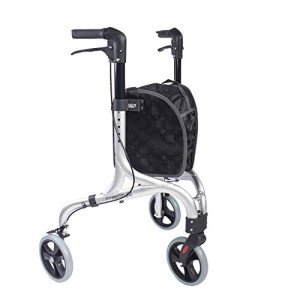
A rollator is a type of walker, normally equipped with wheels, handgrips, and a seat, created to assist individuals with mobility challenges. Unlike basic walkers, which need lifting with each step, rollators provide stability while enabling the user to walk more naturally. Rollators are versatile and can help seniors navigate both inside your home and outdoors, making them a necessary tool for boosting mobility.
Secret Features of Rollators
Rollators feature various features designed to accommodate various requirements and choices, including:
| Feature | Description |
|---|---|
| Wheels | Developed for smooth movement, normally can be found in little or plus sizes based upon terrain requirements. |
| Handbrakes | Allow users to control speed and stop safely. |
| Seat | A built-in seat supplies a resting location when users require to take a break. |
| Storage | Lots of rollators included baskets or pouches for carrying personal items. |
| Adjustable Height | Handles can be gotten used to match the user's height for convenience and proper posture. |
| Lightweight Frame | Numerous designs are made from aluminum or other lightweight products for simple maneuverability. |
Benefits of Using a Rollator
Rollators offer numerous benefits for seniors, which can add to improved lifestyle. Here are some of the main benefits:
- Increased Independence: Rollators permit seniors to take part in daily activities more conveniently and confidently.
- Safety: Equipped with brakes and a steady frame, rollators decrease the risk of falls, a specific concern for seniors.
- Convenience: The presence of a seat and storage options makes trips easier by enabling seniors to take breaks when needed and bring vital products.
- Versatile Use: Suitable for different surfaces, consisting of walkways and indoor spaces, rollators offer flexibility for users.
- Motivates Physical Activity: Using a rollator can motivate seniors to stay active, which is essential for keeping health.
Aspects to Consider When Choosing a Rollator
Choosing the best rollator includes considering numerous elements to guarantee it meets the user's particular needs. Here are key components to think about:
- User's Height and Weight: Ensure the rollator can accommodate the user's height and weight for safety and convenience.
- Wheel Size: Larger wheels are much better for outdoor use, while smaller sized wheels appropriate for flat indoor surfaces.
- Frame Material: Lightweight frames make steering easier; however, guarantee they are also sturdy and durable.
- Seat Dimensions: The seat ought to be comfy and appropriately sized for the user.
- Storage Space: Depending on the user's way of life, consider how much storage space they might require for bring items.
Popular Types of Rollators
There are numerous kinds of rollators created for different purposes. Below is a list of some popular types:
- Standard Rollators-- Ideal for indoor and outdoor use, providing basic functions ideal for most users.
- Heavy-Duty Rollators-- Built to accommodate bigger people, providing increased stability and weight capacity.
- Three-Wheel Rollators-- An excellent alternative for those in requirement of a lightweight, portable option that is easy to maneuver.
- Folding Rollators-- Perfect for those who require a compact solution for travel or storage.
- rollator For seniors Walkers with Seats-- These come with larger or more comfy seating areas, useful for those needing extended periods of rest.
Regularly Asked Questions (FAQs)
1. Are rollators ideal for all seniors?
While rollators are beneficial for many seniors, each individual's mobility needs are various. It's necessary to talk to a doctor or physical therapist to figure out the most appropriate mobility aid.
2. Can rollators be used outdoors?
Yes, numerous rollators are created for outdoor use and include bigger wheels suitable for different terrains. It is very important to consider the user's mobility level and the surface when picking a rollator.
3. How do I maintain a rollator?
Regular maintenance involves checking brakes, making sure wheels are clean and functional, and replacing any worn-out parts to ensure safety and durability.
4. Can rollators be personalized for individual needs?
Yes, lots of manufacturers offer custom choices for specific features, such as manage height, seat size, or extra accessories like baskets or trays.
5. Where can I purchase a rollator?
Rollators can be acquired through medical supply shops, drug stores, online merchants, or from specialized mobility devices companies.
Rollators are important mobility aids that can substantially improve the quality of life for seniors, fostering independence and safety while encouraging routine exercise. With a range of features and designs readily available, selecting the ideal rollator involves considering elements such as user needs and choices. Whether for indoor or outdoor use, rollators provide practical options to mobility challenges, permitting seniors to navigate their environments with confidence and ease.
Swedish Provisional Driver's License: A Comprehensive Guide
Driving in Sweden needs a legitimate driver's license, and for beginners or those new to the country, acquiring a provisionary license is often the first step. This guide offers an in-depth overview of the Swedish provisional driver's license, consisting of the application procedure, requirements, and often asked questions.
What is a Swedish Provisional Driver's License?
A Swedish provisionary driver's license, known as "provpass" in Swedish, is a document released to people who are in the procedure of obtaining a full driver's license. It permits holders to practice driving under the supervision of a licensed driver. The provisional license is a necessary step in the Swedish driving education system, designed to make sure that new motorists get the required abilities and experience before they can take the last driving test.
Who Needs a Provisional Driver's License?
Anyone who wants to drive in Sweden and does not already have a legitimate Swedish or international driver's license should obtain a provisionary license. This consists of:
- New locals: Individuals who have transferred to Sweden and have actually not yet obtained a Swedish driver's license.
- Teenagers: Young individuals who are beginning the procedure of learning to drive.
- Individuals who have actually lost their license: Those who require to reapply for a driver's license due to loss, expiration, or revocation.
Application Process
Eligibility Check:
- Age Requirement: You need to be at least 17 years of ages to look for a provisionary driver's license.
- Residency Status: You need to have a valid residence license in Sweden.
- Vision Test: You must pass a vision test, which can be carried out at a local Trafikanterna (Swedish Transport Agency) office.
Theory Test (Teoriprov):
- Preparation: Study the Swedish Traffic Code and the theory manual, which covers road indications, traffic guidelines, and safe driving practices.
- Booking: Schedule your theory test through the Trafikanterna site.
- Test: The theory test consists of 35 multiple-choice concerns. You need to respond to a minimum of 29 correctly to pass.
Application:
- Online Application: Complete the application type on the Trafikanterna site.
- Files Needed:
- Valid identification (passport or nationwide ID card)
- Proof of residency (home license or address card)
- Vision test results
- Proof of passing the theory test
- Cost: Pay the application charge, which is currently around 350 SEK.
License Issuance:
- Waiting Period: After submitting your application, it normally takes a couple of weeks for the provisionary license to be issued.
- Shipment: The provisional license will be sent to your home address.
Requirements for a Provisional Driver's License
- Age: At least 17 years of ages.
- Residency: Must be a legal homeowner of Sweden.
- Vision: Must pass a vision test.
- Theory Test: Must pass the Teoriprov.
- Guidance: When driving, the holder should be accompanied by a totally certified driver who is at least 25 years of ages and has actually held a driver's license for a minimum of three years.
Driving with a Provisional License
- Monitored Driving: The provisional license holder must always be accompanied by a completely licensed driver who fulfills the age and experience requirements.
- Provisional License Plate: If you are utilizing a personal automobile for practice, you need to display a provisional license plate. These can be obtained from Trafikanterna.
- Insurance coverage: Ensure that the automobile you are practicing in is insured. The insurance coverage must cover both the supervisor and the provisionary license holder.
- Driving Hours: There are no particular minimum driving hours needed, but it is advised to practice as much as possible to acquire confidence and experience.
Benefits of a Provisional Driver's License
- Practice and Experience: Provides an opportunity to practice driving in real-world conditions, which is important for establishing the abilities needed to pass the final driving test.
- Safety: Ensures that new chauffeurs are supervised by experienced motorists, decreasing the danger of accidents.
- Legal Compliance: Allows you to legally drive in Sweden, which is essential for finding out and köpa körkort för alla länder compliance with traffic laws.
Frequently asked questions
Q: Can I drive on the highway with a provisional license?A: Yes, you can drive on the highway with a provisional license, however you should be accompanied by a totally licensed driver who meets the guidance requirements.
Q: Can I take the theory test in a language other than Swedish?A: Yes, the theory test is offered in numerous languages, including English, Arabic, and Persian. You can pick your preferred language when setting up the test.
Q: How long is the provisional license legitimate?A: The provisional license stands for 10 years from the date of issuance. If you do not get a full driver's license within this period, you will require to reapply and retake the theory test.
Q: Can I use a provisional license in other nations?A: No, a Swedish provisionary driver's license is only valid in Sweden. If you prepare to drive in another country, you will need to get a driver's license from that nation or an international driver's license if applicable.
Q: What if I fail the theory test?A: If you fail the theory test, you can retake it after a 14-day waiting period. There is a limit to the number of times you can retake the test within a 12-month duration, so it's important to study well and be prepared.
Q: Do I require to take a driving course?A: While not mandatory, it is highly recommended to take a driving course. These courses supply structured learning and practice, which can significantly enhance your chances of passing the last driving test.
Tips for Obtaining a Full Driver's License
Practice Regularly:
- Consistent practice is key to developing confidence and improving your driving abilities. Attempt to arrange routine driving sessions with your manager.
Take a Driving Course:
- Enroll in a driving course provided by a certified driving school. Trainers can offer important feedback and assist you get ready for the useful test.
Review Traffic Rules:
- Continuously review the Swedish Traffic Code and other driving materials. Understanding the rules and regulations is essential for both the theory and dry runs.
Stay Calm and Focused:
- On the day of your dry run, stay calm and focused. Anxiousness is natural, however preserving a clear mind will assist you carry out better.
Utilize the Right Vehicle:
- Ensure that the car you utilize for practice appropriates for a learner. Automatic transmission cars are frequently simpler for beginners, however you ought to practice on the kind of vehicle you will utilize for the dry run.
Obtaining a Swedish provisionary driver's license is a simple procedure that involves meeting certain eligibility requirements, passing a theory test, and sending an application. This license is an important step for new chauffeurs, providing a safe and legal way to gain the essential driving experience. By following the guidelines and tips described in this guide, you can successfully navigate the procedure and move more detailed to obtaining a full driver's license in Sweden.
To learn more and to start the application procedure, visit the Trafikanterna website or contact a regional Trafikanterna workplace. Safe driving and best of luck on your journey to ending up being a certified driver in Sweden!

The Best Home Treadmills in the UK: Elevate Your Fitness Journey
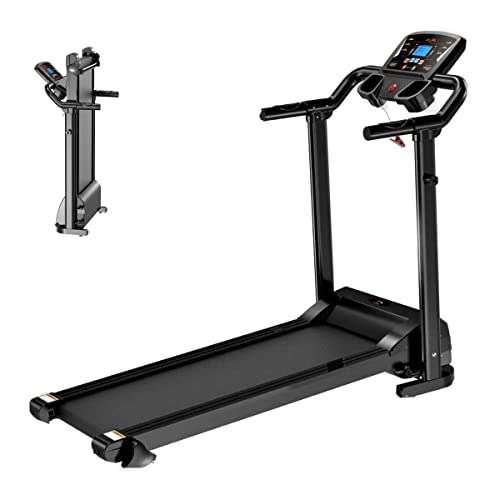
In current years, home physical fitness devices has risen in popularity, particularly as more individuals seek versatility and benefit in their exercise routines. Among numerous exercise machines, treadmills are perennial favorites due to their flexibility and effectiveness. In this post, we will explore the best home treadmills readily available in the UK, directing you through essential features to think about, benefits, and frequently asked questions.
Why Choose a Treadmill for Home Workouts?
Using a treadmill allows users to take pleasure in a variety of cardiovascular workouts, such as walking, jogging, or running, regardless of the weather condition exterior. Key advantages of treadmill workouts include:
- Versatility: Suitable for all physical fitness levels, from novices to skilled professional athletes.
- Controlled Environment: Provides a safe and comfy setting to exercise without outdoor interruptions.
- Progress Tracking: Enables users to monitor their speed, range, calories burned, and heart rate.
- Area Efficiency: Most modern treadmills are developed to be compact, making them appropriate for home use.
Secret Features to Consider When Purchasing a Treadmill
When thinking about which treadmill matches your requirements best, a number of factors come into play:
- Motor Power: Measured in horse power (HP), a treadmill with a minimum of 2.5 HP is ideal for running.
- Running Surface Area: A larger surface area provides more comfort and security, especially for taller users.
- Incline Options: An adjustable incline helps imitate uphill running, boosting workout intensity.
- Foldability and Storage: Space-saving designs with folding systems are preferable for those with limited room.
- Cushioning Technology: Good cushioning reduces effect on joints and guarantees a comfy run.
- Show Features: Look for a clear display that shows essential exercise metrics.
Top Home Treadmills in the UK
1. NordicTrack Commercial 1750
The NordicTrack Commercial 1750 is one of the most sophisticated treadmills available. It boasts an effective 3.75 CHP motor, a large 22" x 60" running surface area, and an optimum incline of 15%. The integrated touchscreen display screen supports HD exercises and iFit technology.
Secret Specifications:
| Feature | Requirements |
|---|---|
| Motor | 3.75 CHP |
| Running Surface | 22" x 60" |
| Maximum Speed | 12 miles per hour |
| Incline/Decline | -3% to 15% |
| Weight Capacity | 135 kg |
2. ProForm Pro 2000
An excellent choice for home users, the ProForm Pro 2000 is equipped with a 3.5 CHP motor and a cushioning system that minimizes effect on the joints. Its 10-inch touchscreen offers access to interactive workouts through iFit.
Secret Specifications:
| Feature | Spec |
|---|---|
| Motor | 3.5 CHP |
| Running Surface | 20" x 60" |
| Maximum Speed | 12 miles per hour |
| Incline/Decline | -3% to 15% |
| Weight Capacity | 135 kg |
3. Horizon T202
The Horizon T202 treadmill integrates affordability with performance. It includes a 2.5 CHP motor and a compact style, suitable for smaller spaces. This design supplies numerous exercise programs and is simple to assemble.
Key Specifications:
| Feature | Spec |
|---|---|
| Motor | 2.5 CHP |
| Running Surface | 20" x 55" |
| Maximum Speed | 10 miles per hour |
| Slope | 0 to 10% |
| Weight Capacity | 136 kg |
4. Tekneco Folding Treadmill
A highly space-efficient alternative, the Tekneco Folding Treadmill is ideal for home users with limited room. It provides a solid 2.0 HP motor and a maximum speed of 10 km/h. Its foldable style makes it simple to keep away after exercises.
Key Specifications:
| Feature | Specification |
|---|---|
| Motor | 2.0 HP |
| Running Surface | 15.5" x 40" |
| Maximum Speed | 10 km/h |
| Incline | No incline |
| Weight Capacity | 100 kg |
5. Sole F63
The Sole F63 treadmill is renowned for its sturdiness and performance. With a 3.0 CHP motor and a remarkable guarantee, it appropriates for both newbies and more major runners.
Key Specifications:
| Feature | Spec |
|---|---|
| Motor | 3.0 CHP |
| Running Surface | 20" x 60" |
| Maximum Speed | 12 mph |
| Incline | 0 to 15% |
| Weight Capacity | 136 kg |
Frequently Asked Questions: Best Home Treadmills
1. Are treadmills simple to assemble?
Most modern treadmills featured detailed direction manuals, making assembly straightforward. Lots of producers likewise offer consumer service support to aid with the setup.
2. Just how much area do I need for a treadmill?
While it differs by model, you must prepare for at least a 2-meter by 1-meter space for a lot of treadmills. Consider both the footprint when in usage and the additional area required for folding.
3. What is the typical lifespan of a treadmill?
A well-kept treadmill can last anywhere from 7 to 12 years. Routine maintenance, consisting of lubrication and keeping the machine tidy, boosts its longevity.
4. Can I utilize a treadmill for walking instead of running?
Definitely! Treadmills are great for walking, and lots of settings permit a low-impact exercise alternative, making them suitable for users of all physical fitness levels.
5. What is the weight limit on many home treadmills uk?
Weight limitations usually vary from 100 kg to 180 kg. It's important to check the specifications for the design you intend to acquire to ensure it meets your needs.
Investing in a treadmill can significantly boost a physical fitness routine, offering a practical and versatile method to exercise in your home. With various designs available in the UK, it's vital to examine specific requirements, workout routines, and space considerations. By concentrating on the essential features laid out above and choosing from premier choices, people can start a successful home physical fitness journey that completely fits their lifestyle.
Repairing a Door Handle: A Comprehensive Guide
Door handles are amongst the most regularly used elements of any office or home. However, their constant usage can lead to wear and tear, leading to a malfunctioning or broken handle. Whether it's a loose handle that will not turn or a totally separated one, repairing a door handle can often be an uncomplicated task that requires only basic tools and a little understanding. This article will direct you through the steps included in fixing a door handle, together with some valuable FAQs.

Understanding Common Door Handle Issues
Before diving into the repair process, it's vital to recognize common issues connected with door handles:
- Loose Handle: A handle that wobbles or turns without engaging the latch may have loose screws.
- Stuck Handle: If a door handle home service (original site) handle is hard to turn, there might be obstructions within the mechanism or misalignment with the lock.
- Removed Handle: Complete detachment might result from broken screws or a damaged handle.
- Rusty or Corroded Handle: Handles made from metal can become rusty over time, causing performance issues.
Acknowledging these problems will assist you figure out the very best course of action for repair.
Tools and Materials Needed
To effectively repair a door handle, you'll need the following tools and materials:
Tools:
- Screwdriver (flathead and Phillips)
- Allen wrench (if applicable)
- Pliers
- Energy knife
- Cleaning up cloth
- Lubricant (e.g., WD-40)
- Replacement parts (if essential)
Materials:
- Screws (if any are missing out on or harmed)
- New handles (if repairs are not possible)
Step-by-Step Repair Process
Action 1: Gather the Tools
Start by putting together all the essential tools and products. Having whatever on hand will make the repair process smoother and more efficient.
Step 2: Remove the Door Handle
Examine the Handle: Look for noticeable screws on the handle or the base. Numerous handles have screws concealed behind ornamental plates, which may need to be pried off gently.
Unscrew the Handle: Using the suitable screwdriver, remove the screws holding the handle in location.
Detach the Handle: Once the screws are gotten rid of, carefully pull the handle away from the door. If the handle is stuck due to paint or corrosion, carefully wiggle it back and forth or use an utility knife to cut the paint around its base.
Step 3: Diagnose the Problem
Upon eliminating the handle, inspect its parts:
- Check the screws: Ensure they are not stripped or harmed.
- Examine the mechanism: Look for any noticeable signs of wear or obstruction.
- Assess the positioning: Ensure that the lock mechanism is lined up with the handle.
Step 4: Repair or Replace Components
Depending on your medical diagnosis, proceed as follows:
For Loose Handles:
- Tighten the screws using the screwdriver. If screws are damaged, replace them with brand-new ones.
For Stuck Handles:
- Apply lubricant to the mechanism and move the handle backward and forward to loosen up any stuck parts. Make sure the positioning is proper with the lock.
For Detached Handles:
- If the handle has actually broken completely, change it with a new one. Ensure you pick a replacement that matches the existing hole pattern on your door.
For Rusty Handles:
- Use a cleansing fabric to clean away rust and rust. If the handle is too corroded for repair, consider changing it completely.
Step 5: Reinstall the Door Handle
Line up the Handle: Position the handle back onto the door, making sure that it lines up with the lock mechanism.
Screw It Back In: Insert and tighten up screws to protect the handle in location. Prevent overtightening as this could remove the screws or harm the door.
Step 6: Test the Handle
Once the handle is reinstalled, evaluate its performance. Ensure it turns smoothly and engages the lock properly. If you see any issues, repeat the relevant repair actions.

Preventative Maintenance Tips
To prolong the life-span of your door handles, think about these maintenance tips:
- Regularly check screws for tightness and retighten them as required.
- Apply lubricant to the mechanism every couple of months to prevent wear.
- Keep handles clean and without dust and debris.
- Inspect for rust or deterioration, especially on exterior doors.
FAQs About Door Handle Repair
Q1: Can I repair a door handle without replacing it?
Yes, lots of common issues, such as loose screws or misalignment, can frequently be repaired without replacement.
Q2: What kind of lubricant should I use?
A general-purpose lube like WD-40 or silicone spray works for lubricating door handle mechanisms.
Q3: How do I know if I require a brand-new handle?
If the handle is broken, heavily rusted, or if internal elements are beyond repair, it may be more cost-efficient to change it.
Q4: Are there various kinds of door handles?
Yes, there are different types, including lever handles, knob handles, and smart locks. Each requires a slightly different approach to repair.
Q5: Is it possible to fix a handle on a sliding door?
Yes, sliding doors frequently have special systems. Nevertheless, the basic concepts of identifying and repairing issues use. Consult producer standards for particular repair directions.
Repairing a door handle might seem intimidating for some, but with the right tools, products, and knowledge, it is a workable DIY job. By following the steps outlined in this guide, individuals can effectively examine, repair, and maintain door handles, ensuring they stay practical and reliable for years to come. Routine maintenance is vital, as it lengthens the life of door handles, reduces the need for substantial repairs, and promotes a smoother operation throughout your office or home.
How To Repair Door Handles: A Step-by-Step Guide
Door handles are among the most often used fixtures in any office or home. Being such a pivotal component of daily activities, it's no surprise that they can experience wear and tear in time. A malfunctioning door handle not only obstructs the ease of access but can likewise jeopardize security and aesthetic appeal. Fortunately, lots of basic repairs can be undertaken easily without professional support. This short article offers a detailed guide on how to repair door handles successfully.
Common Problems with Door Handles
Before starting the repair, it is vital to identify the common issues related to door handles. Here are several normal problems:
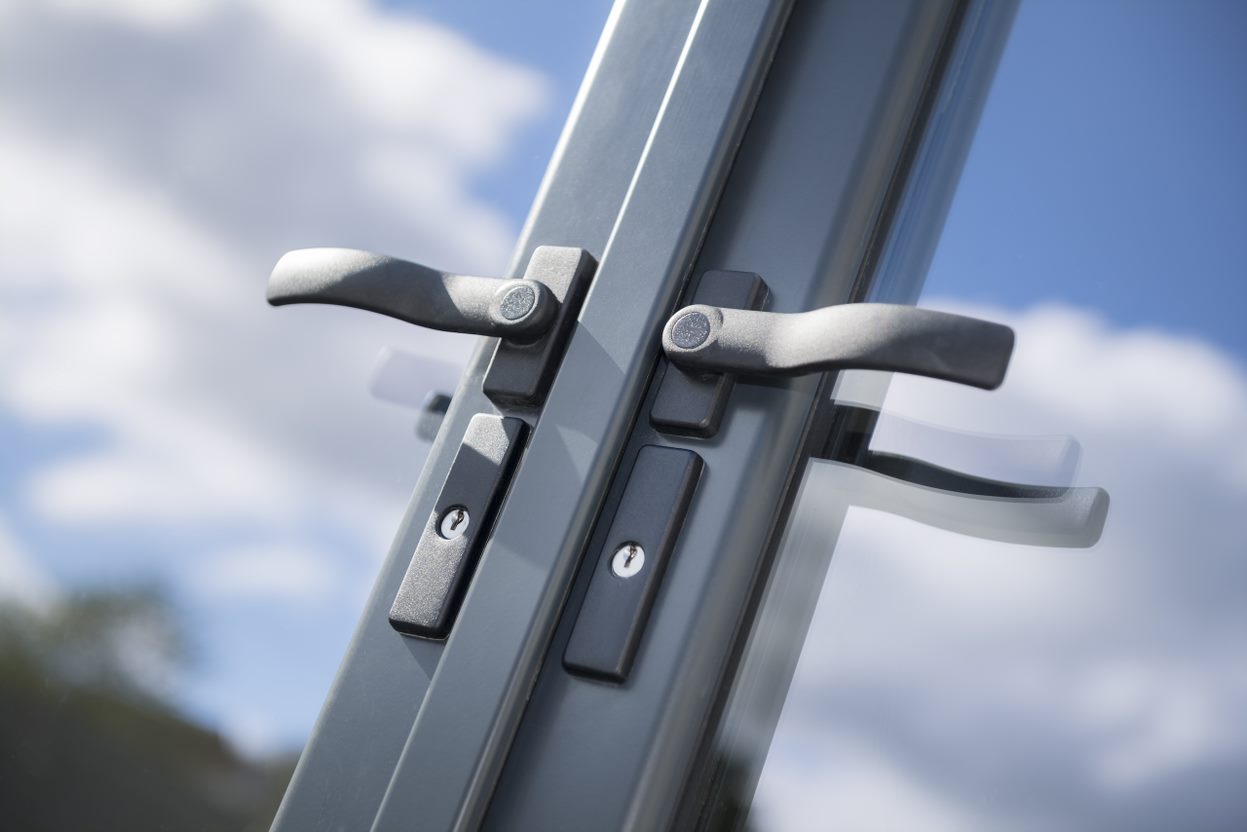
- Loose Handles: Over time, screws can loosen, causing handles to wobble or become removed.
- Sticking Mechanism: A door handle might end up being hard to run due to dirt build-up or deterioration.
- Broken Springs: Internal springs can break, leading to non-functionality.
- Cosmetic Damage: Paint, scratches, or rust can affect the total appearance of a door handle.
Tools and Materials Needed
Before starting the repair procedure, gather the following tools and products:
- Screwdriver (flathead and Phillips)
- Pliers
- Replacement screws or parts (if relevant)
- Lubricant (WD-40 or similar)
- Cleaning fabric
- Sandpaper (if needed)
- Paint or metal polish (for cosmetic repairs)
Step-by-Step Repair Process
Action 1: Diagnosis
Start by identifying the precise concern with the door handle. Is it loose? Sticking? Investigate by manipulating the handle and observing any irregularities. Determining the problem will dictate the essential repairs.
Action 2: Gather Tools
When the problem is determined, put together the required tools and materials. This will make sure a smooth repair procedure.
Step 3: Remove the Handle
To repair or change the door handle, you'll often require to eliminate it initially:
- Locate the screws: Examine the handle for screws, generally found on the underside or side.
- Loosen the handle: Using the suitable screwdriver, carefully remove the screws and remove the handle. If you experience trouble unscrewing, apply a permeating oil to loosen up any rust or grime.
Step 4: Clean the Mechanism
Before making repairs, it is necessary to clean the location:
- Dust and debris removal: Use a clean cloth to wipe away dust and dirt.
- Usage lubricant: For sticking handles, apply a lubricant to the mechanism, guaranteeing it penetrates well.
Step 5: Tighten or Replace Screws
If the issue includes a loose handle, tightening up the screws might be adequate:
- Tightening screws: Using the screwdriver, tighten any loose screws firmly.
- Changing screws: If screws are removed or damaged, replace them with brand-new ones to ensure a secure fit.
Step 6: Repair or Replace Springs
For broken internal springs, the repair may include a bit more effort:
- Inspect the springs: Check if any springs are broken or misaligned.
- Replace if required: If springs can not be repaired, eliminate them and change with new ones.
Action 7: Reassemble the Handle
After the repairs are completed, it's time to put everything back in order:
- Align the handle: Position the handle back in place.
- Protect with screws: Insert and tighten the screws.
Step 8: Cosmetic Enhancements
If the handle has cosmetic damage, consider the following:
- Sanding: If there are rough spots, use sandpaper to smooth them down.
- Painting or polishing: Apply paint or metal polish to improve its look.
Step 9: Test the Handle
After reassembly, test the handle to ensure it operates efficiently:
- Operation check: Open and close the quick door Handle repair several times to validate the appropriate performance.
- Evaluate stability: Ensure that whatever is tight and protected.
When to Call a Professional
While minor repairs can typically be dealt with in the house, sometimes the damage might be beyond an easy fix. Consider getting in touch with a professional if:
- The whole handle needs replacement due to severe damage.
- Internal elements are too made complex to repair securely.
- There are issues with the door's alignment impacting the handle's functionality.
Frequently Asked Questions About Door Handle Repair
Q: How often should I check my door handles?
A: It's a great practice to check door handles every six months to a year to guarantee they are operating properly.
Q: Can I repair a dinged up handle myself?
A: Yes, small dents can typically be carefully pushed out using specialized tools and even plastic hammers.
Q: What should I do if the door handle is stuck?
A: If a handle is stuck, try applying a lubricant to loosen it and examine for any internal damage.
Q: Are there any unique tools required for door handle repair?
A: Most standard repairs can be made with basic tools such as screwdrivers and pliers. Nevertheless, intricate issues might need customized tools.
Fixing door handles is a manageable job that property owners can quickly carry out with a little effort and time. By recognizing common problems, using the right tools, and following a systematic repair procedure, you can restore your door handles to their full performance. Not only does this improve your home's security and accessibility, but it also adds to its overall visual appeal. Nevertheless, do not hesitate to call a professional when faced with intractable challenges. For the majority of common issues, a DIY technique will be adequate, making door handle repair both a useful and rewarding endeavor.

Car Key Unlock: A Comprehensive Guide to Accessing Your Vehicle
In a progressively mobile world, having access to your vehicle is necessary, and, usually, individuals find themselves locked out of their cars and trucks. Whether it's due to lost keys, a malfunctioning remote, or a dead battery, car key unlock situations can be demanding and troublesome. This short article checks out different methods for unlocking your car, preventative measures to avoid being locked out, and responses to often asked concerns.
Comprehending the Mechanisms Behind Car Locks
Before diving into unlocking methods, it's essential to comprehend how car locks function. Modern cars frequently employ sophisticated locking systems that improve security. These include:
- Traditional Key Locks: Found in older models, these locks require a physical key.
- Transponder Keys: These keys contain a chip that communicates with the vehicle's ignition, avoiding unauthorized access.
- Remote Keyless Entry: These systems utilize a key fob to lock and unlock the vehicle from a distance.
- Smart Keys: A more recent technology that enables gain access to without needing to physically utilize a key.
Table 1: Types of Car Locks
| Type | Description | Security Level |
|---|---|---|
| Standard Key Locks | Physical key required for gain access to | Moderate |
| Transponder Keys | Chip-based, requires appropriate code for start | High |
| Remote Keyless Entry | Utilizes radio waves to lock/unlock from a distance | High |
| Smart Keys | Keyless ignition and entry, typically consists of tracking | Very High |
Unlocking Your Vehicle: Methods and Best Practices
When faced with a car lockout scenario, choices for unlocking your vehicle vary in effectiveness and safety. Here are a couple of common methods:
1. Utilizing a Spare Key
If you have a spare key, this is the most efficient way to unlock your vehicle. Numerous alternatives for extra keys include:
- Hidden Spare Key: Securing an extra type in a magnetic case in a discrete location on your vehicle.
- Buddies or Family: Keeping a spare key with somebody you trust locally.
2. Calling Roadside Assistance
Many automobile insurance plan and roadway assistance programs use services to unlock your vehicle. This choice is particularly helpful if you belong to a service like AAA or have coverage through your car manufacturer.
3. Using a Slim Jim
A slim jim is a thin strip of metal that can be placed in between the window and weather removing to unlock the door system. This approach needs skill, as it can harm the vehicle if not executed properly. Car owners should consult an expert locksmith for this technique.
4. Utilizing Lockout Tools
Expert locksmith professionals have actually specialized tools to unlock vehicles. These consist of:
- Wedge: Creates area to insert tools.
- Long Reach Tool: Allows for the control of the door lock or deal with.
5. Emergency Unlocking Education
Many modern vehicles have specific approaches for emergency unlock situations. Owners should consult their user manuals for assistance.
6. Bypass Techniques
In some cases, owners can bypass the locking mechanism utilizing the following approaches:
- Sliding Window Technique: If a window is partially open, this method permits access to the car's interior.
- Fishing Line Technique: Using a fishing line can in some cases pull door locks, but this method requires accuracy.
Notes on Safety:
While it may be appealing to unlock your own vehicle using improvised tools, this can cause damage or legal implications if done improperly. Always consider seeking advice from an expert locksmith.
Avoidance Tips to Avoid Lockouts
The finest method to handle lockouts is to avoid them from taking place in the very first location. Here are some effective tips:
- Regularly Check Key Location: Always know where your key is to prevent losing it.
- Smart Key Technology: Consider buying smart key technology, which might remove lockouts.
- Extra Key: Keep a spare type in a safe and secure and trusted area as a backup.
- Key Finder App: Use a Bluetooth tracker app to find your keys rapidly.
- Awareness: Maintain awareness of your surroundings and prospective diversions that might lead to a key misplacement.
Regularly Asked Questions (FAQs)
Q1: What should I do if my key is stuck in the ignition?
A1: It is advised to wiggle the steering wheel gently while attempting to turn the key. If the key does not budge, think about requiring an expert locksmith or roadside support.
Q2: Can I unlock my car without a key?
A2: Yes, there are different methods to unlock a car without a key, such as utilizing a slim jim, wedges, or calling a locksmith. Nevertheless, these approaches can trigger damage if not carried out properly.
Q3: Is it legal to unlock my own car?
A3: Yes, as the owner of the vehicle, you are legally enabled to unlock it. However, utilizing tools or methods that might cause damage might draw in legal repercussions in specific circumstances.
Q4: How can I avoid future lockouts?
A4: Keeping a spare key, utilizing smart key innovation, and utilizing tracking devices on your keys are reliable techniques to prevent lockouts.

Q5: What do I do if I lock my type in the car while it's running?
A5: If this occurs, use caution as it might result in hazardous scenarios. Require roadside assistance or a locksmith to assist restore access without putting yourself or others at risk.
Opening a car can feel like a limitless battle against contemporary technology. From using spare keys to calling locksmith professionals or roadside help, a number of methods can assist regain access to a locked vehicle. Preventative procedures can also substantially decrease the risk of future lockouts, supplying assurance for vehicle owners. By remaining informed and prepared, individuals can navigate the discouraging experience of a car lockout successfully.
Finding a House Locksmith Near Me: A Comprehensive Guide
When it pertains to securing one's home, the significance of a reliable house locksmith can not be overstated. Whether you find yourself locked out of your house, require to upgrade your security system, or require emergency lockout services, having a credible locksmith nearby can save the day. In this short article, we will check out the function of a locksmith, how to discover one close to you, and address regularly asked concerns to assist you make an informed choice.
Comprehending the Role of a House Locksmith
A house locksmith focuses on the installation, repair, and maintenance of different kinds of locks discovered in residential settings. Their knowledge consists of:
- Lock Installations: Ensuring that all entry points to the home (windows and doors) are fitted with top quality locking systems.
- Repair Services: Fixing harmed or malfunctioning locks.
- Emergency Services: Providing quick assistance during lockouts or other immediate situations.
- Security Consultations: Assessing existing security systems and advising improvements based on the most recent innovation and standards.
Services Offered by House Locksmiths
A variety of services can be expected from a residential locksmith, including:
| Service Type | Description |
|---|---|
| Lockouts | Assistance with being locked out of your home. |
| Rekeying Locks | Changing the internal pins of a lock cylinder for brand-new secrets. |
| Lock Replacements | Getting rid of old locks and installing new ones. |
| Home Security Consultation | Providing insights on reinforcing home security. |
| Key Duplication | Making copies of secrets for household members. |
| Safe Installation | Setting up and protecting safes within the home. |
How to Find a House Locksmith Near You
Finding a reliable locksmith can be frustrating, especially in an emergency scenario. Here are some actions to simplify the procedure:
Research Local Options:
- Use online online search engine to find locksmith professionals in your area.
- Usage keywords such as "house locksmith near me" or "emergency locksmith [your city]"
Check Reviews and Ratings:
- Look for online reviews on platforms like Google, Yelp, or Angie's List to evaluate the quality of service provided.
- Pay attention to customer feedback about their experiences, especially regarding reaction times and overall fulfillment.
Verify Credentials:
- Ensure that the locksmith is certified and insured. This provides a layer of defense in case of damages or if work doesn't meet standards.
Ask About Services Offered:

- Confirm if they offer the particular services you are searching for, such as emergency lockout assistance or lock replacements.
Ask About Pricing:
- Request an in-depth quote prior to service. Watch out for locksmiths who supply quotes without examining your scenario as this might show hidden costs.
Schedule:
- Inquire whether they provide 24/7 services. Emergency situations can occur at any time, and having access to a locksmith during off-hours can be important.
Comparison of Locksmith Services
| Locksmith | Accessibility | Emergency Services | Typical Cost | Reputation |
|---|---|---|---|---|
| LockTech | 24/7 | Yes | ₤ 75 - ₤ 150 | Extremely Recommended |
| SecureKey | 9 AM - 5 PM | No | ₤ 50 - ₤ 100 | Typically Positive |
| QuickLock | 24/7 | Yes | ₤ 75 - ₤ 120 | Combined Reviews |
| Reliable Locks | 8 AM - 8 PM | Restricted Support | ₤ 70 - ₤ 130 | Advised |
Regularly Asked Questions (FAQs)
1. What should I do if I get locked out of my house?
Contact a local locksmith instantly. It's essential to remain calm and supply them with any necessary recognition to show residency at the location.

2. How much does a locksmith charge for a lockout service?
Lockout services generally cost between ₤ 50 and ₤ 150, depending upon the intricacy of the lock and time of service.
3. Can a locksmith make a key without the initial?
Yes, a locksmith can often produce a brand-new key based upon the lock itself. This might involve dismantling the lock to create a new key that fits.
4. How typically should I change my locks?
It is a good idea to alter your locks whenever you move into a new home or if you've lost your secrets. In addition, if your locks are showing indications of wear, it might be time for an upgrade.
5. Do locksmith professionals offer security suggestions?
A lot of professional locksmith professionals can examine your present locks and recommend improvements for better security. This might include recommending more powerful locks or extra security functions.
Discovering a house locksmith nearby is not practically solving instant issues; it's likewise about boosting your overall home security. By putting in the time to research study, confirm qualifications, and comprehend the services provided, homeowners can guarantee that they get quality service when they require it most. Keep this guide handy for recommendation in case you require to find a locksmith, and felt confident knowing your home will be protected.
The Role and Importance of Certified Casement Window Installers
When it comes to home remodellings, particularly worrying energy performance and looks, windows play a pivotal role. One of the popular types of windows that homeowners often think about is casement windows. These hinged windows use many advantages, consisting of excellent ventilation, unblocked views, and improved energy effectiveness. Nevertheless, to optimize these advantages, employing a certified casement window installer is essential. This short article checks out the significance of certified window installers, the benefits they offer, and guidance on choosing the ideal certified professional for the job.
What is a Casement Window?
Casement windows are depended upon one side and open outside, usually using a crank mechanism. They are praised for their design and functionality. Here are some qualities of casement windows:

- Ventilation: Casement windows can be totally opened, enabling maximum air flow.
- Energy Efficiency: They develop a tight seal when closed, preventing air leakage and enhancing insulation.
- Versatile Design: Casement windows can be customized to fit numerous design visual appeals.
Why Certification Matters
Employing a certified installer guarantees that the installation process is carried out properly and complies with market requirements. Here are some factors why certification is essential for casement window installers:
- Technical Expertise: Certified installers possess the training and knowledge essential to deal with the particular requirements of casement windows.
- Quality Assurance: They follow standardized practices to make sure premium installation, lowering the probability of future concerns.
- Service warranty Protection: Many window producers require professional installation for service warranties to be legitimate. Hiring a certified installer guarantees compliance with these warranty standards.
- Security Compliance: Certified installers recognize with security guidelines, assisting to secure homeowners from potential mishaps throughout installation.
| Benefits of Hiring Certified Window Installer Casement Window Installers | Details |
|---|---|
| Technical Knowledge | Knowledge of window types, mechanics, and installation processes. |
| Adherence to Standards | Compliance with local building regulations and regulations. |
| Warranty Compliance | Makes sure the warranty on windows remains legitimate. |
| Quality control | Minimizes the risk of leaks, drafts, or other installation-related problems. |
| Safety and Liability | Safeguards both installers and property owners from potential liabilities. |
What to Look for in a Certified Casement Window Installer
When searching for a certified casement window installer, consider the list below aspects:
Credentials and Certification:
- Verify the installer's certifications.
- Look for subscriptions in trustworthy organizations within the market.
Experience:
- Consider for how long the installer has actually been dealing with casement windows specifically.
- Assess their portfolio and previous projects for quality.
Evaluations and References:
- Look for evaluations on platforms like Yelp and Google.
- Ask the installer for recommendations from previous customers.
Insurance coverage:
- Ensure that the installer has both liability and workers' settlement insurance.
- This safeguards you from any liabilities in case of mishaps throughout installation.
Quotes and Estimates:
- Obtain multiple quotes to compare rates and services.
- Be careful of abnormally low rates, which may show subpar work.
The Installation Process
The process of setting up casement windows includes numerous key actions:
- Initial Consultation:
- Discuss the task scope, kinds of windows, and budget plan.
- Measurement and Assessment:
- The installer will take precise measurements to guarantee an appropriate fit.
- Removal of Old Windows:
- Carefully remove existing windows without causing damage to the structure.
- Installation of New Windows:
- Follow best practices to secure and seal the new casement windows.
- Final Inspection and Cleanup:
- Inspect the installation and guarantee the work space is tidied up.
FAQs About Certified Casement Window Installers
Q: How much does it cost to employ a certified casement window installer?
A: The cost can vary commonly based upon several factors, consisting of the variety of windows, the type of casement windows selected (e.g., material, size), and your place. On average, installation costs can vary from ₤ 300 to ₤ 1,500 per window.
Q: Can I set up casement windows myself?
A: While it is possible to set up casement windows as a DIY project, it is not advised unless you have experience. Improper installation can cause issues like air leakages, water damage, and voided guarantees.
Q: How long does it require to set up casement windows?
A: The installation time differs depending upon the number of windows and the complexity of the task, however usually, a certified installer can finish the task in one to two days.
Q: What products are casement windows made from?
A: Casement windows can be constructed from a variety of products, including vinyl, wood, aluminum, and fiberglass.
Q: How do I preserve casement windows?
A: Regular maintenance consists of cleaning the frames, lubing the hinges and cranks, and inspecting the seals for damage.
Hiring a certified casement window installer is vital for house owners seeking to upgrade their windows while making sure quality and efficiency. The benefits of using a qualified professional-- from technical know-how to warranty compliance and safety-- far exceed the advantages of going with a DIY approach or working with an unqualified person. By carefully choosing a certified installer, property owners can enjoy the visual and functional benefits of casement windows for several years to come.
Buying professional installation not only boosts the beauty and performance of the home but likewise safeguards it versus prospective issues down the line. Whether it's for brand-new building, remodelling, or energy effectiveness upgrades, hiring a certified installer is a sensible choice for any house owner.
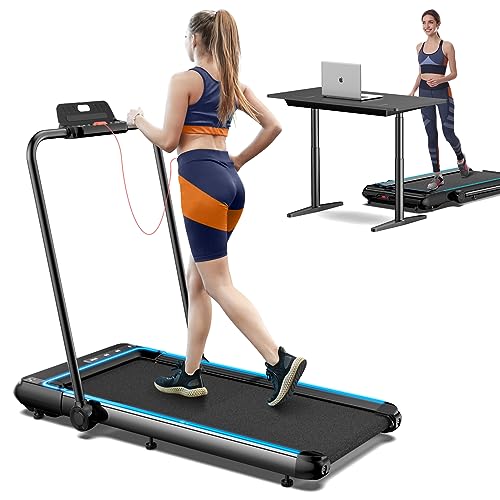
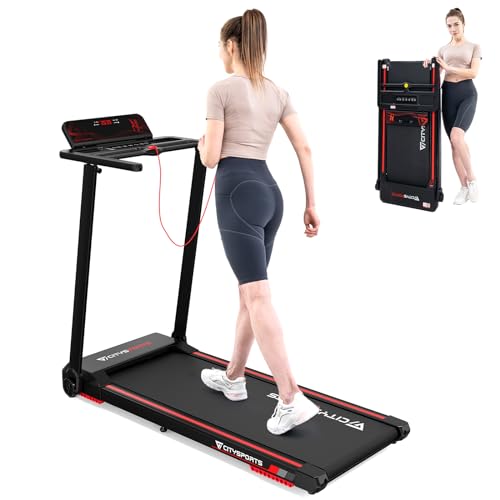
At Home Treadmills: A Comprehensive Guide for Fitness Enthusiasts
In an age where benefit and health are vital, at-home treadmills have ended up being a popular choice for physical fitness enthusiasts and casual exercisers alike. Whether it's the bitterness of winter, a busy schedule, or merely a preference for working out in personal privacy, lots of people are choosing a treadmill in the convenience of their homes. This article checks out the numerous types of treadmills, their benefits, how to pick the best one, ideas for reliable usage, and answers to often asked questions.
Advantages of Having a Treadmill at Home
Having a treadmill at home deals numerous advantages that can boost an individual's physical fitness journey. Below are some engaging benefits:
| Benefits | Description |
|---|---|
| Convenience | Exercise anytime without concerns about travel, gym hours, or climate condition. |
| Privacy | Workout in a comfortable and personal setting, devoid of judgment. |
| Personalization | Tailor workouts to personal choices, consisting of speed, incline, and duration. |
| Health Tracking | Numerous treadmill models come equipped with innovation that helps keep an eye on heart rate, calories burned, and distance covered. |
| Diverse Workouts | From walking to running, users can engage in different workouts to keep fitness regimens fresh and exciting. |
| Cost-effective | Although treadmills need an in advance financial investment, they can conserve on gym subscriptions with time. |
Kinds Of At-Home Treadmills
Before buying a treadmill, it's necessary to understand the various types available on the market:
Manual Treadmills
- Operated without electrical energy-- users offer the power.
- Simpler design without complex electronics.
- Perfect for those looking for a standard walking or running experience.
Motorized Treadmills
- Feature electric motors that drive the belt.
- Deal various speed settings and often come with extra functions (e.g., slope changes).
- Best suited for more major runners and those looking for a series of workout options.
Folding Treadmills
- Can be folded when not in usage, maximizing area in smaller sized homes.
- Typically motorized and geared up with contemporary features.
- Perfect for individuals with minimal exercise area.
Commercial Treadmills
- High-quality building and robust functions designed for heavy everyday usage.
- Generally found in fitness centers, however some home physical fitness lovers purchase them for a premium experience.
- More expensive but include advanced features like bigger screens and more workout programs.
Smart Treadmills
- Geared up with sophisticated technology, such as interactive screens and connection to physical fitness apps.
- Often integrate with virtual training programs for boosted user experiences.
- Ideal for tech-savvy individuals who delight in gamified workouts.
Aspects to Consider When Choosing a Treadmill
When selecting an at-home treadmill, it's important to assess numerous elements to ensure it meets your needs:
- Space: Evaluate the offered area in your home for a treadmill, thinking about both the footprint and the folding capability.
- Spending plan: Determine just how much you are prepared to invest; treadmills can vary from a few hundred to several thousand dollars.
- Features: Consider functions that enhance your experience, such as adjustable slope, speed settings, and incorporated fitness tracking.
- Weight Capacity: Ensure the treadmill can support your weight and accommodate any extra users.
- Warranty: Check the guarantee used by the manufacturer-- this can supply assurance about the toughness of the treadmill.
Tips for Effective Treadmill Workouts in the house
Making the most of the effectiveness of workouts in your home needs motivation and method. Here are some useful tips:
Set Goals: Establish particular, quantifiable goals; these can be related to distance, speed, frequency, and even weight-loss.
Differ Your Workouts:
- Incorporate interval training, which rotates between high-intensity periods and low-intensity recovery.
- Experiment with various speeds and slopes.
Develop a Routine: Designate specific days and times for workouts to develop consistency and discipline.
Stay Hydrated: Keep water easily accessible during exercises to remain hydrated.
Display Progress: Use the treadmill's tracking features or preserve an exercise journal to keep an eye on progress and commemorate achievements.
Frequently Asked Questions (FAQs)
1. Just how much space do I require for a treadmill?
- Ideally, allocate an area of a minimum of 6-7 feet in length and 3-4 feet in width to supply ample space for security and motion.
2. Are manual treadmills reliable for weight-loss?
- Yes, manual treadmills can be effective for weight loss as they need more effort to use. However, they might not provide the exact same speed and incline choices as motorized designs.
3. How frequently should I use my treadmill?
- For optimum advantages, go for a minimum of 150 minutes of moderate aerobic activity or 75 minutes of vigorous activity every week, spread throughout the week.
4. Is a smart treadmill worth the financial investment?
- For tech enthusiasts or those who flourish on motivation from interactive exercises, clever treadmills can improve the at-home workout experience substantially.
5. What maintenance is required for a treadmill?
- Routinely check the belt positioning, clean the surface area, lubricate the belt as needed, and ensure all electronic components are working correctly.
At-home treadmills offer an outstanding chance for people to preserve fitness routines regardless of external factors. With various types, features, and advantages, choosing the right treadmill can substantially enhance personal fitness journeys. By understanding the various alternatives offered and carrying out reliable workout methods, physical fitness lovers can cultivate a healthier lifestyle from the convenience of their homes. As the trends in home physical fitness continue to develop, investing in a treadmill is a choice numerous are happy they made.