Della Rede
Mục blog của Della Rede
The International English Language Testing System (IELTS) Certificate: A Comprehensive Guide
The international English language testing system Certificate English Language Testing System (IELTS) is a globally recognized English efficiency test created to assess the language capabilities of non-native English speakers who wish to study, work, or migrate to English-speaking nations. Considering that its inception in 1989, IELTS has actually become one of the most popular and highly regarded language certifications on the planet, accepted by over 10,000 organizations in more than 140 nations. This post provides an in-depth introduction of the IELTS certificate, including its structure, scoring, benefits, and often asked concerns.
What is the IELTS Certificate?
The IELTS certificate is a standardized test that examines a candidate's abilities in listening, reading, composing, and speaking. It is jointly handled by the British Council, IDP: IELTS Australia, and Cambridge Assessment English. The test is offered in 2 formats: Academic and General Training. The Academic format is ideal for those using for college or professional registration, while the General Training format is created for those who are migrating to an English-speaking country or requesting secondary education, training programs, or work experience.
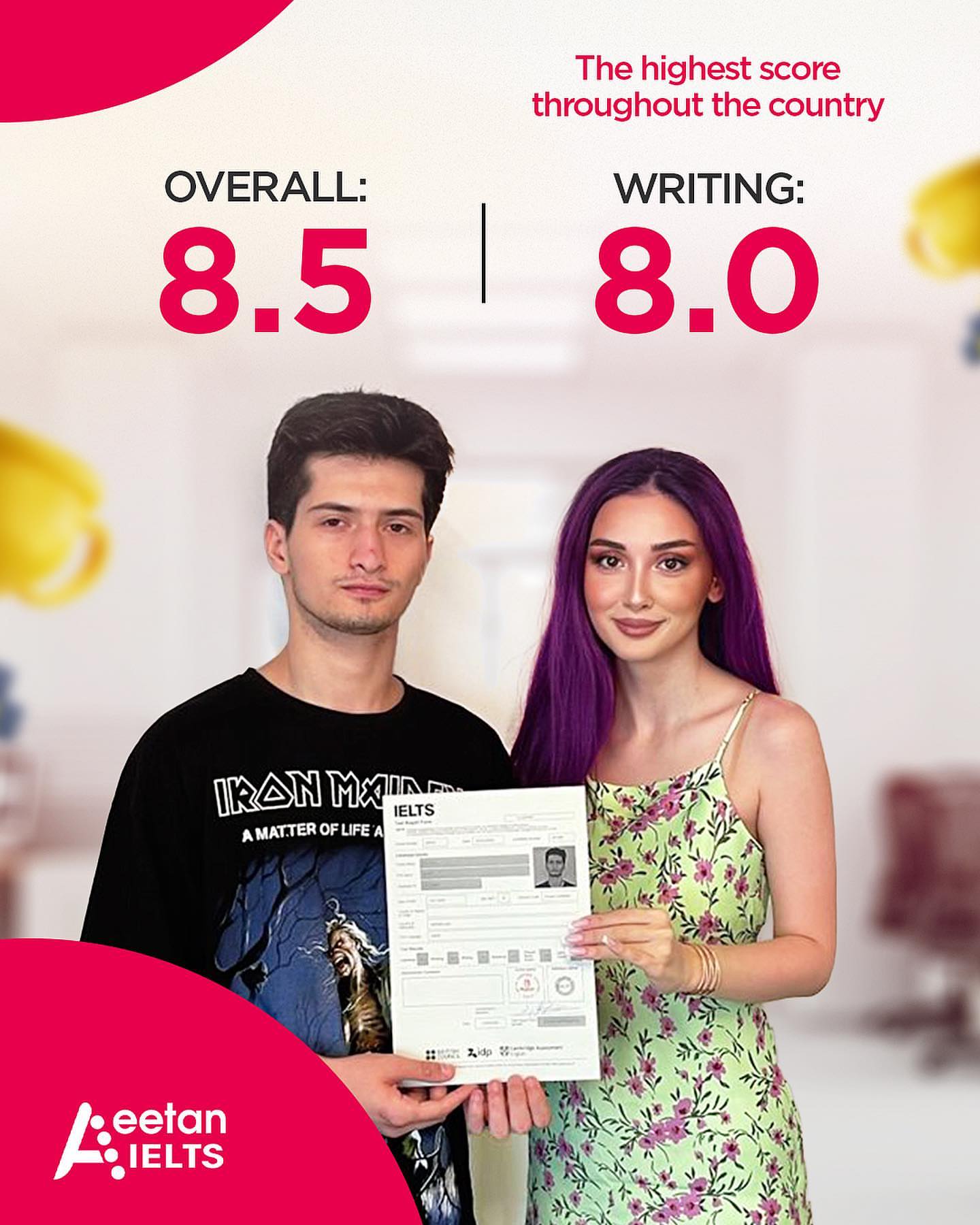
Structure of the IELTS Test
The IELTS test is divided into 4 sections, each developed to assess a particular language skill:
Listening (30 minutes)
- The listening section consists of 4 taped texts, ranging from a discussion between 2 people to a monologue on an academic subject.
- Candidates respond to a series of questions based upon what they hear, including multiple-choice, matching, and short-answer concerns.
Reading (60 minutes)
- The reading section includes 3 long texts, which may be descriptive, factual, or discursive.
- Texts are drawn from books, newspapers, publications, and other sources, and prospects are required to address 40 concerns, which might consist of multiple-choice, identifying info, and summing up.
Writing (60 minutes)
- The writing section includes two jobs:
- Task 1 (20 minutes): For the Academic format, candidates need to explain a graph, chart, table, or diagram. For the General Training format, prospects should compose a letter.
- Task 2 (40 minutes): Candidates should compose an essay in response to a point of view, argument, or problem.
- The writing section includes two jobs:
Speaking (11-14 minutes)
- The speaking area is an in person interview with a certified examiner.
- It is divided into 3 parts:
- Part 1 (4-5 minutes): General questions about the candidate's life, interests, and experiences.
- Part 2 (3-4 minutes): The candidate is provided a subject and has one minute to prepare before promoting one to 2 minutes.
- Part 3 (4-5 minutes): A discussion on the topic from Part 2, where the examiner asks more abstract and complex concerns.
Scoring and Results
The IELTS test is scored on a scale from 0 to 9, with 9 being the greatest. Each area (listening, reading, writing, and speaking) is scored individually, and the general band score is the average of these four ratings. The scores are reported in half bands, except for the overall band score, which is reported to the nearest whole or half band.
- Band 9: Expert user
- Band 8: Very excellent user
- Band 7: Good user
- Band 6: Competent user
- Band 5: Modest user
- Band 4: Limited user
- Band 3: Extremely limited user
- Band 2: Intermittent user
- Band 1: Non-user
- Band 0: Did not try the test
Candidates normally receive their outcomes within 13 days of taking the test. The results are valid for two years, although some institutions may accept older ratings if the prospect can offer evidence that their language abilities have not declined.
Benefits of the IELTS Certificate
Worldwide Recognition
- IELTS is accepted by universities, employers, and immigration authorities in the UK, Australia, Canada, New Zealand, and the USA, to name a few nations. This makes it a valuable credential for anybody wanting to pursue international chances.
Accurate Assessment
- The test is designed to show real-life situations, ensuring that candidates are evaluated on their capability to communicate efficiently in an English-speaking environment.
Flexibility
- IELTS uses both Academic and General Training formats, permitting candidates to choose the test that best fits their needs and goals.
Preparation and Support
- A large range of resources, including practice tests, research study products, and preparation courses, are offered to assist prospects prepare for the test.
How to Prepare for the IELTS Test
Understand the Test Format
- Familiarize yourself with the structure and kinds of concerns in each section. This can help minimize anxiety and improve efficiency.
Practice Regularly
- Use official IELTS practice products to replicate test conditions. Regular practice can assist you recognize locations where you require enhancement.
Improve Your Language Skills
- Enhance your listening, reading, writing, and speaking skills through constant practice and exposure to English-language material.
Take a Preparation Course
- Think about registering in a preparation course provided by certified institutions. These courses supply structured guidance and feedback.
Take Mock Tests
- Mock tests can assist you gauge your preparedness and change your study plan appropriately.
FAQs About the IELTS Certificate
Q1: How do I sign up for the IELTS test?
- You can register for the IELTS test online through the main IELTS site or at a local test center. The procedure involves selecting a test date, paying the registration charge, and offering individual info.
Q2: How much does the IELTS test cost?
- The cost of the IELTS test varies by nation and test center. On average, the fee ranges from ₤ 200 to ₤ 250 GBP. It is very important to examine the particular cost in your region.
Q3: Can I retake the IELTS test if I am not satisfied with my score?
- Yes, you can retake the IELTS test as lot of times as you require. However, it is advisable to wait on a sensible period and utilize the time to enhance your abilities and prepare better.
Q4: What is the difference in between the Academic and General Training formats?
- The Academic format is tailored towards candidates who want to study at a university or expert organization, while the General Training format is developed for those who are moving to an English-speaking country or looking for non-academic training or work experience.
Q5: How long are IELTS ratings valid?
- IELTS scores are legitimate for 2 years. Nevertheless, some organizations may accept ratings that are older, provided the prospect can demonstrate that their language skills have actually not decreased.
Q6: Can I cancel my test?
- Yes, you can cancel your test, but you need to do so a minimum of five weeks before the test date to get a refund. Cancellations made after this duration are not eligible for a refund.
Q7: What if I require special accommodations due to a special needs?
- IELTS offers special lodgings for prospects with impairments, including extended time, large print materials, and additional support. You must contact your test center to discuss your specific needs.
Q8: What happens if I miss my test?
- If you miss your test without prior notice, you will not be eligible for a refund. In cases of genuine emergency situations, you need to call the test center as quickly as possible to describe the scenario.
The International English Language Testing System (IELTS) certificate is an important credential that opens doors to instructional, professional, and migration opportunities worldwide. By comprehending the test structure, preparing effectively, and making the most of the readily available resources, prospects can increase their opportunities of attaining a high score and recognizing their objectives. Whether you are planning to study abroad, seek work in an English-speaking nation, or move for a much better life, the IELTS certificate can be an important action in your journey.
Extra Resources
- Authorities IELTS Website: ielts.org
- Practice Materials: ielts-practice. org
- Test Centers and Dates: britishcouncil.org/ielts
By following these standards and preparing diligently, candidates can ensure they are fully equipped to excel in the IELTS test and attain their preferred results.