Gale Milburn
Blog entry by Gale Milburn
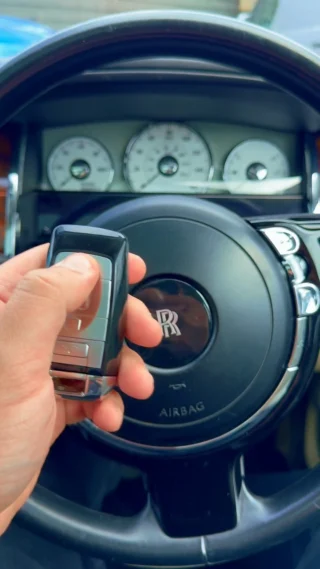
Immobilizer Key Repair: A Comprehensive Guide
Intro
The modern-day automotive landscape functions progressively complex anti-theft systems, with immobilizers being a crucial element in vehicle security. An immobilizer key consists of a transponder chip that interacts with the vehicle's ignition system to guarantee that just licensed keys can begin the engine. However, similar to any mechanical component, immobilizer keys are vulnerable to wear and malfunction. This article explores the complexities of immobilizer key repair, discussing typical concerns, repair choices, cost factors to consider, and regularly asked questions.
Comprehending Immobilizer Keys
Before diving into repair options, it's vital to understand how immobilizer keys work:
- Transponder Technology: Each immobilizer key contains a distinct transponder chip. When the key is placed into the ignition, it sends a coded signal to the vehicle's Engine Control Unit (ECU).
- Permission Process: The ECU verifies the signal's credibility. If legitimate, it permits the vehicle to begin; if not, the engine stays paralyzed.
- Kinds of Keys: Immobilizer keys can be categorized into several types:
- Traditional Key with Transponder: Standard key design with embedded transponder.
- Smart Key: Keyless entry systems that allow push-button start without physical insertion.
- Key Fob: Combined remote and immobilizer key often utilized in modern-day automobiles.
Common Issues with Immobilizer Keys
Several common problems may arise that necessitate immobilizer key repair. Here's a list of the most regular issues:
- Damaged Transponder Chip: Physical damage to the key can compromise the chip's functionality.
- Loss of Synchronization: Sometimes, the key might become unsynchronized with the vehicle's ECU.
- Dead Battery: For smart keys, a dead battery can prevent interaction with the vehicle.
- Use and Tear: Over time, physical wear can result in the key not turning or inserting effectively into the ignition.
Repair Options
If a vehicle owner experiences concerns with an immobilizer key, numerous repair options are available:
1. Reprogramming
Reprogramming is typically needed if the immobilizer key has lost synchronization with the vehicle. This procedure includes:
- Visiting a Professional: Most car dealerships and accredited locksmiths can reprogram keys utilizing specialized devices.
- Tools Required: The procedure generally requires diagnostic tools that are suitable with the vehicle's make and model.
2. Key Replacement
In some cases, repair may not be an alternative, and replacement might be required. Key replacement includes:
- Ordering a New Key: This can normally be done by means of a dealer, which will need evidence of ownership.
- Program the New Key: Just like with reprogramming, a brand-new key will need to be synced with the vehicle's ECU.
3. Chip Replacement
If the key is undamaged however the chip is damaged, an expert locksmith can:
- Replace the Transponder Chip: This alternative is normally less costly than full key replacement.
- Reprogram the Key: After chip replacement, the key must likewise be reprogrammed.
4. Battery Replacement for Smart Keys
For smart keys with dead batteries:
- Battery Replacement: These keys often have replaceable batteries that can be bought from hardware shops or auto supply stores.
- Re-sync the Key: In some cases, it might be needed to re-sync the key after replacing the battery.
5. Do it yourself Options
For minor repairs, some vehicle owners may think about DIY solutions:
- Inspect the Key: Check for apparent indications of damage.
- Clean the Key and Ignition: Dust and particles could prevent the key's operation.
However, extensive repairs should be delegated specialists.
Cost Considerations
The cost of immobilizer key repair can vary substantially based on a number of factors:
| Repair Type | Estimated Cost |
|---|---|
| Reprogramming | ₤ 50 - ₤ 150 |
| Key Replacement | ₤ 100 - ₤ 500 |
| Chip Replacement | ₤ 30 - ₤ 100 |
| Battery Replacement | ₤ 5 - ₤ 20 |
| DIY Expenses | ₤ 0 - ₤ 30 (cleansing, etc) |
Note: Prices vary by area, vehicle make/model, and company.
FAQs about Immobilizer Key Repair
Q1: How can I inform if my immobilizer key is malfunctioning?
- Typical signs include trouble beginning the vehicle, the immobilizer light flashing when the key is in the ignition, or physical damage to the key itself.
Q2: Can I reprogram my immobilizer key myself?
- While some vehicles permit DIY programming, a lot of require specific tools and knowledge. It's recommended to seek advice from a professional for reprogramming.
Q3: How long does it require to repair an immobilizer key?
- Repair or reprogramming can typically be completed within one hour, although replacement keys might take longer depending upon sourcing.
Q4: Is it a good idea to utilize a locksmith for immobilizer key problems?
- Yes, qualified locksmith professionals are often equipped to manage immobilizer keys, however guarantee they have experience with your particular vehicle make and design.
Q5: How can I avoid future immobilizer key problems?
- Frequently inspect your key for damage and keep it clean. In addition, avoid exposing the key to wetness or extreme temperature levels.
Immobilizer keys play a vital role in vehicle security, but they likewise include their difficulties. Comprehending the typical issues and repair alternatives is crucial for any vehicle owner. By staying proactive and seeking professional support when needed, individuals can ensure that they maintain the integrity and functionality of their immobilizer keys. Whether through professional aid or easy DIY care, understanding about immobilizer key repair can conserve both money and time in the long run.