Marylin Philipp
Blog entry by Marylin Philipp
Bunk Beds for Kids: A Comprehensive Guide
Bunk beds have actually been a popular option for kids's bed rooms for years. They provide a space-saving solution that makes the most of floor area, provides fun climbing options, and can be found in a variety of styles that interest kids's imaginations. This post checks out the advantages, considerations, designs, and safety features connected with bunk beds for children.
Advantages of Bunk Beds
Bunk beds present numerous benefits that make them an appealing alternative for families. Here are some essential benefits:
Space Saving
- Bunk beds allow two or more kids to share a space without compromising space for play or other activities.
Cost-Effective
- Getting a single bunk bed can be more cost-effective than buying two different beds.
Fun Factor
- Kids often see bunk beds as a fun place to sleep and play, fostering a sense of adventure.
Versatility
- Bunk beds are available in numerous configurations, including L-shaped, loft beds, and even convertible designs that can change as kids grow.
Organization
- Numerous bunk beds include integrated storage alternatives, such as shelves and drawers, helping keep spaces arranged.
Secret Considerations Before Purchasing
Before investing in a bunk bed, it's important to consider specific aspects, such as:
Space Requirements
Measure the room to make sure that there suffices vertical space, enabling sufficient headroom on the top bunk.
Age of Your Children
Consider their age and maturity. Numerous manufacturers suggest that children under six ought to not sleep in the top bunk due to safety issues.
Weight Limit
It's important to examine the weight limits of the bunk bed for both the top and bottom bunks to guarantee safety.
Style Preferences
Pick a design that matches the room's decoration and the children's choices.
Product
Bunk beds are available in different products, such as wood or metal. Each has its benefits and disadvantages regarding resilience and looks.
Styles of Bunk Beds
Bunk beds come in different styles to fit various aesthetics and functional requirements. Here's a list of some popular designs:
Standard Bunk Beds
Classic stacked beds that include two beds constructed one above the other.
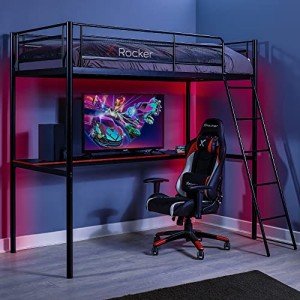
Loft Beds
A bed raised high off the ground, with space beneath for a desk, play location, or storage.
L-Shaped Bunk Beds
2 beds organized in an L-shape, offering more floor space and a distinct style aspect.
Twin Over Full Bunk Beds
These options include a twin bed on top and a full-sized bed on the bottom, accommodating older kids or adults.
Triple Bunk Beds
Designed for three kids, these beds normally consist of three stacked beds, ideal for larger households.
Security Features to Consider
Guaranteeing the security of kids utilizing bunk beds is vital. Here are some safety includes to try to find before making a purchase:
Guardrails
A bunk bed need to consist of tough guardrails on the leading bunk to prevent unintentional falls.
Ladders
Ensure that the ladder is safely attached and easy for kids to browse safely.
Stability
Search for bunk beds with lower centers of gravity and large bases to supply much better stability.
Quality Construction
Choose beds made from resilient products that satisfy safety standards, such as ASTM (American Society for Testing and Materials) regulations.
Frequently Asked Questions About Bunk Beds
1. What age is proper for a top bunk?Generally, kids aged six and older are recommended for sleeping in the top bunk. 2. Are bunk beds safe for toddlers?Most professionals advise against
positioning toddlers in the top bunk due to the
threat of falls and improper ladder use. 3. Can bunk beds be separated?Many bunk beds are developed to be separated into two standalone beds,
offering included versatility as children grow
. 4. How do I preserve a bunk bed?Regularly look for loose screws and wear, keep mattresses tidy, and guarantee that the bunk bed is
steady to prolong its life expectancy. 5.
Are there any unique mattress requirements for bunk beds?Yes, mattresses for bunk beds ought to fit comfortably without leaving spaces. Normally, thinner bed mattress
(around 6 to 8 inches )are recommended for leading bunks for safety. Bunk beds use a flexible, useful, and enjoyable option for kids's sleeping arrangements, optimizing space while accommodating numerous kids in one room. By considering the important elements
of style, security, and space, moms and dads can make an informed choice when choosing the right bunk bed for their kids's needs. With the best care and upkeep, a bunk bed can be a precious piece of furniture that supplies years of usage and satisfaction for children. Summary Table of Bunk Bed Styles Style Description Best For Standard Bunk Beds Classic style, 2 stacked beds Smaller sized spaces Loft Beds Raised bed with open space beneath Research study or play areas L-Shaped Bunk Beds Two beds in an L-shape