NATURECERT ACADEMY – Trusted Online Certification Learning
Trang blog
Best Conservatory Repair: A Comprehensive Guide
Conservatories, likewise known as sunrooms or glass spaces, are a popular addition to lots of homes, providing a space that bridges the gap in between indoor and outdoor living. However, like any structure, conservatories need regular maintenance and occasional repairs to ensure they stay practical, safe, and aesthetically pleasing. This detailed guide will check out the very best practices for conservatory repair, from determining typical issues to performing reliable solutions.
Understanding Common Conservatory Issues
Before diving into the repair procedure, it's vital to understand the common issues that conservatories face. These can range from small cosmetic problems to more significant structural concerns. Here are a few of the most regular issues:

Leaking Roofs and Windows
- Causes: Poor sealing, damaged glazing, or worn-out rubber gaskets.
- Signs: Water discolorations on the ceiling, wetness, or puddles on the floor.
Structural Damage
- Causes: Age, weather direct exposure, or bad installation.
- Signs: Cracks in the frame, loose panels, or creaking noises.
Condensation
- Causes: Insufficient ventilation, poor insulation, or high humidity.
- Symptoms: Foggy windows, moist surface areas, and mold growth.
Fading or Discoloration
- Causes: UV exposure, harsh weather, or low-quality products.
- Signs: Yellowing of the frame, peeling paint, or stained glass.
Faulty Doors and Windows
- Causes: Wear and tear, misalignment, or damaged hardware.
- Signs: Difficulty opening or closing, drafts, or rattling.
Actions to Identify and Address Conservatory Issues
Routine Inspections
- Conduct a comprehensive assessment of your conservatory at least twice a year. Inspect for any signs of damage, wear, or degeneration.
Check Seals and Gaskets
- Examine the seals around windows and doors. Replace any that are cracked, worn, or no longer offer a tight seal.
Assess Structural Integrity
- Search for any signs of structural damage, such as cracks or loose panels. If you discover any issues, it's crucial to address them promptly to prevent additional damage.
Assess Insulation and Ventilation
- Ensure that your conservatory has sufficient insulation and ventilation. Poor insulation can result in condensation and energy loss, while insufficient ventilation can cause moisture and mold development.
Clean and Maintain
- Regular cleaning can help prevent many common issues. Use a mild cleaning agent and water to clean the glass and frames. For more persistent spots, think about utilizing a specialized cleansing solution.
Best Practices for Conservatory Repair
Roof and Window Leaks
- Immediate Action: Place containers or towels to catch water and avoid damage to the flooring.
- Long-Term Solution: Re-seal or replace damaged glazing and rubber gaskets. Consider using a premium sealant developed for conservatories.
Structural Repairs
- Immediate Action: Secure any loose panels or frames to prevent further damage.
- Long-Term Solution: Consult a professional to assess the extent of the damage and suggest the best strategy. This may consist of enhancing the structure or changing damaged parts.
Condensation Management
- Immediate Action: Use dehumidifiers or fans to reduce wetness levels.
- Long-Term Solution: Install extra ventilation, such as trickle vents or a mechanical ventilation system. Think about updating to double or triple-glazed windows for better insulation.
Fading and Discoloration
- Immediate Action: Apply a protective coating to the impacted locations.
- Long-Term Solution: Replace any severely damaged or tarnished elements. Choose premium, UV-resistant materials for future setups.
Faulty Doors and Windows
- Immediate Action: Lubricate hinges and tracks to enhance functionality.
- Long-Term Solution: Replace any damaged hardware and make sure that doors and windows are correctly aligned. Consider upgrading to more resilient and energy-efficient options.
When to Call a Professional
While lots of conservatory repairs; just click the up coming page, can be managed by house owners, there are times when professional assistance is needed. Here are some situations where it's best to employ a specialist:
- Structural Damage: If you observe substantial cracks or damage to the frame, a professional can examine the extent of the damage and advise the best repair method.
- Complex Repairs: For issues that need specialized tools or knowledge, such as replacing big areas of the roof or windows, a professional can guarantee the task is done correctly and securely.
- Warranty Issues: If your conservatory is still under warranty, a professional can help you browse the guarantee process and ensure that repairs are covered.
Frequently asked questions
Q: How often should I examine my conservatory?A: It's advised to inspect your conservatory a minimum of two times a year, preferably in the spring and fall, to catch any issues before they end up being major issues.
Q: Can I fix a leaking roof myself?A: Minor leaks can often be repaired with a great sealant, however more considerable issues might need professional help to guarantee the repair is efficient and long-lasting.
Q: What can I do to prevent condensation in my conservatory?A: Improving ventilation and insulation are essential. Consider installing trickle vents, utilizing dehumidifiers, and updating to double or triple-glazed windows.
Q: How do I choose the ideal products for my conservatory repair?A: Look for high-quality, UV-resistant materials that appropriate for the specific conditions of your conservatory. Talk to a professional to ensure you make the best choices.
Q: Is it affordable to repair a conservatory, or should I think about replacing it?A: The cost-effectiveness of repair versus replacement depends on the degree of the damage. Small repairs are typically more cost-effective, but if the damage is substantial, replacement may be the much better long-term solution.
Keeping and repairing your conservatory is important to guarantee it stays a practical and enjoyable part of your home. By comprehending common issues, following best practices, and knowing when to hire a professional, you can keep your conservatory in leading condition for many years to come. Regular maintenance and prompt repairs can help you prevent more substantial issues and guarantee that your conservatory continues to offer a stunning and comfy space for your household to take pleasure in.
B197 Abroad: A Comprehensive Guide for International Travelers
Taking a trip abroad is an enriching experience that exposes individuals to various cultures, languages, and lifestyles. In this guide, we will explore numerous elements of traveling internationally and how to navigate the intricacies that often arise.

Understanding B197 Abroad
B197 refers to a specific category of international travelers, especially those who are on a journey for work, study, or leisure. While the term might not be generally acknowledged, it encapsulates the core essence of those who venture beyond their home countries for varied factors.
International travel, specifically for B197 tourists, involves numerous factors to consider, such as visa requirements, cultural differences, safety preventative measures, and logistical planning. This short article will provide an in-depth structure for those seeking to embark on an international journey.
Planning Your Trip
Before starting any international journey, extensive planning is vital. Below is a structured method to making sure a smooth travel experience:
Research Your Destination:
- Understand the regional culture, registrierten führerschein kaufen (code-proxy.i35.nabix.ru official website) language, and customs.
- Examine the climate and plan your outfit appropriately.
Visa and Documentation:
- Determine whether a visa is required for your destination.
- Ensure your passport stands for at least 6 months beyond your prepared departure date.
Health Considerations:
- Schedule a see to a doctor to deal with any health issues.
- Examine if vaccinations are required for your travel location.
Finance Management:
- Notify your bank of your travel prepares to prevent service interruptions.
- Understand regional currency exchange rates and consider obtaining some local currency before arrival.
Travel Insurance:
- Invest in travel insurance that covers medical emergency situations, journey cancellations, and lost possessions.
Logistics of Travel
Upon completing the preparation stage, B197 tourists must deal with the logistics of their journey. Here are vital logistics to think about:
Transportation
- Research and book flights early to receive the finest rates.
- Consider local transportation choices such as public transit, car rentals, ride-sharing services, or strolling.
Lodging
- Pick accommodation that fits your budget and requires, whether it be hotels, hostels, or getaway rentals.
- Inspect online evaluations and rankings for a much better understanding of the quality.
Packing Tips
Basics:
- Passport, visa, and travel files.
- Individual products, including toiletries and medications.
Clothes:
- Pack according to your location's environment.
- Include versatile pieces that can be dressed up or down.
Tech Essentials:
- Chargers and adapters suitable for your destination.
- Portable gadgets like smart devices, tablets, and laptop computers, if essential.
Cultural Awareness
Comprehending cultural distinctions is crucial for B197 tourists. This not only improves the travel experience but likewise promotes regard and favorable interactions with locals. Here are a couple of pointers to navigate cultural distinctions:
- Language: Familiarize yourself with fundamental expressions in the local language.
- Dress Code: Respect local customs relating to outfit, especially when going to religious websites.
- Etiquette: Learn about dining and social etiquette particular to the region.
Security Precautions
Safety should constantly be a top priority for international travelers. Here are some practical safety suggestions:
Stay Informed:
- Keep abreast of regional news and federal government travel advisories.
Emergency Contacts:
- Save important telephone number, including your nation's embassy and local emergency situation services.
Limit Personal Information:
- Avoid sharing delicate information with complete strangers.
- Beware when using public Wi-Fi networks.
FAQs About Traveling Abroad
1. What is the most crucial document needed for international travel?The most essential file is a valid passport, together with any needed visas particular to your location. 2. How can I make sure that my
health is secured while traveling?Schedule an assessment with a doctor before your trip, acquire required vaccinations, and consider travel insurance that covers medical emergencies. 3. What ought to I do if my passport gets lost or stolen?Report the loss to the regional authorities
and your embassy instantly. They can assist in releasing a replacement passport. 4. Are there any cultural practices I should understand of?Yes, research your location's cultural standards, including regional humor, dining rules, and social customs. 5. How should I handle my money while abroad?Notify your bank of your travel
plans, utilize credit cards when possible, and bring a percentage of regional currency for immediate expenditures. Taking a trip abroad as a B197 tourist can be both exciting and daunting. Nevertheless, with mindful preparation, cultural awareness, and safety preventative measures, people can take pleasure in an enhancing experience that expands their understanding of the world. By putting in the time to inform oneself and prepare sufficiently, the journey becomes not simply a passage to a brand-new area, but a meaningful experience filled with growth and discovery. Travel significantly broadens point of views, and for those starting the journey of B197 abroad, the world is both a class and a canvas, waiting for their footprints. Safe travels!

Navigating the IELTS: Understanding the Test and Avoiding Scams
The International English Language Testing System (IELTS) is an internationally recognized English language efficiency test that is taken by countless people each year. It is a crucial requirement for individuals looking for to study, work, or move to English-speaking nations. The test evaluates a prospect's capability in listening, reading, composing, and speaking. However, the high stakes related to the IELTS have actually led to an expansion of rip-offs, consisting of deals to "buy" IELTS certificates. This post aims to supply a comprehensive introduction of the IELTS, its significance, and why acquiring a certificate is not only dishonest however also illegal.
What is the IELTS?
The IELTS is jointly managed by the British Council, IDP: IELTS Australia, and Cambridge Assessment English. It is created to evaluate the language proficiency of non-native English speakers who wish to study, work, or live in English-speaking countries. The test is readily available in 2 formats: Academic and General Training.
- Academic IELTS: This format appropriates for individuals who wish to study at an undergraduate or postgraduate level or join a professional organization in an English-speaking country.
- General Training IELTS: This format is created for people who are planning to migrate to an English-speaking country or who are seeking to train or study at a below-degree level.
The IELTS Test Structure
The IELTS test is divided into four areas, each designed to examine different elements of language proficiency:
- Listening (30 minutes): Candidates listen to 4 tape-recorded texts and address concerns based upon what they hear. The texts range from a discussion in between two people to a monologue on an academic subject.
- Checking out (60 minutes): The Academic variation consists of 3 long texts of increasing problem, while the General Training variation includes texts from books, publications, newspapers, and business handbooks.
- Composing (60 minutes): The Academic variation requires prospects to compose a 150-word report describing a graph, table, or diagram, followed by a 250-word essay. The General Training version includes a letter and a 250-word essay.
- Speaking (11-14 minutes): This area is an in person interview with an examiner. It consists of a discussion about familiar subjects, a short speech, and a discussion.
Why is the IELTS Important?
The IELTS is acknowledged by over 10,000 organizations worldwide, consisting of universities, companies, expert bodies, and immigration authorities. A great IELTS score can open doors to:
- University Admissions: Many universities need a minimum IELTS score for admission to their programs.
- Work Opportunities: Employers in English-speaking countries frequently require a specific level of English proficiency, which the IELTS can show.
- Migration: Many countries, such as Canada, Australia, and the UK, use IELTS ratings as part of their migration criteria.
The Risks of Buying an IELTS Certificate
In spite of the importance of the IELTS, some individuals are lured to take shortcuts by purchasing a certificate. This practice is extremely dishonest and illegal, and it can have serious consequences:
- Legal Consequences: Buying or selling a fake ielts Certificate buy certificate is a crime. If captured, individuals may deal with legal action, consisting of fines and imprisonment.
- Reputation Damage: If a person is found to have actually used a fake certificate, their reputation can be irreparably harmed. This can affect their future instructional and employment opportunities.
- Lost Money: Scammers frequently require large amounts of cash for fake certificates, leaving people out of pocket and with nothing to reveal for it.
- Ineligibility: Using a fake certificate can lead to immediate disqualification from the program or task for which the certificate was intended.
How to Avoid IELTS Scams
To prevent coming down with IELTS frauds, it is vital to follow these standards:
- Official Channels: Always register for the IELTS through authorities channels, such as the British Council, IDP: IELTS Australia, or Cambridge Assessment English.
- Research study: Verify the credibility of any organization or private offering IELTS preparation or registration services.
- Watch Out For Promises: If an offer appears too good to be true, it most likely is. Nobody can guarantee a particular score or provide a faster way to passing the test.
- Report Suspicious Activity: If you discover a rip-off, report it to the appropriate authorities and the main IELTS companies.
FAQs About the IELTS
Q: How long is the IELTS test legitimate?
A: The IELTS test stands for 2 years. Nevertheless, some companies might accept ratings that are older, depending upon their specific requirements.
Q: How do I sign up for the IELTS?
A: You can sign up for the IELTS through the official websites of the British Council, IDP: IELTS Australia, or Cambridge Assessment English. The registration procedure includes submitting an application form, paying the test fee, and picking a test date and location.
Q: How can I get ready for the IELTS?
A: There are numerous ways to get ready for the IELTS, consisting of:
- Practice Tests: Take practice tests to acquaint yourself with the format and types of questions.
- Study Materials: Use main IELTS research study products, such as practice books and online resources.
- Language Courses: Enroll in an English language course to improve your total proficiency.
- Mock Interviews: Practice speaking with a tutor or a friend to enhance your speaking abilities.
Q: What is the IELTS band score?
A: The IELTS band score varies from 0 to 9, with 9 being the highest. Each area of the test (Listening, Reading, Writing, and Speaking) is scored independently, and the overall band score is the average of the 4 area scores.
Q: Can I retake the IELTS if I am not pleased with my score?
A: Yes, you can retake the IELTS as often times as you like. However, it is essential to wait at least 90 days in between test efforts to allow time for improvement.
The IELTS is a valuable tool for individuals looking for to study, work, or reside in English-speaking countries. While the test can be challenging, it is essential to approach it with integrity and commitment. Acquiring a fake IELTS certificate is not just unethical but likewise unlawful and can have severe consequences. By preparing completely and taking the test through official channels, candidates can achieve their objectives and open doors to new opportunities.

Can I Buy an IELTS Certificate Online? Everything You Need to Know
In today's digital world, where almost everything is readily available online, there's an increasing pattern of individuals looking for shortcuts for numerous goals. Among these, the demand to "buy ielts certificate an IELTS certificate online" has actually become a hot topic. This practice may appear appealing to those who are unable to satisfy the high standards of the International English Language Testing System (IELTS) however still need the credentials to move, research study, or operate in English-speaking nations. However, delving deeper into this concern sheds light on the legal, ethical, and future dangers involved.
This short article provides a comprehensive expedition of whether it is possible, the repercussions of attempting to do so, and the suggested legitimate options to getting an IELTS certificate.
What is the IELTS and Why is it Important?
IELTS, short for the International English Language Testing System, is a globally acknowledged examination designed to examine the English language efficiency of non-native speakers. It is frequently required for:
- Higher education: Universities and colleges in nations like the UK, the US, Canada, Australia, and New Zealand need IELTS scores for international trainees.
- Migration: IELTS is frequently utilized as proof of English language ability for visa applications in countries such as Canada, Australia, and the UK.
- Employment: Professional companies and companies might request this certificate to ensure prospects can interact effectively in English.
IELTS assesses four key language abilities: Listening, Reading, Writing, and Speaking. The assessment is rigorous, and the scores show a person's ability to utilize English effectively in different contexts.
Can You Buy an IELTS Certificate Online?
The simple response is: Yes, it is technically possible, but it is neither legal nor ethical, and it includes various risks.Several online
platforms and deceitful individuals declare to provide "genuine" IELTS certificates for sale. They attract students, job seekers, and migrants who either can not attain their wanted IELTS scores through conventional means or desire to bypass the testing process entirely. Nevertheless, these guarantees are filled with danger.
The Risks of Buying an IELTS Certificate Online
While the concept of getting an IELTS certificate with little to no effort may sound enticing, it is necessary to comprehend the severe repercussions that can develop.
Risk of Fraud and Scams
- Lots of websites and people promoting "genuine IELTS certificates" are frauds intending to exploit unsuspecting individuals.
- Purchasers run the risk of paying large amounts of cash only to get a fake certificate or absolutely nothing at all.
Legal Repercussions
- Possessing or utilizing a fake IELTS certificate is thought about scams in many countries.
- It can result in serious legal action, including fines, deportation, and a permanent restriction from getting in specific countries.
Harm to Your Reputation
- Institutions carefully verify IELTS results directly with authorized companies such as the British Council, IDP, or Cambridge Assessment English.
- If your deceitful activity is found, your academic or expert track record can be irrevocably harmed.
Increased Scrutiny for Others
- The increase of such dishonest practices forces authorities to enforce stricter steps, making the process more tough for truly deserving prospects.
Unprepared for Real-Life Challenges
- Acquiring an IELTS accreditation illegitimately deprives people of the chance to genuinely enhance their English language abilities, which are important for academic and expert success in English-speaking countries.
How to Avoid Fake Offers
If you are lured by the idea of purchasing an IELTS certification, pause and consider the following:
- Verify Authenticity: Always rely on main sources such as the British Council, IDP, or Cambridge Assessment English for any IELTS-related details.
- Avoid "Too Good to Be True" Offers: If a site promises quick outcomes with no effort on your part, it is likely a scam.
- Look for Credentials: Fake sites and services frequently utilize poor spelling, generic email addresses, or make unverifiable claims.
- Ask Questions: Fraudulent sellers might prevent offering specific and direct answers about the accreditation process.
Keep in mind, an authentic IELTS certificate is only offered by official testing centers after completing the evaluation and satisfying the required requirements.
Legitimate Ways to Prepare for IELTS
Rather than risking your future with deceitful activities, consider the following tips to prepare effectively for your IELTS exam:
- Enroll in Coaching Classes: Many certified institutions use IELTS preparation classes led by knowledgeable instructors.
- Practice Regularly: Download main practice tests or purchase IELTS preparation books to enhance your skills.
- Usage Online Resources: Websites and platforms such as the British Council and IDP use free study materials and online mock tests.
- Sign Up With Study Groups: Collaborate with peers getting ready for the IELTS exam to share suggestions, strategies, and motivation.
- Engage with English Media: Read books, watch English-language motion pictures, and listen to podcasts to improve your vocabulary, grammar, and listening skills.
FAQs About Buying IELTS Certificates
Q1. Is it unlawful to buy an IELTS certificate online?Yes, purchasing an IELTS certificate online is prohibited. It violates ethical and legal standards and can cause major consequences, including legal action and damage to your track record and career. Q2. Can fake IELTS certificates be
detected?Absolutely. Genuine IELTS certificates are provided by designated
authorities such as the British Council, IDP, or Cambridge English. Companies, universities, and migration officials confirm ratings straight with these organizations, making it simple to identify fake certificates. Q3. Just how much does it cost to sign up for a legitimate IELTS exam?As of 2023, the main expense of signing up for an IELTS exam varies in between ₤ 215 and ₤ 250, depending upon your country and location. Q4. What ought to I do if I struggle to pass the IELTS exam?If you're having trouble accomplishing your wanted score, consider enrolling in test preparation courses, looking for assistance from tutors, or practicing regularly. There are also alternative English proficiency examinations, such as the TOEFL or PTE, depending on the requirements of your designated organization or organization. Q5. Can purchasing an IELTS certificate affect visa approval?Yes. Submitting a fraudulent IELTS certificate can cause visa rejection, deportation, and legal actions that might permanently affect your ability to enter certain countries.
While the web might be brimming with ads assuring to
let individuals" buy IELTS certificates online," such practices are fraught with risks and negative effects. It is neither a legal nor ethical option, and the consequences can
have lasting effects on your career, education, and personal life. Rather, investing effort and time in improving your English language skills and preparing for the exam is a more worthwhile and honorable path. The IELTS exam is designed to be challenging, but with dedication and the ideal resources, anyone can achieve their wanted score and make their certificate
legally. Choosing the ethical route not only makes sure that you remain on the right side of the law, however also equips you with the self-confidence and skills necessary to flourish in English-speaking environments. Avoid shortcuts and embrace genuine effort-- it's a financial investment in yourself and your future.

Understanding Composite Door Damage: Causes, Prevention, and Repair
Composite doors have gained enormous popularity in the last few years due to their appealing look, toughness, and energy effectiveness. These doors are constructed from a variety of products, consisting of wood, fiberglass, and PVC, which integrate to provide the finest of all worlds. Nevertheless, like any other exterior element, composite doors are not invulnerable to damage. Understanding the various kinds of composite door damage, their causes, prevention techniques, and repair methods can assist property owners make informed choices to secure their financial investments.

Types of Composite Door Damage
Composite doors can experience a number of kinds of damage, each arising from different causes. The most typical types of damage include:
Surface Scratches and Dents: These are frequently brought on by effects from furnishings, heavy bags, or equipment.
Weathering or Fading: Continuous exposure to sunlight, rain, and other aspects can lead to staining or fading of the door's finish.
Contorting: High humidity or wetness can trigger the door to warp, affecting its ability to close and seal effectively.
Cracks and Splits: Temperature fluctuations can cause the products in a composite door to broaden and agreement, resulting in fractures or divides.
Water Damage: Prolonged exposure to wetness can lead to rot, specifically in the door's core or surrounding frame.
Lock and Mechanism Failure: The door's locking system might stop working due to wear and tear or because of external effects.
Reasons For Composite Door Damage
Understanding the underlying aspects that lead to composite door damage is crucial for avoidance. The main causes include:
Environmental Factors: Weather changes can take a toll on composite doors. Intense sunshine can fade the door, while rain and humidity can lead to swelling and contorting.
Physical Impact: Regular wear and tear from everyday activities can lead to scratches and damages. Additionally, improper handling during installation can trigger long-lasting issues.
Poor Maintenance: Lack of regular maintenance, such as not cleaning the door correctly or disregarding to repaint it, can accelerate degeneration.
Inadequate Sealing: If the door is not effectively sealed throughout installation, wetness can get in and damage the products, resulting in rot and mold growth.
Preventing Composite Door Damage
Preventing damage to composite doors relies greatly on proactive care and maintenance. Here are some important strategies to safeguard your door:
Regular Cleaning: Use a mild detergent and water to clean up the door routinely. Avoid abrasive materials that can scratch the surface area.
Appropriate Sealing: Ensure that the door has been effectively sealed during setup to defend against moisture intrusion.
Regular Inspections: Conduct regular evaluations of your door and its elements to capture any early indications of damage.
Security from Physical Damage: Be cautious while moving heavy items around the door area. Consider setting up door stops to avoid effects.
Painting and Finishing: Refinish or repaint the door as required to preserve its appearance and supply a protective layer against the components.
Install a Storm Door: A storm door can offer an extra layer of security versus extreme weather and add durability to the primary door.
Fixing Composite Door Damage
When damage does happen, various repair approaches can be employed depending upon the intensity and type of damage.
For Surface Scratches and Dents:
- Buffing or Polishing: Use a light rubbing compound to polish out small scratches.
- Touch-Up Paint: For much deeper scratches, a touch-up paint that matches the door's color can camouflage imperfections.
For Warping:
- Adjusting the Hinges: Sometimes, changing the hinges can fix minor warping issues.
- Professional Help: Severely deformed doors might need experts to replace or straighten them.
For Cracks and Splits:
- Epoxy or Filler: Small cracks can be filled with epoxy resin or specialized door fillers.
- Replacement Panels: In cases where the damage is extensive, think about changing the damaged panel.
For Water Damage:
- Drying: If water damage is found, the door needs to be dried thoroughly, and any rotting materials replaced.
- Sealant Application: Apply water resistant sealant to prevent future wetness seepage.
For Lock and Mechanism Failures:
- Lubrication: Regularly oil the lock systems to guarantee smooth operation.
- Replacement Parts: If parts are damaged, replacement locks or systems should be set up.
FAQs About Composite Door Damage
Q: How long does a composite door generally last?A: With
proper maintenance, composite doors can last up to 30 years or longer.
Q: Can I paint my composite door?A: Yes,
composite doors can be painted, however it is necessary to use the ideal type of paint that is compatible with the door's product.
Q: How do I understand if my composite door requires repairs?A: Signs consist of visible warping, trouble in locking/unlocking, or visible water damage. Q: Are composite doors more susceptible to damage than wood doors?A: While each kind of door has its vulnerabilities, composite doors are
generally more resistant to weather-related damage compared to conventional wood doors. Q: What is the very best method to preserve a composite door?A: Regular cleaning, yearly inspections, and timely repairs are vital for maintaining the durability of composite Door repair near me doors. Composite doors supply a fantastic mix of looks, toughness, and energy effectiveness. However, like any home feature, they are not
immune to damage. By understanding the kinds of damage that can take place, the causes behind them, and reliable avoidance and repair techniques, property owners can make sure that their composite doors remain a valuable and attractive entrance for years to come. Regular maintenance and attention to information can protect the appearance and integrity of these doors, enabling them to serve their purpose effectively.
Understanding Damaged Conservatory Seals: Causes, Consequences, and Solutions
Conservatories have become a popular addition to lots of homes, providing an abundance of natural light and a comfortable space to relax. However, like any structure, they need maintenance to remain functional and safe. Among the most common issues dealt with by conservatory owners is damaged seals. This article will dive into the causes, effects, and services for Damaged Conservatory Seals (Http://8.137.62.52/), offering readers with an extensive understanding of this often-overlooked issue.
What are Conservatory Seals?
Conservatory seals are typically silicone or rubber strips created to produce a tight barrier between the glass panels and the frame. These seals are vital for keeping insulation, preventing drafts, and protecting the interior from moisture and pollutants. In time, these seals can weaken due to different aspects, leading to inefficiency and damage.
Causes of Damaged Conservatory Seals
Comprehending the typical causes of damaged seals is necessary for property owners wanting to maintain their conservatories. Here are a few of the main reasons:
Weathering: The natural elements can take a toll on conservatory seals. UV exposure from the sun can trigger seals to become fragile and crack, while severe temperature level fluctuations can cause expansion and contraction, more damaging the seals.
Poor Installation: Inadequately set up seals might not abide by the surface areas correctly. If installers do not guarantee a tight fit during installation, the seals are more vulnerable to breakage and leaks.
Age: Like any part of a structure, conservatory seals have a life expectancy. Over time, seals can lose their effectiveness, becoming less durable versus the aspects.
Mechanical Damage: Heavy objects falling or impacts from tree branches, for example, can physically damage seals, leading to compromised insulation and leaks.
Absence of Maintenance: Neglecting regular maintenance can exacerbate existing issues. Dirt, particles, and mold can collect, causing early wear and tear.
Consequences of Damaged Conservatory Seals
The effects of failing to attend to damaged seals can be far-reaching. Here are some possible effects:
Increased Energy Costs: Damaged seals compromise insulation, resulting in greater energy costs as heating & cooling systems work harder to preserve comfortable temperatures.
Condensation and Mold Growth: Broken seals permit wetness to permeate, leading to condensation buildup inside the conservatory. Excess moisture can cultivate the development of mold and mildew, which poses health threats.
Structural Damage: Persistent leaks from damaged seals can cause water damage, compromising the structural stability of the conservatory and surrounding areas.
Unpleasant Living Space: Drafts and temperature variations can make the conservatory an uncomfortable space to unwind, ultimately affecting its intended use.
Decreased Property Value: A conservatory in disrepair, with visible damage such as mold or drooping structures, can diminish the overall appeal of a home, decreasing its market price.
How to Inspect and Maintain Conservatory Seals
Regular evaluation and maintenance can help extend the life of conservatory seals. Property owners can follow these standards:
Checklist for Inspection
- Visual Inspection: Examine the seals for fractures, gaps, or noticeable wear. Look for signs of mold or water ingress along the edges.
- Examine for Drafts: On a windy day, run your hand along the edges of the seals to feel for any cold drafts indicating spaces.
- Evaluation Interior Conditions: Are there indications of moisture buildup or mold in corners or along edges of the conservatory? If so, this might point to seal failure.
Tips for Maintenance
- Regular Cleaning: Use moderate soap and water to clean up the seals, eliminating dirt or particles that can impact adhesion.
- Reapplication of Seals: If seals have weakened substantially, consider reapplying new silicone or replacing the rubber seals altogether.
- Professional Inspections: Engage a professional to evaluate the seals every few years, especially if your conservatory is older or has experienced substantial wear.
Solutions for Damaged Conservatory Seals
When it comes to addressing damaged conservatory seals, several alternatives are offered. Here is a list of prospective services:
DIY Repairs: For small fractures, property owners can clean up the affected area and use a premium silicone sealant. Guarantee the area is dry before application for optimal adhesion.
Seal Replacement: If the seals are extensively used or split, they may require to be replaced entirely. This procedure usually involves eliminating old seals and sticking brand-new ones that are suitable with your conservatory structure.
Professional Help: For significant damage, hiring a professional might be the best choice. Specialized specialists have the experience and tools needed to efficiently repair or change seals and deal with any underlying issues contributing to seal failure.
Preventive Measures: After addressing current seal issues, homeowners can take actions to prevent future damage. This includes routine cleaning, using UV protective films to the glass, and guaranteeing appropriate drain around the conservatory to avoid water build-up around the seals.
Frequently Asked Questions about Damaged Conservatory Seals
Q1: How often should I examine my conservatory seals?It is suggested to
examine your conservatory seals a minimum of twice a year, ideally in the spring and fall, to determine any signs of wear or damage.
Q2: Can I repair conservatory seals myself?Minor repairs
, such as filling cracks or little spaces with sealant, can typically be done by property owners. Nevertheless, for comprehensive damage or replacement, seeking advice from a professional is suggested.
Q3: What kind of sealant is best for conservatory seals?A top quality silicone sealant designed for outdoor usage is usually the best choice for repairing or replacing damaged seals, as it is weather-resistant and has excellent adhesive residential or commercial properties. Q4: How do I understand if my conservatory seals are beyond repair?If you
are consistently experiencing drafts, leaks, or noticeable mold development regardless of repair attempts, it might be time to change the seals entirely. Q5: What can I do to avoid seal damage?Regular maintenance, consisting of cleansing seals and making sure correctdrainage, can help avoid seal damage.
In addition, installing UV protective movies can minimize wear from sunlight direct exposure. In conclusion, maintaining conservatory seals is essential for the durability and comfort of these treasured areas.
By understanding the causes, consequences, and solutions associated with damaged seals, property owners can secure their investments, guaranteeing their conservatories remain beautiful and functional for many years to come.
The Underbelly of Counterfeit Currency: Understanding Risks and Ethics of Buying Counterfeit Money Discreetly
In an age where financial deals can accompany a simple swipe of a finger, the undercurrent of illicit activity, especially counterfeit money, is a problem that can not be neglected. The act of buying counterfeit money, nevertheless discreetly, is participating in prohibited activity that has significant effects. This post digs into the temptation, methods, and implications connected with getting counterfeit currency, stressing the ethical responsibility toward legality and credibility.

Comprehending the Allure of Counterfeit Currency
Counterfeit currency, or fake money, has actually constantly been an alluring prospect for those seeking to participate in scams or look for a short-cut to wealth. The reasons behind the interest in counterfeit money can vary:
Financial Instability: Individuals dealing with economic challenge might think about counterfeit money as a fast option to their financial predicaments.
Consumerism: In a society driven by consumerism, the allure of getting items without legitimate monetary methods can be tempting.
Lack of knowledge of Consequences: Some might underestimate the threats and legal ramifications of having counterfeit money.
How Counterfeit Money is Purchased
The techniques by which counterfeit money can be discreetly obtained are numerous, however they typically bring substantial threats. Here are some common opportunities checked out by people seeking to obtain counterfeit currency:
Dark Web marketplaces: Online platforms running in the dark web often host prohibited transactions including the sale of counterfeit money. While these might claim to offer privacy, users are susceptible to frauds and police attention.
Street Vendors: In some city areas, individuals might experience street sellers offering counterfeit costs. This technique allures purchasers in an environment filled with risk, as there is no guarantee of quality or safety.
Social Network Groups: Nowadays, closed groups on platforms like Facebook or Telegram provide networking areas where counterfeit expenses are gone over and offered. Again, these transactions are laden with risk in regards to legal ramifications.
Local Criminal Networks: Some individuals may turn to regional criminal companies or gangs for counterfeit money, where trust is needed, increasing the danger of such transactions.
The Risks Involved
While the desire for counterfeit money may come from a perceived monetary advantage, the dangers involved are significant and far-reaching:
Legal Consequences
Participating in the counterfeit currency market can lead to serious legal effects, ranging from heavy fines to jail time. The U.S. Secret Service, for instance, has rigorous charges for counterfeiting, which includes belongings, production, and circulation.
Financial Loss
Obtaining counterfeit money likewise includes the capacity for monetary losses. Numerous dark web websites or street suppliers promulgate frauds, leaving buyers with useless costs and losing their money at the same time.
Social and Ethical Implications
The purchase and ownership of counterfeit money carry social stigmas and ethical factors to consider. It dilutes the integrity of socioeconomic systems, impacting sincere individuals and organizations alike.
Risk of Violence
Taking part in illicit deals, especially with unidentified celebrations, can include violent encounters. Owing money to the wrong individuals or getting captured up in criminal activities can have unsafe consequences.
Ethical Considerations
The choice to take part in the counterfeit currency market can significantly negatively effect society. Here are some ethical factors to consider to review:
Consequences for Businesses: Counterfeit money expense businesses billions in losses yearly. They typically pass these costs onto consumers in the type of greater rates.
Effect On Criminal Justice: Investing resources in examining and prosecuting counterfeiters diverts attention from other pressing social problems.
Individual Integrity: Buying counterfeit money weakens individual integrity and Hochwertige FäLschungen the social contract of commerce.
Alternatives to Counterfeit Money
For those facing monetary hardships, there are legal and ethical alternatives to counterfeit currency that need to be considered:
Financial Counseling: Many companies provide complimentary or inexpensive financial counseling to assist manage debts and enhance financial literacy.
Community Resources: Local charities and social organizations typically provide assistance, whether in food, clothes, or other assistances.
Freelancing Opportunities: Many online platforms allow individuals to monetize their skills and skills legally without the risks connected with counterfeit transactions.
FAQs
1. Is it unlawful to have counterfeit money?
Yes, having counterfeit money is unlawful and can result in serious legal repercussions, including fines and imprisonment.
2. Can I inform if money is counterfeit?
Yes, U.S. currency has several security features, including watermarks, color-shifting ink, and specialized paper. Acquainting oneself with these features can assist in identifying counterfeit costs.
3. What should I do if I receive a counterfeit costs?
If you receive a counterfeit expense, you should report it to local police or the U.S. Secret Service right away. It's crucial to not attempt to pass the note.
4. Why is counterfeiting bad for the economy?
Counterfeiting dilutes the worth of currency, impacts services' incomes, and demands increased enforcement efforts, all of which can lead to greater rates for consumers.
While the temptation to buy counterfeit money discreetly may be attractive, the consequences far surpass the viewed benefits. Participating in such practices presents considerable legal, individual, and ethical threats, and endangers the integrity of society as a whole. People trying to find monetary relief are motivated to seek genuine channels that appreciate both the law and personal stability. Making ethical choices not only enriches one's character however likewise ensures a healthier economy for everybody.
Buying a Cot: A Comprehensive Guide for New Parents
Bringing a brand-new child into the world is an exhilarating journey, however it comes with a wide variety of obligations. Among the first purchases new moms and dads face is a cot, which is important for guaranteeing their baby's safety and convenience throughout sleep. This guide serves to supply information on how to choose the very best cot matched for a newborn's needs, the various types readily available, and crucial safety functions to consider.
Why a Cot is Essential for Your Baby
A cot offers a devoted sleeping space for infants, which is essential for their growth and development. Not only does it keep the baby safe and safe and secure, however it also promotes healthy sleep practices.
Secret factors to buy a cot consist of:
- Safety: Cots are created with security in mind, featuring strong construction and safety requirements that protect babies from accidents.
- Comfort: Most cots include mattresses created for babies, offering optimal support for a baby's establishing body.
- Convenience: Cots can ease the concern of nighttime feeding and diaper modifications, as they are designed to be quickly accessible.
Types of Cots
When aiming to buy a cot, brand-new parents will discover a range of types tailored to different needs and choices. Below is a comprehensive list of the various kinds of cots offered in the market:
Standard Cot:
- A traditional option, normally rectangular and constructed to accommodate a baby up until they are roughly 2 to three years of ages.
Convertible Cot:
- This type can be changed into a toddler bed or even a full-size bed, providing durability and value for money.
Travel Cot:
- Portable and lightweight, these are ideal for families who travel frequently or need a temporary sleep option. They can be quickly set up and taken down.
Moses Basket:
- A small, portable basket lined with soft products, appropriate for newborns. Ideal for keeping the baby close at hand throughout the early months.
Cradle:
- Rocking or fixed, cradles provide a calming movement to relieve infants to sleep and can be a visual addition to a nursery.
Co-Sleeper:
- Also referred to as a sidecar crib, this connects to the parent's bed enabling easy access to the baby during the night while preserving a separate sleeping area.
| Type of Cot | Appropriate Age | Key Feature |
|---|---|---|
| Requirement Cot | Up to 2-3 years | Steady and long lasting |
| Convertible Cot | Approximately 6+ years | Grows with the child |
| Travel Cot | Birth to 3 years | Light-weight and portable |
| Moses Basket | Newborn (up to 3-4 months) | Small and easily carried |
| Cradle | Newborn (approximately 6 months) | Calming rocking movement |
| Co-Sleeper | Newborn (as much as 6 months) | Close distance to parents |
Security Features to Look For
When purchasing a cot, safety needs to be a critical issue. Security requirements vary by country, but there are universal features that all cots should have:
Sturdy Construction: Ensure the cot is made from strong products that can endure use gradually.
Adjustable Mattress Height: Many cots featured adjustable base levels, enabling you to reduce the mattress as the baby grows.
Non-Toxic Materials: Verify that the paint, finishes, and fabrics used in the cot are devoid of hazardous chemicals.
Slat Spacing: Make sure that the distance in between the slats does not go beyond 6 centimeters (2.4 inches) to prevent the baby's head from getting trapped.

Stable Base: The cot should have a wide base to prevent tipping, especially when the baby begins standing and bouncing.
Compliance with Safety Standards: Check for certification sticker labels or security standards particular to your nation.
FAQs (Frequently Asked Questions)
1. What age can my baby start oversleeping a cot?
Many children can transition to a cot from a bassinet or Moses basket when they are about 3-4 months old, or when they start to push themselves up.
2. How do I make sure the cot is safe for my baby?
Always inspect that the cot adheres to security policies in your location. Inspect for any loose parts, sharp edges, or spaces that might present a threat.
3. What kind of mattress is best for a cot?
A company, flat mattress is perfect considering that it provides the very best support for your baby's body, lowering the threat of suffocation and promoting safe sleep.
4. The length of time can the cot be utilized?
A standard cot can usually be used till a child is about 2-3 years old, while convertible Top Rated cots can extend this use as they can be changed into bigger beds.
5. Is it safe for my baby to oversleep the co-sleeper?
Yes, as long as the co-sleeper meets safety standards and is safely attached to the moms and dad's bed, it supplies a safe sleeping environment.
The process of choosing the best cot can be overwhelming for new moms and dads, offered the increasing variety of alternatives available in the market. However, by comprehending the various types of cots and focusing on essential security functions, moms and dads can make an informed decision that will ensure their baby's convenience and safety.
As the baby grows, the cot can also become a valued safe house, providing relaxing sleep and a sanctuary that cultivates bonding between parent and kid. Ultimately, the right cot is more than just a piece of furniture; it's an essential financial investment in your baby's health and well-being.

Conservatory Roof Refurbishment: A Comprehensive Guide
Conservatories, frequently a valued extension of the home, provide a special blend of indoor and outside living areas. Nevertheless, over time, conservatory roofings can weaken, resulting in issues such as leaks, poor insulation, and aesthetic decline. Reconditioning a conservatory roof can breathe new life into this space, improving both its performance and appearance. This article looks into the process of conservatory roof refurbishment, using insights into the benefits, steps involved, and often asked questions.
The Importance of Conservatory Roof Refurbishment
Conservatory roofings are exposed to the elements, making them susceptible to use and tear. Gradually, they can establish issues such as:
- Leakage: Water infiltration can cause damage to the structure and interior.
- Poor Insulation: Inefficient insulation can cause high heating and cooling expenses.
- Visual Decline: Deterioration can make the conservatory look old and unappealing.
- Structural Issues: Weak or damaged roofing systems can present safety dangers.
Reconditioning the roof can deal with these issues, ensuring the conservatory stays a comfortable and attractive addition to the home.
Advantages of Conservatory Roof Refurbishment
- Improved Insulation: Modern roof materials offer better insulation, reducing energy expenses and improving thermal comfort.
- Visual Improvement: A new roof can change the look of the conservatory, making it a more inviting area.
- Increased Property Value: A properly maintained conservatory can include worth to the property.
- Extended Lifespan: Refurbishment can extend the life of the conservatory, postponing the requirement for a total replacement.
- Waterproofing: Addressing leaks and water damage can avoid expensive repairs in the future.
Actions Involved in Conservatory Roof Refurbishment
Assessment and Planning
- Inspection: A professional must inspect the current roof to determine issues and figure out the best strategy.
- Style: Decide on the kind of roof (e.g., solid, polycarbonate, glass) and any extra functions (e.g., skylights, ventilation).
- Allows: Check local structure guidelines and get any essential authorizations.
Preparation
- Clear the Space: Remove any furnishings or items from the conservatory to safeguard them throughout the work.
- Safeguard Surrounding Areas: Cover adjacent areas to avoid damage from particles.
Demolition
- Get Rid Of Old Roof: Carefully take apart the existing roof, making sure all products are dealt with properly.
- Look for Damage: Inspect the underlying structure for any damage that requires repair.
Setup
- Frame and Support: Install any essential framing or assistance structures to make sure the new roof is safe and secure.
- Roofing Material: Install the selected roofing material, ensuring it is appropriately sealed and secured.
- Finishing Touches: Add any extra features such as skylights, ventilation, or insulation.
Final Inspection
- Quality Check: Conduct a thorough evaluation to ensure the new roof is effectively installed and all elements are working.
- Tidy up: Remove all particles and tidy the conservatory to ensure it is all set for usage.
Types of Conservatory Roofs
- Solid Roofs: Offer exceptional insulation and a more traditional look. They are ideal for year-round use.
- Polycarbonate Roofs: Lightweight and resilient, supplying great insulation and a modern visual.
- Glass Roofs: Provide a bright, airy feel and appropriate for those who want a clear view of the sky.
- Tiled Roofs: Offer a classic appearance and exceptional insulation, though they can be heavier and more pricey.
Frequently Asked Questions (FAQs)
Q: How long does a conservatory roof refurbishment generally take?A: The period can vary depending on the size of the conservatory and the complexity of the project. Usually, it can take anywhere from 3 to 7 days.
Q: Do I need planning permission for a conservatory roof refurbishment?A: In many cases, a conservatory roof refurbishment does not need preparation permission, however it is constantly advisable to talk to local structure policies to make sure compliance.
Q: What are the expenses related to conservatory roof refurbishment?A: The cost can vary widely depending upon the materials used, the size of the conservatory, and the level of the work. Typically, costs can vary from ₤ 2,000 to ₤ 10,000.
Q: Can I refurbish the roof myself?A: While it is possible to carry out some aspects of the refurbishment, such as cleansing and small repairs, more comprehensive work needs to be managed by a professional to guarantee security and compliance with building policies.
Q: How do I select the ideal roof product?A: Consider factors such as insulation, aesthetic appeals, sturdiness, and spending plan. Speak with a professional to determine the very best material for your specific requirements.
Conservatory roof refurbishment is a beneficial investment that can enhance the convenience, look, and value of your home. By following the steps described in this guide and thinking about the numerous kinds of roof materials, you can guarantee an effective and gratifying refurbishment project. Whether you select a strong, polycarbonate, glass, or tiled roof, the end result will be a rejuvenated and practical space that you can enjoy for many years to come.
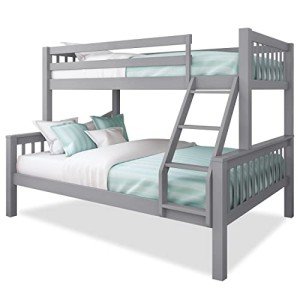
The Allure of Children's Beds with Slides: Design, Benefits, and Considerations
In the world of children's furniture, beds have evolved from mere sleeping spaces to dynamic, multi-functional environments that trigger creativity and engage creativity. Among these, children's beds with slides stick out as a wonderful blend of performance and fun. These playful styles serve a dual purpose: supplying a comfortable area for sleep while likewise offering an interesting escape for play. This article checks out the advantages of beds with slides, style factors to consider, and useful recommendations to optimize their use in kids's rooms.
What Are Children's Beds with Slides?
Children's beds with slides are, rather just, beds that include an integrated slide. They often take the type of lofted or bunk beds, where the sleeping location rises to enable space underneath for play or storage, thereby enhancing the space's performance. The slide component typically descends from the side of the bed, producing a thrilling experience for kids who take pleasure in the excitement of 'whooshing' down to the ground.
Advantages of Children's Beds with Slides
The appeal of kids's beds with slides goes beyond their whimsical appearance. Here are some engaging advantages:
1. Encourages Active Play
- Encouraging physical activity is important for kid development. A Childrens Bed With Slide with a slide provides an active play alternative within the comfort of home, promoting gross motor skills.
- Rather of jumping off or climbing up down, kids can safely slide to the ground, typically stimulating creative play.
2. Maximizes Space
- These beds normally utilize vertical space, offering a raised sleeping area while enabling storage or a play location underneath.
- This space-saving style is particularly advantageous in smaller sized spaces.
3. Promotes Imagination
- A bed with a slide can change a normal bedroom into a playground or a fort, promoting imagination and creative play.
- Children can create numerous circumstances, from pirate ships to castle scenarios, boosting their storytelling skills.
4. Boosts Independence
- Going up to bed and moving down gives kids a sense of control over their environment.
- This experience can foster independence and self-confidence as kids find out to navigate their space safely.
5. Easy Transition to Big Beds
- Parents frequently use beds with slides as a bridge from cribs to full-sized beds. The appealing design makes the transition smoother, turning bedtime into an interesting experience.
Design Considerations
When picking a kids's bed with a slide, several style aspects should be considered to guarantee safety and functionality. Below is a list of style elements to bear in mind:
Safety Features:
- Guardrails: Ensure the bed has actually effectively fitted guardrails to prevent falls, especially for lofted beds.
- Sturdy Construction: Verify that products are durable which the style supports the kid's weight.
- Slide Design: Choose slides with a steady slope and non-slip surface areas to decrease accidents.
Age-Appropriate Design:
- Height Consideration: Select a bed size that appropriates for your kid's age group; lower beds may be best for toddlers.
- Product Quality: Look for non-toxic materials and finishes that suit children.
Area Arrangement:
- Room Layout: Measure the room before purchasing to confirm that space permits for both the bed and the slide, thinking about space for movement and additional furnishings.
- Play Area: Ensure appropriate space underneath or around the bed for play or storage.
Visual Appeal:
- Themes: Many beds can be found in numerous styles (e.g., castles, lorries) that can fit your child's interests.
- Color Schemes: Choose colors that match existing space decoration while interesting your child's tastes.
Table 1: Quick Comparison of Bed Types
| Bed Type | Functions | Suggested Age Range | Pros | Cons |
|---|---|---|---|---|
| Easy Twin Bed | Fundamental design; no slide | 3+ | Cost-effective | Less interesting |
| Lofted Bed with Slide | Elevated with slide; storage underneath | 4+ | Space-saving; fun | Needs careful supervision |
| Bunk Bed with Slide | 2 beds; slide alternative | 6+ (upper bunk) | Great for siblings; playspace | Safety issues with upper bunk |
| Themed Bed with Slide | Embellished; frequently custom-made | 5+ | Aesthetic appeal; creative | Can be more expensive |
Keep in mind: The suggested age variety is a standard. Always consult product specifications and your child's capabilities when deciding.
Maintenance Tips
Preserving a clean and safe environment is vital when a slide is involved. Here are some pointers for maintenance:
- Regular Cleaning: Dust and wipe down surfaces, especially the slide, to avoid dust accumulation.
- Regular Safety Checks: Inspect screws, joints, and the slide for wear, guaranteeing everything is firmly attached.
- Teach Safe Use: Instruct children on safe play practices, such as sliding one at a time and not getting on the bed or railing.
Often Asked Questions (FAQs)
1. Are beds with slides safe for young children?
While kids's beds with slides can be safe for young children, moms and dads must focus on low-profile styles and ensure correct guidance.
2. What age is suitable for a bed with a slide?
The majority of children can securely utilize a bed with a slide from ages 3 years and up, however it eventually depends upon private maturity and the bed's design.
3. How do I select the best slide for my kid's bed?
It's important to think about the slide's height, slope, surface area product, and whether it's created for safe use by children.
4. Can I develop my own bed with a slide?
Yes, numerous moms and dads build customized beds. It's essential to follow safety guidelines and utilize quality products.

5. Do beds with slides require complex installation?
The majority of commercially offered beds with slides come with detailed guidelines, making installation simple, but some might require basic carpentry understanding for custom-made builds.
Kid's beds with slides are more than just a fashionable furniture piece; they serve multifaceted functions that support play, creativity, and self-reliance. When thoughtfully selected and well-maintained, these beds can end up being a main function of a child's room, promoting an enjoyable and safe sleeping environment. As children grow and their needs alter, discovering beds that balance aesthetic appeals with practicality can ensure they stay delighted about their areas for many years to come.