NATURECERT ACADEMY – Trusted Online Certification Learning
Trang blog
The Essential Guide to Buying a Treadmill: Making the Right Choice for Your Fitness Journey
Intro
Treadmills have actually ended up being a staple in home fitness equipment, coveted for their convenience and effectiveness in delivering cardiovascular workouts. Whether the objective is weight-loss, endurance training, or just maintaining an active lifestyle, a treadmill can serve as a vital tool. This guide will check out the special functions, advantages, and considerations connected with buying a treadmill. By the end of this post, readers will be fully equipped to make an educated choice customized to their individual fitness objectives.
Advantages of Owning a Treadmill
Owning a treadmill features a variety of advantages that contribute to an effective physical fitness regimen:
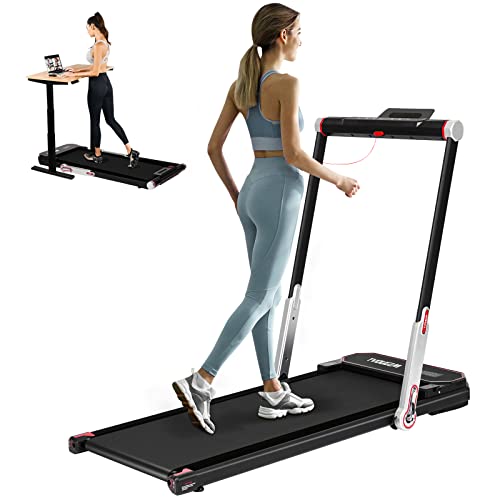
- Convenience: Treadmills provide the high-end of exercising in the convenience of your home, removing travel time to a gym.
- Weather Independence: With a treadmill, negative weather such as rain, snow, or extreme heat will not hamper exercise strategies.
- Controlled Environment: Users can handle the speed, slope, and workout period, supplying a more personalized workout regimen.
- Multifunctionality: Many modern treadmills have built-in programs that allow for interval training, hill workouts, and balance workouts, dealing with varied physical fitness levels.
- Area Saving Options: Many designs include foldable designs or compact sizes ideal for smaller sized homes.
Factors to Consider When Buying a Treadmill
When buying a treadmill, numerous factors need to be thought about. Below is a list of vital features and specs to try to find:
- Motor Power: A treadmill's motor power is determined in horse power (HP). For walking, a motor with at least 1.5 HP is suggested, while running might require motors with 2.5 HP or more.
- Belt Size: The size of the running belt is essential for comfort. Standard dimensions are generally in between 50 to 60 inches in length and 16 to 20 inches in width. Ensure the dimensions match your stride and activity.
- Shock Absorption: Some treadmills use sophisticated cushioning systems that decrease impact on joints, making it easier on the knees and back throughout exercise.
- Slope and Decline Settings: These features include diversity to exercises by replicating outdoor conditions and guaranteeing higher calorie burn.
- User Weight Capacity: Make sure to examine the maximum user weight capacity of the treadmill to guarantee resilience and safety.
- Show Console and Features: An user-friendly console that tracks time, speed, range, calories burned, and heart rate is a valuable addition.
- Guarantee and Support: An excellent guarantee signifies reliability. A treadmill should preferably have at least a 1-2 year service warranty on parts and a solid customer assistance service.
Budgeting for Your Treadmill
Before diving into the purchasing process, it is important to develop a budget plan. Treadmill rates can differ significantly based on features, brand name, and technology. Below is a rough evaluation of what you can expect:
| Treadmill Type | Rate Range |
|---|---|
| Handbook Treadmills | ₤ 100 - ₤ 300 |
| Standard Electric Models | ₤ 300 - ₤ 800 |
| Mid-Range Models | ₤ 800 - ₤ 1,500 |
| Advanced Models | ₤ 1,500 - ₤ 3,000+ |
Treadmill Types
Various kinds of treadmills are readily available in the market. Below are the main categories:
- Manual Treadmills: These operate without electricity and need the user to generate motion. They are normally more budget-friendly and take up less area.
- Electric Treadmills: These are powered by motors and supply a range of features consisting of predetermined programs, adjustable incline, and digital displays.
- Folding Treadmills: Ideal for conserving area, these treadmills can be folded when not in use and are typically lightweight.
- Business Treadmills: Designed for consistent, high-use environments, business treadmills are long lasting, including high horsepower and substantial exercise programs.
Maintenance and Care
To extend the lifespan of a treadmill, routine upkeep is essential. Here are crucial suggestions to think about:
- Lubrication: Check and lube the belt as recommended by the maker.
- Cleaning up: Regularly wipe down the treadmill surface and console to get rid of dust and dirt.
- Examine for Wear: Periodically check the belt for signs of wear or misalignment.
- Level the Treadmill: Ensure the treadmill is on a flat surface area to prevent slippage throughout usage.
Frequently asked questions about Buying a Treadmill
What should I look for in the best treadmill?You need to focus on motor power, belt size, shock absorption features, incline settings, user capacity, and guarantee.
How much should I spend on a treadmill?Rates differ widely. Fundamental models can begin at around ₤ 300, while sophisticated machines can go beyond ₤ 3,000.
Are folding treadmills less durable?Not necessarily. Folding treadmills can be long lasting; however, it's vital to inspect reviews and requirements to make sure quality.
Can I drop weight by utilizing a treadmill?Yes, frequently utilizing a treadmill Electric, ejstaffing.ca, integrated with a balanced diet plan can considerably contribute to weight reduction.
Is it safe to use a treadmill for beginners?Yes, treadmills can be ideal for beginners. Start slowly, and slowly increase speed and strength to avoid injury.
Buying a treadmill is a considerable investment towards personal physical fitness. With a variety of alternatives offered, understanding individual requirements and choices is essential. This guide equips potential purchasers with the necessary understanding to assess treadmills successfully, guaranteeing that their investment lines up with their fitness objectives. By following these recommendations, anybody can discover a treadmill that fits seamlessly into their lifestyle, leading the way toward enhanced health and wellness.
The Importance of Local Window Installers: A Comprehensive Guide
When it comes to home enhancement, couple of tasks can transform a home's visual and functional appeal rather like a window installation. Whether updating for energy effectiveness, aesthetics, or performance, house owners should select the right window installers to finish the job. Local window installers offer a variety of advantages, from customized service to community familiarity. This short article will explore the significance of local window installers, the aspects to consider when choosing one, and common FAQs surrounding the procedure.

The Benefits of Choosing Local Window Installers
Local window installers supply a number of benefits that typically outweigh the advantages of larger, nationwide companies. Here's a more detailed look at what they use:
Familiarity with Local Regulations
Local installers are usually fluent in the building regulations, regulations, and license requirements of the area. This understanding helps ensure that the installation is compliant, preventing possible fines or pricey removal later.
Personalized Service
Being part of the community, local organizations tend to focus on customer support. Property owners frequently get more customized assessments, enabling them to discuss their needs and preferences completely.
Quick Response Times
Local window installers typically have much shorter reaction times than their nationwide counterparts. This benefit can be crucial if a house owner requires to address an issue rapidly or begin an installation without delay.
Assistance Local Economy
By selecting local installers, property owners purchase their community's economy, creating tasks and supporting local services.
Quality Assurance
Lots of local installers count on word-of-mouth referrals and consumer evaluations for growth. As such, they frequently concentrate on quality workmanship to construct a solid credibility.
Aspects to Consider When Choosing Local Window Installers
While the benefits of local window installers are clear, house owners need to still exercise due diligence. Here are some aspects to think about when choosing a local installer:
Experience and Expertise
- Verify how long the company has actually stayed in business.
- Look for specific know-how in window installation.
Evaluations and Testimonials
- Try to find evaluations on platforms like Google, Yelp, or Angie's List.
- Request for referrals from recent customers.
License and Insurance
- Make sure the installer has a valid license and required insurance to protect you and your home during the task.
Service warranty and Guarantee
- Ask about guarantees for both the windows and the installation.
- Make sure the assurance is in composing.
Comprehensive Estimates
- Get numerous quotes and ensure they are detailed.
- Check for the inclusions of labor, installation, and any additional charges.
Local Window Installation Process
Understanding the local window installation procedure can empower property owners and assist them make notified decisions:
Initial Consultation
- Discuss your requirements, budget plan, and timeline.
- Explore different window types and styles.
Website Assessment
- The installer gos to your home to measure and examine the existing windows.
- They will provide suggestions based upon their findings.
Selecting Windows
- Select the window products, designs, and energy performance scores that suit your needs.
Arranging Installation
- Set an installation date that works for you.
- Discuss preparation needed before installation day.
Installation
- The installation team gets here to get rid of old windows and fit the new ones.
- They will likewise tidy up and take any debris away.
Final Inspection
- Check the completed interact to guarantee fulfillment.
- Go over any needed changes or touch-ups.
Tips for a Successful Window Installation
To make the most of fulfillment with your window installation, consider the following suggestions:
- Communicate honestly with your installer about preferences and requirements.
- Be offered during the installation for any questions or choices that may occur.
- Prepare your home by eliminating obstacles and ensuring access to installation areas.
- Understand that unexpected problems may emerge and be versatile in these circumstances.
Frequently Asked Questions About Local Window Installers
Q1: How do I find a reliable local window installer?
A: You can browse online directories, inspect local social networks groups, request recommendations from buddies or household, and read reviews on home services platforms.
Q2: What types of windows should I consider for my home?
A: Popular choices include double-hung, moving, casement, and picture windows. The best choice depends on the architectural style of your home, energy performance requires, and your budget.
Q3: What is the average cost of window installation?
A: The cost can vary commonly based on window type, products, and the number of windows being installed. On average, house owners can anticipate to pay between ₤ 300 to ₤ 1,000 per window, consisting of labor.
Q4: How long does it require to set up new windows?
A: The installation time can differ depending upon the number of windows and complexity of the job. Generally, many installations can be completed in one day.
Q5: Do local installers provide financing choices?
A: Many local window installers do offer financing options or payment strategies. It's suggested to ask about funding throughout the initial assessment.
Q6: What should I do if I have problems after installation?
A: If problems arise, contact your installer right away to discuss your issues. Most quality set up services will honor their service warranty or assurance by providing necessary changes or repair work.
Picking a local window installer can profoundly impact the quality and satisfaction of your home enhancement project. With their deep knowledge of local codes, personalized service, and dedication to neighborhood reputation, local professionals can provide a seamless installation experience. Property owners must consider elements such as experience, evaluations, and warranties when choosing an installer to make educated choices and achieve the best outcomes for their tasks. With comprehensive research, house owners can take pleasure in the advantages of new windows that improve both the appearance and performance of their homes.
Tots and Cots: A Comprehensive Guide for Parents
When it comes to making sure a safe and comfortable sleeping environment for infants and toddlers, the choices parents make-- ranging from cribs to cots-- can considerably impact their wellness. Today's post dives deep into the intricacies of choosing the best sleeping plans for tots, emphasizing security, design, performance, and how these choices progress as a child grows.
Understanding Tots and Cots
Tots generally refer to young kids, particularly young children aged in between 1 to 3 years, while cots are the sleeping plans particularly created for babies and young children. The proper sleeping devices for this age includes different types of cots, cribs, and young child beds.
Types of Cots
Various styles exist to fulfill the diverse requirements of both parents and children. Below is a list outlining the most common kinds of cots available:
Standard Crib
- A standard crib is developed for infants and normally consists of sides that can be adapted to various heights.
Convertible Crib
- This type of crib can convert into a young child bed, daybed, or full-sized bed as the kid grows, making it a long-lasting investment.
Portable Crib
- Likewise called travel cots, these are light-weight and quickly foldable, ideal for traveling or smaller sized home.
Co-Sleeper
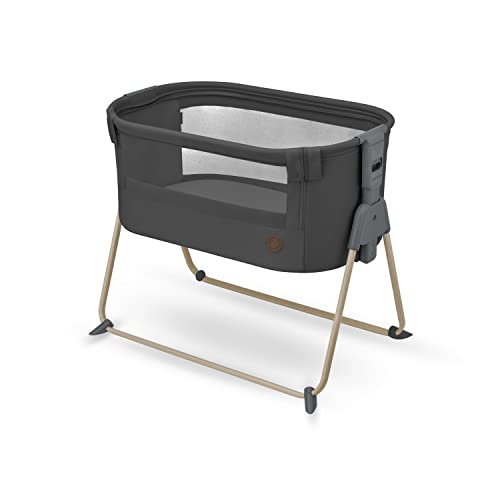
- A co-sleeper crib connects to the side of the parents' bed, enabling easy access while guaranteeing the baby has a separate and safe sleeping space.
Young child Bed
- A young child bed is a little bed that looks like a standard bed however is designed specifically for toddlers, usually including security rails.
Mini Crib
- Mini cribs are smaller than basic cribs, making them a great option for tight spaces, however they appropriate for infants only.
Safety Considerations
Making sure security is critical when choosing a cot for a kid. Here are critical safety standards moms and dads must think about:
- Check for CPSC Certification: Ensure that the cot abides by the Consumer Product Safety Commission (CPSC) standards.
- Avoid Drop-Sides: Cots with drop-sides have actually been connected to safety hazards, and the newest safety regulations restrict them.
- Use a Firm Mattress: A firm mattress decreases the threat of suffocation and ought to fit comfortably within the cot.
- Keep Bedding Simple: Use a fitted sheet and prevent pillows, comforters, and packed animals that can posture suffocation hazards.
- Follow Weight and Age Guidelines: Ensure the child has actually not exceeded the cot's weight limit and is still within the suggested age.
Transitioning from a Cot to a Toddler Bed
The transition from a cot for sale (https://gitea.Kaz62.ru/) to a toddler bed can be a psychological turning point for both parents and children. Here are actions to reduce the transition:
Timing
Deciding when to shift can be subjective, however it's usually advised to make the switch in between 18 months and 3 years, based on aspects like:
- Physical Ability: If the child is climbing up out of the cot.
- Potty Training: Consider transitioning if the kid is toilet training and requires much easier gain access to.
- Habits: Exhibiting indications of maturity, such as following guidelines or expressing a desire for independence.
Tips for Making the Transition Smooth
Include Your Child: Let the child choose their new bedding or bed decoration to instill excitement about the change.
Keep Routine Consistent: Maintain the kid's bedtime regimen to provide convenience throughout this period of modification.
Describe the Change: Discuss the shift to a young child bed favorably, making it seem like an excellent experience.
Precaution: Place the bed versus the wall or usage bed rails to avoid falling throughout sleep.
Choosing the Right Bed
When picking a toddler bed, parents need to think about aspects like:
- Height: Low-profile beds are perfect for toddlers who may fall out throughout sleep.
- Toughness: Ensure the bed can hold up against active play as well as sleep.
- Design and Design: Choose a style that matches the child's room and is interesting the kid.
Picking the best cot for your kid can be a complicated procedure, however understanding the options available, crucial security considerations, and the ideal timing for transitioning to a toddler bed can make this journey easier for parents. Investing time and effort into these decisions will ensure that your kid has a safe, comfortable, and supporting sleep environment.
FAQs
1. What is the difference between a cot and a crib?
- A cot is generally a smaller bed designed for more youthful young children, while a crib is a larger bed that is normally ideal for infants as much as 3 years of ages.
2. When should I move my kid from a crib to a toddler bed?
- The shift time is typically between 18 months and 3 years; this change is based on the kid's physical capabilities and behavioral signs.
3. How can I guarantee my kid is safe while sleeping?
- Constantly follow security standards, use a company mattress with a simple bed linen arrangement, and monitor the cot's weight limit.
4. What should I do if my child attempts to climb out of the cot?
- If your kid is climbing up out, it may be time to consider transitioning to a young child bed to prevent falls.
5. Can I use the very same bed mattress when transitioning?
- Typically, it is best to replace the crib mattress with one that specifies to the toddler bed. Guarantee it fits snugly and adheres to safety standards.
By considering these aspects, moms and dads can design healthy sleep habits and provide their kids with a safe and secure environment that promotes restful sleep. Investing in quality sleeping arrangements will contribute to the kid's total development and joy.
Understanding Residential Composite Doors: A Comprehensive Guide
Residential composite doors have acquired tremendous popularity over the last few years due to their special mix of aesthetics, sturdiness, and energy efficiency. These doors develop an enduring impression not only on the exterior of a home but also contribute significantly to security and security. In this post, we'll check out the benefits of composite doors, the products utilized in their building, and the elements to consider when selecting the best one for your home.
What are Composite Doors?
Composite doors are engineered to combine the best functions of different products, such as wood, uPVC, and fiberglass. The core of a composite door typically includes a strong laminate or foam core, ensuring excellent thermal insulation and security. This makes them an appealing alternative for property owners wanting to boost both energy performance and curb appeal.

Key Components of Composite Doors
Composite doors are comprised of a number of layers, that include:
- Outer Skin: Usually made from GRP (Glass Reinforced Plastic) or uPVC, this layer adds to the door's durability and low upkeep requirements.
- Core Material: The core supplies structural strength and insulation. Options consist of strong lumber, plywood, or energy-efficient foam.
- Insulation Layer: This layer improves thermal performance, keeping homes warmer throughout winter and cooler in summer.
- Frame: The frame is usually reinforced to ensure strength and stability, adding to the total security of the door.
Benefits of Residential Composite Doors
When thinking about composite doors, homeowners can gain from several advantages:
| Benefits | Description |
|---|---|
| Security | Resilient building and construction makes them resistant to forced entry. |
| Energy Efficiency | Exceptional insulation properties help in reducing energy expenses. |
| Visual Variety | Available in a variety of designs, colors, and ends up to match any home. |
| Low Maintenance | Unlike wooden doors, composite doors do not warp or require routine painting. |
| Weather condition Resistance | Resistant to extreme weather condition conditions, including UV rays, rain, and snow. |
| Sound Insulation | Supplies excellent noise decrease for a quieter environment inside the home. |
Aspects to Consider When Choosing Composite Doors
Choosing the best composite door needs cautious factor to consider of numerous aspects to ensure it satisfies your specific needs. Below are some crucial aspects to assess:
Style and Design
- Conventional: Classic styles with intricate designs.
- Modern: Sleek lines and contemporary finishes.
- Colour and Finish: Customizable choices differ from bold colors to natural wood grains.
Thermal Performance
- Look for doors with a high Energy Rating (A+ shows superior insulation).
Security Features
- Think about the locking mechanisms and security certifications.
- Check for multi-point locking systems for added security.
Budget plan
- Rates can differ depending on the brand name, design, and extra functions. Setting a spending plan can help narrow options.
Maker Reputation
- Research examines and reviews of brands to make sure reliable quality and service.
FAQs about Residential Composite Doors
1. Are composite doors more pricey than conventional wooden doors?
Yes, composite doors tend to have a higher preliminary rate compared to conventional wood doors. Nevertheless, their toughness and low upkeep costs can make them more economical in the long run.
2. How do I preserve my composite door?
Upkeep is minimal. A basic wash with warm soapy water and a soft cloth is normally sufficient to keep the door looking good. Avoid abrasive products or harsh chemicals that can damage the surface area.
3. Can composite doors be painted?
While composite doors are created to maintain their finish, they can be painted if wanted. However, it is a good idea to utilize top quality exterior paint and follow producer's standards ensure longevity.
4. Are composite doors energy efficient?
Yes, composite doors are known for their outstanding thermal insulation homes. They can substantially reduce energy costs by keeping heat inside throughout winter season and blocking outside heat throughout summertime.
5. What should I look for in regards to guarantee?
Many manufacturers use warranties varying from 5 to 20 years. It's important to determine what is covered under the service warranty and whether it includes concerns connected to material defects and fading.

Residential composite doors use an excellent service for property owners who value looks, security, and energy efficiency. With their remarkable efficiency and variety of designs, composite doors not only improve the curb appeal of a home but also provide assurance with their sturdiness and insulating properties. Whether renovating or constructing a new home, integrating composite doors can be a sensible investment both for today and the future.
In a world where home security and energy effectiveness are paramount, residential composite doors are a reliable and stylish choice for any modern property owner.
The Rise of Exercise Bikes in the UK: A Comprehensive Guide
The expansion of exercise bikes recently has actually transformed the landscape of home fitness in the United Kingdom. As the general public looks for methods to maintain health and fitness outside conventional gym environments, the need for home workout devices has risen, with stationary bicycle at the leading edge.
Why Choose an Exercise Bike?
Exercise bikes provide a practical and effective way to take part in cardiovascular exercise without requiring to venture outdoors. They provide many benefits to users of all fitness levels, including:
- Low-Impact Cardio: Exercise bikes offer an excellent cardiovascular workout while being gentle on the joints, making them a perfect choice for people with joint issues or those recovering from injuries.
- Benefit: With a busy lifestyle, finding time to go to the gym is often difficult. An exercise bike enables users to exercise in your home, accommodating different schedules without travel time.
- Adjustable Workouts: Most modern-day exercise bikes come with adjustable resistance levels and built-in programs that enable users to tailor their exercises to their fitness levels and personal goals.
- Keeping track of Progress: Many designs consist of digital displays that track metrics such as distance, speed, time, and calories burned, allowing users to monitor their progress and set attainable objectives.
Kinds Of Exercise Bikes
When picking a stationary bicycle, it's vital to think about the different types readily available. Here is a breakdown of the most typical kinds of exercise bikes available in the UK:
| Type | Description | Pros | Cons |
|---|---|---|---|
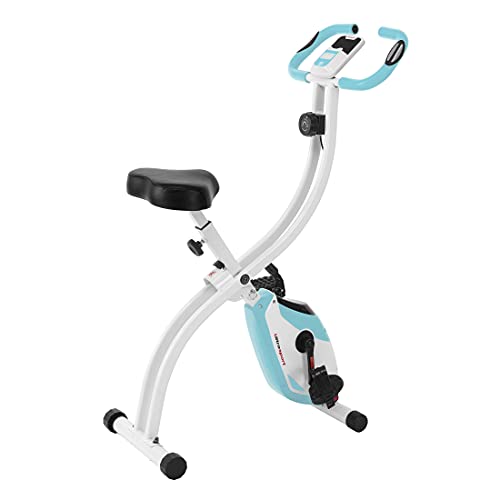
| Upright Bikes | Similar to conventional bicycles; the rider is seated in an upright position. | Compact, versatile for various users. | Might be uncomfortable for long trips. |
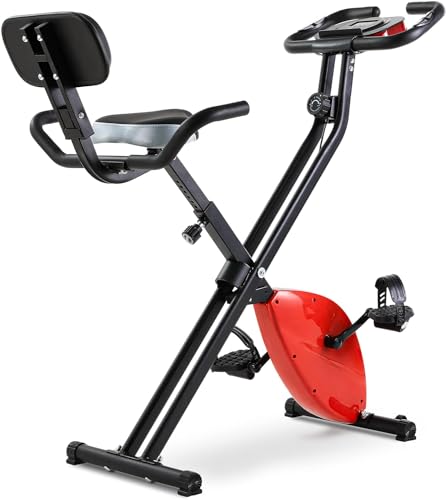
| Recumbent Bikes | Features a bigger seat and back-rest, supplying a reclined riding position. | Comfortable seating; suitable for back support. | Bigger footprint; less intense exercise. |
| Spin Bikes | Designed for high-intensity, indoor cycling classes with adjustable resistance. | Great for calorie burning and tone. | Less comfortable for prolonged usage. |
| Hybrid Bikes | Combines features of upright and recumbent bikes; adjustable seat positions. | Deals versatile usage; suitable for various workouts. | Can be more costly. |
Popular Brands in the UK
When selecting a stationary bicycle, the brand name can affect quality, toughness, and cost. Here are some popular exercise bike brands commonly discovered in UK homes:
- Peloton: Known for high-tech features and immersive classes.
- Exerpeutic: Provides economical options with robust functions.
- NordicTrack: Offers a variety of stationary bicycles with interactive training choices.
- JLL: A UK-based brand known for excellent value and solid efficiency.
- Reebok: Offers durable bikes dealing with various fitness levels.
How to Choose the Right Exercise Bike
Choosing the right exercise bike is an individual decision that needs to consider individual choices, objectives, and area availability. Here are some elements to keep in mind:
- Space: Make sure to determine the area where you plan to utilize the bike. Some models require more room than others, particularly when thinking about the need for a complimentary area for safe movement.
- Spending plan: Exercise bikes can vary from budget to high-end. Figure out a budget plan ahead of time and compare designs to find the very best value for your requirements.
- Convenience: Try out the bike if possible. Look for functions like adjustable seats, handlebars, and pedal positioning, which can improve comfort during exercises.
- Features: Decide what extra functions you might desire, such as Bluetooth connection, exercise programs, heart rate screens, and compatibility with fitness apps.
- Efficiency Tracking: Many designs offer numeric display screens to assist track exercises, supplying inspiration and helping users set and accomplish fitness objectives.
Advantages of Using Exercise Bikes Regularly
Dedicating to regular usage of an exercise bike can yield numerous health advantages, consisting of:
- Improved Cardiovascular Health: Regular cardiovascular exercise reinforces the heart and lungs.
- Weight Management: Consistent biking can aid in weight reduction and management by burning calories.
- Enhanced Muscular Endurance: Cycling assists build endurance in the leg muscles, consisting of the quadriceps, hamstrings, and calves.
- Tension Relief: exercise machine - please click the following page - is understood to launch endorphins, which can enhance mood and ease stress.
- Increased Joint Mobility: Regular low-impact exercise can improve versatility and joint movement.
FAQs About Exercise Bikes in the UK
1. Are exercise bikes ideal for newbies?
Yes, exercise bikes are ideal for newbies as they use differing resistance levels and adjustable settings, allowing users to start at a comfy intensity and gradually increase it.
2. Just how much space do I need for an exercise bike?
Area requirements differ by model, but a basic upright bike generally requires a footprint of around 1.5 m ². Think about leaving additional room for motion and comfort.
3. How typically should I use a stationary bicycle?
For basic fitness, intending for at least 150 minutes of moderate-intensity cardio each week is suggested. This can be divided into a number of sessions according to personal preference.
4. Do I require a gym subscription if I have an exercise bike?
No, having a stationary bicycle allows you to perform exercises at home, removing the requirement for a gym membership. However, some might prefer a gym for group classes or range.
5. How can I improve my exercises on an exercise bike?
Including interval training, altering resistance regularly, or following structured exercise strategies can help maximize your stationary bicycle sessions.
The rise of stationary bicycle in the UK represents a shift towards more accessible and versatile workout alternatives in a society progressively knowledgeable about fitness and health. By choosing the ideal bike and integrating regular exercise into their way of life, people can enjoy the physical and psychological benefits that come with consistent cardiovascular training. With many alternatives available, potential purchasers are often presented with a world of opportunity. As more people embrace home fitness options, stationary bicycle are most likely to continue playing a crucial role in the health and wellness of the country.

Quality Door Installers: An In-Depth Guide
Setting up a door might appear like a simple job; nevertheless, the quality of the installation can substantially affect the door's efficiency, security, and durability. Quality door installers play a vital role in ensuring that doors are not just aesthetically pleasing however also operate efficiently. This post looks into the importance of quality door installation, what to search for in a professional installer, and tips for picking the ideal service.
The Importance of Quality Door Installation
Doors act as more than just entryways to areas; they provide security, personal privacy, and aesthetic worth. The benefits of buying quality door installation consist of:
Enhanced Security: An inadequately installed door fitting Experts can cause vulnerabilities that jeopardize the security of a property. Quality installation ensures that locks and frames are fitted properly to improve security.
Improved Energy Efficiency: Gaps or misalignments in door installation can result in drafts, making heating and cooling systems less efficient. Proper installation helps maintain a stable indoor temperature.
Durability: A well-installed door is more most likely to endure the elements and everyday wear and tear, extending its lifespan and saving property owners replacement costs in the long run.
Visual Appeal: The installation process can significantly affect the final look of a door, making it vital to have professionals manage the job.
What to Look for in Quality Door Installers
Discovering the ideal door installer can be tough, but certain qualities can assist homeowners determine the very best from the rest:
Checklist for Quality Door Installers
Experience and Qualifications: Look for installers with a tested performance history and essential accreditations. Experienced installers are most likely to handle unanticipated challenges adeptly.
Positive Reviews and References: Testimonials from previous customers can provide insights into the installer's dependability and craftsmanship. Examine online reviews and request for referrals.
Proper Licensing and Insurance: Ensure the installer is accredited to operate in your area and brings insurance coverage to cover potential damages or injuries throughout the installation process.
Knowledge of Various Door Types: Quality installers must have experience with a variety of door types-- from conventional wooden doors to modern fiberglass or steel choices.
Written Estimates: Professional installers should offer an in-depth written estimate that details costs, timelines, and any possible additional charges.
Service Warranty and After-Sales Support: Choose installers who offer guarantees on their work and want to assist with any issues that may emerge post-installation.
Table: Qualities of a Good Door Installer
| Quality | Description |
|---|---|
| Experience | Years in the market and exposure to numerous door types and setups. |
| Evaluations and References | Positive consumer feedback and availability of client references. |
| Licensing and Insurance | Valid licenses and evidence of insurance to safeguard versus liabilities. |
| Understanding | Expertise in various types of doors and materials. |
| Quotes | Clearness and openness in supplying cost estimates and timelines. |
| Warranty | Guarantee of work quality through warranties and post-installation support. |
Tips for Choosing Quality Door Installers
Picking a quality door installer can simplify the process and guarantee the best possible outcomes. Here are some ideas to help house owners make notified decisions:
Obtain Multiple Quotes: Don't opt for the first installer you find. Getting several quotes allows property owners to compare prices and services.
Ask Questions: Engage potential installers by asking concerns regarding their installation process, products they choose, and how they handle problems.
Look for Affiliations: Membership in professional companies can suggest a dedication to quality. Associations may include the National Association of Home Builders (NAHB) or the Door & & Hardware Institute (DHI).
Go To Previous Projects: If possible, go to previous tasks or request pictures of previous setups to evaluate the work quality.
Guarantee Clear Communication: Select an installer who communicates openly and promptly, dealing with any issues throughout the installation process.
Frequently asked questions
The length of time does door installation usually take?
The time it requires to install a door can vary based on the intricacy of the installation, the type of door being set up, and the installer's experience. Usually, a standard door installation might take anywhere from 1 to 3 hours.
What is the typical cost of door installation?
The cost of door installation can vary extensively based on door type, material, and location. Usually, house owners can anticipate to pay between ₤ 300 and ₤ 1,500 for door installation, consisting of both products and labor.
Do I need to provide the door to the installer?
In many cases, the installer will require access to the door for installation. Homeowners can either acquire the door themselves or have the installer provide one. Discuss this option ahead of time.
Can I install a door myself?
While some experienced DIY lovers may successfully install a door themselves, professional installation is recommended to make sure that the door operates appropriately and meets security standards.
What should I do if my door does not close effectively after installation?
If a freshly set up door does not close correctly, property owners need to contact the installer for advice, as there might be changes required or problems concerning fit and level.
Quality door installation is a vital aspect of home enhancement that needs cautious factor to consider of the installer's certifications, experience, and track record. By understanding the significance of professional door installation, what to look for in installers, and how to make informed decisions, property owners can ensure that their doors function efficiently and improve the appeal and security of their homes. With the ideal technique, picking a quality door installer can result in a seamless installation experience and long-term satisfaction.
The Role of an Exterior Door Installer: Skills, Responsibilities, and Benefits
Setting up exterior doors is more than simply hanging a door frame; it's an important job that enhances a property's security, energy effectiveness, and aesthetic appeal. An exterior door installer is accountable for ensuring that doors are appropriately fitted, working correctly, and flawlessly integrating with a home's architecture. This short article will check out the abilities and responsibilities of an exterior door installer, the significance of their role, and standards for working with a qualified professional.
Understanding the Role of an Exterior Door Installer
Exterior door installers are experienced tradespeople who concentrate on the installation of entry doors and other external access points. Their competence spans a variety of door types, consisting of:
- Wooden doors
- Steel doors
- Fiberglass doors
- Patio doors
- Storm doors
Each type of door might need different methods, tools, and products. For that reason, a well-rounded knowledge base is vital for reliable installation.
Abilities and Qualifications
Technical Skills: Exterior door installers must possess strong woodworking abilities, that include determining, cutting, and putting together different door frames and structures.
Knowledge of Building Codes: Understanding local building regulations and guidelines is important to ensure compliance and safety during installation.
Attention to Detail: Precision is type in door installation to guarantee doors open and close effectively and fit securely in frames.
Problem-Solving Skills: Installers typically experience unexpected challenges. The ability to fix concerns effectively is indispensable.
Customer support: Strong interaction skills are needed to work with customers, describe the installation process, and deal with any questions or concerns.
Physical Stamina: The job requires physical endurance as it typically involves lifting, standing, kneeling, and operating in different climate condition.
Responsibilities of an Exterior Door Installer
The obligations of an exterior door installer can be classified into a number of key locations:
Assessment: Evaluating the existing door frame and structure for damage or disparities.
Picking Materials: Helping clients select the right door products and styles based on their requirements and preferences.
Installation: Removing old doors and installing new doors, guaranteeing proper positioning and secure fittings.
Weatherproofing: Applying weather condition removing or insulation to improve energy efficiency and secure versus the elements.
Evaluating Functionality: Checking doors to ensure they operate smoothly, lock properly, and meet security requirements.
Clean-Up: Removing debris and excess materials from the task website as soon as installation is total.
Benefits of Professional Installation
Working with a professional exterior door installer provides numerous advantages:
Expertise: Professionals have the training and experience to manage complex setups properly and effectively.
Quality Assurance: A set up door performs much better and lasts longer when done by an expert, which can save cash on future repairs.
Security: Door installation can involve heavy lifting and sharp tools. Experts are trained to operate equipment safely.
Service warranties: Many professional installers offer service warranties on their craftsmanship, ensuring assurance for customers.
Cost-Efficiency: While there is an upfront cost to hiring a professional, the long-term cost savings through decreased repair work and increased energy effectiveness can surpass preliminary costs.
Choosing the Right Exterior Door Installer
When picking an exterior door installer, house owners must consider the following steps:
1. Research study Options
Start by collecting a list of local installers. Online evaluations, recommendations from friends, or inspecting local company directories can assist determine appropriate candidates.
2. Verify Qualifications
Examine for certifications, licenses, and insurance. An installer should also supply recommendations from previous customers.
3. Request Estimates
Obtain numerous quotes from various installers. Guarantee that the quotes detail all costs involved, consisting of materials, labor, and potential extra charges.
4. Ask About Experience
Ask about the installer's experience with the particular kind of door you intend to set up.
5. Evaluation Guarantees
Understand the service warranties offered on both the door and the installation work.
Table: Typical Costs of Exterior Door Installation
| Door Type | Average Cost (Material + Installation) | Estimated Installation Time |
|---|---|---|
| Wood Door | ₤ 500 - ₤ 1,500 | 4 - 6 hours |
| Steel Door | ₤ 700 - ₤ 1,200 | 3 - 5 hours |
| Fiberglass Door | ₤ 900 - ₤ 1,800 | 5 - 7 hours |
| Patio Door | ₤ 800 - ₤ 2,000 | 6 - 8 hours |
| Storm Door | ₤ 200 - ₤ 600 | 2 - 4 hours |
(Note: Prices may vary based on place, brand name, and customization choices.)
Frequently asked questions
What type of door is best for environment extremes?
Fiberglass doors are highly recommended for areas with extreme temperature levels. They are more resistant to warping, splitting, and can supply better insulation compared to wood and steel.
The length of time does it take to set up an exterior door?
Installation times can vary considerably based upon the type of door and the condition of the existing frame. Usually, the installation can take anywhere from 2 to 8 hours.
Should I employ a professional or try a DIY installation?
It depends upon your skill level and experience. DIY installations can save cash however might lack the quality and safety that experts offer. For complicated setups, working with a professional is suggested.
What can impact the cost of exterior door installation?
Several aspects can affect installation costs, consisting of door type, product, labor expenses in your area, and any additional work needed on the door frame or surrounding structures.

Are exterior doors energy-efficient?
Lots of modern exterior doors are created with energy performance in mind, including insulation capabilities and weather removing that helps lessen heat loss.
An exterior door installer plays a crucial function in boosting a home's security, energy performance, and curb appeal. By comprehending the skills needed, the duties included, and the advantages of hiring a professional, homeowners can make informed options for their door installation requirements. Making the effort to research study and choose the best installer will result in an effective job and long-lasting outcomes.

Understanding Door Installation Companies: A Comprehensive Guide
When it comes to home enhancement, door installation is a vital aspect that often goes neglected by homeowners. Nevertheless, selecting the best door and having it set up properly can significantly boost a home's security, aesthetic appeal, and energy performance. For those considering undertaking this project, understanding the function of door installation companies is crucial. This short article will check out the functions of these companies, the kinds of services they use, the aspects to think about when employing one, and frequently asked concerns to help in decision-making.
What Do Door Installation Companies Do?
Door installation companies focus on the sale, installation, and repair work of numerous types of doors. They supply services for both residential and commercial properties. The scope of their services usually consists of:
Consultation and Measurement: Assessing the requirements of the customer, measuring door frames, and recommending suitable door types.
Door Selection Guidance: Helping customers pick the best materials, designs, and styles to match their home's visual and performance.
Installation: Proper installation of doors to ensure they work properly; this consists of connecting hinges, securing frames, and sealing around door edges to avoid drafts and water leakages.
Repairs and Maintenance: Offering repair services for harmed doors, including repairing damaged locks, hinges, and frames.
Customization: Providing alternatives for custom doors that line up with specific style needs or structural requirements.
Types of Doors Installed
Door installation companies deal with a range of door types, each serving different functions. Here are some typical classifications:
| Type of Door | Description |
|---|---|
| Outside Doors | Doors that provide access to the home and boost security. |
| Interior Doors | Doors that divide living areas within a home. |
| Patio Doors | Doors that result in outside patio area or deck spaces. |
| French Doors | Elegant double doors that provide a broad opening and view. |
| Sliding Doors | Doors that move open, typically utilized for outdoor patios or closets. |
| Bi-fold Doors | Folding doors that open to create a larger access area. |
Aspects to Consider When Hiring a Door Installation Company
Working with the ideal door installation business can make all the difference in achieving acceptable outcomes. Here are several key elements to consider:
Experience and Reputation: Look for companies with a proven performance history and positive evaluations from past clients.
Licensing and Insurance: Ensure that the business is correctly certified and insured to protect against any prospective liabilities.
Variety of Services: Choose a company that provides a total variety of services, including installation, upkeep, and repair work.
Quality of Materials: Inquire about the types of doors and products they use to ensure sturdiness and aesthetics.
Cost Estimates: Request several quotes to compare rates and services. Watch out for unusually low bids, as they might show subpar quality.
Guarantee and After-Service Support: Check if they provide warranties on both items and labor, which can save costs in the long run.
Client Service: Good customer support is essential for support throughout and after installation.
Benefits of Professional Door Installation
While some house owners may consider DIY door installation, working with professionals uses various advantages:
- Expertise: Professionals bring experience and ability that guarantee doors are set up properly and operate smoothly.
- Time Efficiency: Tasks that may take a newbie a number of hours can frequently be finished by experts in a portion of the time.
- Safety: Door installation includes managing heavy products and tools, which can posture dangers without appropriate training.
- Increased Home Value: Properly set up doors boost curb appeal and can improve residential or commercial property worth.
Often Asked Questions (FAQs)
1. The length of time does the door installation process take?
The timeline for door installation differs depending on the type of door, the condition of the frame, and the intricacy of the job. Generally, it can take anywhere from a couple of hours to a complete day.
2. What is the typical cost of door installation?
Expenses can differ considerably based on material, door type, and labor expenses. Typically, property owners can anticipate to pay in between ₤ 250 to ₤ 1,000 for installation alone, omitting the cost of the door itself.
3. Can I install a door myself?
While some may attempt to install a door as a DIY project, it is advised to employ professionals due to the accuracy needed for appropriate alignment and the possible issues that may occur.
4. What should I do if my door does not close correctly?
Typical issues with incorrectly closing doors consist of misalignment, damaged hinges, or warped frames. It is best to call a professional to examine and deal with the issue successfully.
5. Exist warranties on installation services?
Lots of door installation companies use warranties on their services. It is necessary to ask about guarantee information before continuing with installation.
Door installation companies play a vital function in enhancing the function and look of residential and commercial residential or commercial properties. Understanding the services they provide, the types of doors offered, and what elements to consider when employing one can lead property owners toward making informed choices. Whether starting an easy repair work or a thorough installation task, the assistance of professionals can guarantee a seamless outcome that fulfills security, aesthetic, and practical requirements.
Investing time in this procedure will ultimately add to the convenience and security of a home, showing that quality installation is well worth the effort.
Car Key Locksmiths Near Me: A Comprehensive Guide to Finding Reliable Help
In today's busy world, cars have actually become an important part of life for many individuals. Whether it's an early morning commute to work, a weekend journey to the countryside, or a quick errand to the supermarket, our cars are often the backbone of our schedules. Nevertheless, the benefit of owning a car can quickly develop into disappointment when you find yourself locked out or without a working key. This is where car key locksmiths near you enter play, using vital services that can conserve the day.
Introduction to Car Key Locksmiths
A car key locksmith is an expert who focuses on managing problems connected to vehicle locks and keys. These experts can develop brand-new keys, replace lost or broken keys, and even program advanced key fobs and transponder keys. When faced with a lockout or key-related issue, a locksmith can supply timely and efficient services, ensuring that you return on the roadway with very little trouble.
When You Might Need a Car Key Locksmith
There are a number of scenarios where you might discover yourself in requirement of a car key locksmith:
- Locked Out of Your Car: This is among the most typical situations. You may accidentally lock your keys inside the vehicle or discover that your key fob has actually stopped working.
- Lost or Stolen Keys: Losing your car keys can be a substantial hassle, and if they are stolen, it can be a security danger.
- Broken Keys: Keys can break due to wear and tear, especially if they are old or have been dropped.
- Key Programming: Many modern cars and trucks require key programming, which involves syncing the key with the vehicle's internal security system. This is needed for keys with advanced features like remote start or keyless entry.
- Transponder Key Issues: Transponder keys consist of a microchip that communicates with the car's immobilizer system. If this chip stops working, you may require a locksmith to reprogram or replace it.
How to Find a Car Key Locksmith Near You
Discovering a trusted car key locksmith can be a simple procedure if you understand where to look. Here are some actions to help you find the right expert:
- Online Search: Start with a basic Google search utilizing keywords like "car key locksmith near me" or "auto locksmith [your city]" This will offer you with a list of close-by locksmiths.
- Local Directories: Check local organization directory sites such as Yelp, Bing Places, or Yellow Pages. These platforms often consist of consumer reviews and rankings.
- Request Recommendations: Word of mouth can be exceptionally helpful. Ask buddies, family, or colleagues if they have actually used a car key locksmith they trust.
- Automotive Forums: Online automotive forums can be a goldmine of info. Members often share their experiences and recommendations for trusted locksmiths.
- Contact Your Car Manufacturer: Some car producers have collaborations with locksmith professionals who focus on their cars. Getting in touch with the maker can supply you with a list of recommended experts.
What to Look for in a Car Key Locksmith
When choosing a car key locksmith, it's important to think about a number of aspects to ensure you get top quality service:
- Experience: Opt for a locksmith with substantial experience in automotive key services. They will have the skills and tools needed to handle a wide variety of problems.
- Licensing and Insurance: Check if the locksmith is accredited and guaranteed. This secures you from any prospective legal or monetary concerns that may occur.
- 24/7 Availability: Emergencies can take place at any time. Choose a locksmith who provides 24/7 services to ensure you can get assist whenever you require it.
- Openness: A credible locksmith will be transparent about their services and pricing. They ought to provide you with a clear quote before starting any work.
- Customer Reviews: Read online reviews and testimonials to get an idea of the locksmith's reputation and service quality. Positive reviews can be a good indicator of reliability.
The Services Offered by Car Key Locksmiths
Car key locksmiths offer a variety of services to attend to different key and lock issues:
Key Duplication:
- Manual Keys: Creating a copy of a standard key.
- Remote Keys: Duplicating keys that include a remote fob.
- Keyless Entry Keys: Replicating keys for vehicles with keyless entry systems.
Key Replacement:
- Lost Keys: Providing a brand-new set of keys when you lose your original.
- Stolen Keys: Replacing keys after a theft and enhancing security steps.
Key Fob Programming:
- New Key Fobs: Programming brand-new key fobs to deal with your vehicle.
- Additional Key Fobs: Adding more key fobs for benefit.
Transponder Key Services:
- Key Cutting: Cutting new transponder keys.
- Chip Replacement: Replacing the microchip in a transponder key.
- Key Programming: Programming the transponder key to work with your car's immobilizer system.
Lockout Assistance:
- Non-Destructive Entry: Gaining access to your vehicle without causing damage.
- Emergency Situation Lockout Services: Providing assistance in emergency situation scenarios, such as being locked out in the middle of the night.
Advanced Security Solutions:
- Keyless Entry Systems: Installing and preserving keyless entry systems.
- Smart Key Systems: Handling issues connected to clever key systems, consisting of diagnostics and repairs.
The Process of Using a Car Key Locksmith
When you need the services of a car key locksmiths near me key locksmith, the process generally involves the following actions:
- Contact the Locksmith: Call or visit the locksmith's site to demand assistance.
- Supply Vehicle Information: Share details about your vehicle, consisting of the make, model, and year. This helps the locksmith figure out the needed tools and equipment.
- Confirm Identity: You may need to offer evidence of ownership, such as your driver's license and vehicle registration, to avoid unapproved access.
- Service Arrival: The locksmith will reach your area, either at your home, office, or wherever your vehicle is.
- Evaluation and Solution: The locksmith will examine the problem and supply a solution, whether it's opening your vehicle, replicating a key, or programming a brand-new key fob.
- Payment and Follow-Up: Once the service is finished, you will be charged according to the agreed-upon price quote. If needed, the locksmith might offer additional suggestions or follow-up services.
FAQs About Car Key Locksmiths
Q: How much does it cost to get a brand-new car key from a locksmith?A: The expense can differ depending on the kind of key and the complexity of the task. For a basic key, the cost may range from ₤ 20 to ₤ 50. Advanced keys, such as those with transponders or keyless entry, can cost in between ₤ 50 and ₤ 200.
Q: Can a locksmith make a key without the original?A: Yes, a professional locksmith can create a new key even if you do not have the original. They might need the vehicle's VIN number or other recognizing information to make sure the new key is a perfect match.
Q: How long does it take for a locksmith to arrive?A: Most locksmiths aim to get here within an hour, however this can vary depending upon your place and the locksmith's existing workload. Some locksmiths offer 24/7 emergency situation services for immediate situations.
Q: Are car key locksmiths available on weekends and vacations?A: Many locksmith professionals offer weekend and holiday services, especially those who provide 24/7 emergency situation help. However, it's an excellent concept to inspect the locksmith's schedule beforehand.
Q: Is it legal for a locksmith to make a new key?A: Yes, it is legal for a locksmith to make a new key, provided they have the correct permission. They may request proof of ownership or other determining documents to ensure they are not creating a key for unauthorized use.
Q: Can a locksmith reset my car's immobilizer system?A: Yes, a locksmith can reset your car's immobilizer system, particularly if the problem is related to a malfunctioning key fob or transponder. They will have the needed equipment and proficiency to perform this job.

Tips for Choosing the Right Car Key Locksmith
- Check Credentials: Ensure the locksmith is accredited and insured.
- Compare Prices: Get quotes from several locksmiths to discover the best worth for your cash.
- Check out Reviews: Look for evaluations and reviews to gauge the locksmith's reputation.
- Ask Questions: Don't think twice to inquire about the locksmith's experience, the tools they utilize, and their assurance on the work.
- Emergency Services: Choose a locksmith who provides 24/7 emergency services to cover all possible scenarios.
Being locked out of your car or handling a broken key can be a difficult experience, but with the help of a trustworthy car key locksmith, you can quickly deal with these problems. Whether you require a new key, key fob programming, or emergency situation lockout assistance, a professional locksmith has the abilities and tools to get you back on the road. By following the pointers laid out in this guide, you can find a trustworthy locksmith near you who will supply effective and effective service.
Extra Resources
- National Institute of Standards and Technology (NIST): Offers details on locksmithing standards and best practices.
- American Locksmith Association (ALA): Provides a directory site of certified locksmith professionals and resources for consumers.
- Local Automotive Clubs: Many clubs offer suggestions and discount rates for locksmith services.
By being prepared and understanding where to turn, you can ensure that any car key problems are managed efficiently and without unnecessary stress.

Understanding Residential Composite Doors: A Comprehensive Guide
Residential composite doors have actually acquired tremendous appeal in recent years due to their unique mix of aesthetic appeals, durability, and energy performance. These doors develop a long lasting impression not only on the exterior of a home however also contribute considerably to safety and security. In this article, we'll check out the benefits of composite doors, the materials used in their building and construction, and the elements to consider when picking the best one for your home.
What are Composite Doors?
Composite doors are crafted to combine the very best functions of numerous materials, such as wood, uPVC, and fiberglass. The core of a composite door usually includes a solid laminate or foam core, guaranteeing outstanding thermal insulation and security. This makes them an appealing option for property owners aiming to enhance both energy performance and curb appeal.

Secret Components of Composite Doors
Composite doors are made up of several layers, that include:
- Outer Skin: Usually made from GRP (Glass Reinforced Plastic) or uPVC, this layer adds to the door's durability and low upkeep requirements.
- Core Material: The core offers structural strength and insulation. Alternatives include strong lumber, plywood, or energy-efficient foam.
- Insulation Layer: This layer boosts thermal performance, keeping homes warmer during winter and cooler in summertime.
- Frame: The frame is generally reinforced to ensure strength and stability, adding to the general security of the door.
Benefits of Residential Composite Doors
When thinking about composite doors, property owners can take advantage of numerous advantages:
| Benefits | Description |
|---|---|
| Security | Long lasting construction makes them resistant to forced entry. |
| Energy Efficiency | Exceptional insulation properties help minimize energy costs. |
| Aesthetic Variety | Offered in a variety of styles, colors, and finishes to match any home. |
| Low Maintenance | Unlike wooden doors, composite doors do not warp or need routine painting. |
| Weather Resistance | Resistant to severe weather, including UV rays, rain, and snow. |
| Sound Insulation | Provides outstanding noise reduction for a quieter environment inside the home. |
Aspects to Consider When Choosing Composite Doors
Choosing the right composite door needs cautious consideration of numerous elements to guarantee it satisfies your particular requirements. Below are some crucial elements to evaluate:
Style and Design
- Traditional: Classic designs with detailed styles.
- Modern: Sleek lines and modern finishes.
- Colour and Finish: Customizable alternatives differ from vibrant colors to natural wood grains.
Thermal Performance
- Search for doors with a high Energy Rating (A+ shows superior insulation).
Security Features
- Think about the locking systems and security accreditations.
- Examine for multi-point locking systems for included security.
Spending plan
- Rates can vary depending upon the brand, style, and additional functions. Setting a budget can help narrow alternatives.
Manufacturer Reputation
- Research reviews and reviews of brand names to ensure reliable quality and service.
FAQs about Residential Composite Doors
1. Are composite doors more expensive than conventional wood doors?
Yes, composite doors tend to have a higher preliminary rate compared to standard wood doors. Nevertheless, their resilience and low upkeep costs can make them more affordable in the long run.
2. How do I keep my composite door?
Upkeep is very little. A basic wash with warm soapy water and a soft fabric is usually adequate to keep the door looking great. Avoid abrasive products or extreme chemicals that can harm the surface.
3. Can composite doors be painted?
While composite doors are created to keep their finish, they can be painted if wanted. Nevertheless, it is recommended to use premium exterior paint and follow manufacturer's standards make sure durability.
4. Are composite doors energy effective?
Yes, composite doors are known for their outstanding thermal insulation residential or commercial properties. They can substantially decrease energy costs by keeping heat inside during winter season and blocking outdoors heat throughout summertime.
5. What should I search for in terms of guarantee?
Many makers use service warranties varying from 5 to 20 years. It's important to determine what is covered under the guarantee and whether it consists of concerns related to material flaws and fading.
Residential composite doors offer an excellent option for house owners who value visual appeals, security, and energy performance. With their superior performance and range of designs, composite doors not just improve the curb appeal of a home but also offer peace of mind with their toughness and insulating residential or commercial properties. Whether renovating or constructing a new home, including composite doors can be a sensible financial investment both for today and the future.
In a world where home security and energy performance are critical, residential composite doors are a reliable and trendy option for any modern homeowner.