NATURECERT ACADEMY – Trusted Online Certification Learning
Trang blog
Upgrading Your Composite Door: A Comprehensive Guide
Composite doors have gotten considerable appeal in recent years due to their visual appeal, sturdiness, and energy performance. As more homeowners recognize the worth of updating their front doors, it's necessary to comprehend the advantages of composite doors, the needed steps to upgrade, and the factors to consider in the decision-making process. This post aims to provide a detailed assessment of the subject, allowing homeowners to make informed choices about their door replacements.
Understanding Composite Doors
Composite doors are made from a combination of materials, including wood, PVC, and insulating foam. This multi-layered style not just improves security however likewise enhances thermal efficiency, while providing impressive weather condition resistance. Property owners often select composite doors for the following reasons:
Benefits of Composite Doors
Boosted Security:
- Composite doors are geared up with sophisticated locking systems.
- Their robust building and construction makes them more resistant to forced entry compared to standard wood doors.
Energy Efficiency:
- These doors typically score extremely on energy performance ratings.
- Insulating foam cores assist maintain a consistent indoor temperature level, thus minimizing energy costs.
Low Maintenance:
- Composite doors are created to resist fading, warping, and decaying.
- A simple wipe-down with a moist cloth is adequate for maintenance.
Range of Designs:
- Homeowners can pick from a large range of designs, colors, and completes to match any home design.
- Customization options permit customization, consisting of unique glass functions.
Eco-friendly:
- Many manufacturers use sustainable products.
- Their durability reduces the requirement for regular replacements, which contributes to a lower carbon footprint over time.
Why Upgrade Your Composite Door?
Even a well-maintained composite door can end up being out-of-date or lose some of its functionality gradually. Upgrading can supply house owners with increased security, improved energy performance, and a fresher visual appearance. Here are some common reasons to think about an upgrade:
Improved Insulation: Newer models often integrate sophisticated insulation technologies for enhanced thermal efficiency.
Modern Aesthetics: An upgrade can show existing patterns in home design, making the property's entrance more visually appealing.
Security Enhancements: Advancements in locking systems and general door style can offer better security functions.
Wear and Tear: After years of use, even composite doors might reveal indications of wear such as scratches, damages, or faded surfaces.
Energy Costs: An upgraded door can straight affect energy use and expenses through enhanced insulation.
Steps to Upgrade Your Composite Door
Updating a composite door involves numerous crucial steps:
1. Examine Your Current Door
Before making an upgrade, assess the current condition of your composite door. Search for the following:
- Signs of wear and damage.
- Gaps or drafts that may suggest bad insulation.
- Out-of-date design features that do not line up with your home's aesthetic.
2. Set a Budget
Understanding your budget plan is vital when updating your door. Consider:
- The cost of the new door itself.
- Extra costs for setup, which might include removal of the old door.
- Potential expenses for hardware upgrades or custom-made functions.
3. Select the Right Materials
While composite door repair materials doors are normally durable, it's vital to select high-quality materials. Research various producers and models. Key factors to consider consist of:
- Insulation properties.
- Security features.
- Toughness and warranty used by the maker.
4. Select the Design
With a myriad of styles offered, put in the time to pick one that matches your home. Think about:
- Color and finish choices.
- Door style (e.g., standard, contemporary, or custom-made).
- Hardware and glass features.
5. Professional Installation
For the very best outcomes, think about hiring a professional installer. A skilled installer guarantees that your door fits correctly and operates optimally. Make certain to:
- Obtain quotes from numerous professionals.
- Check reviews and references before choosing an installer.
- Validate that the installer is licensed and guaranteed.
Regularly Asked Questions
Q1: How long do composite doors usually last?
Composite doors are understood for their resilience and can last anywhere from 30 to 50 years, depending upon the quality of materials used and the level of maintenance.
Q2: Can I set up a composite door myself?
While it is possible to install a composite door yourself, it is advised to employ a professional for best outcomes. Inaccurate setup can compromise security, insulation, and total performance.
Q3: Are composite doors energy-efficient?
Yes, composite doors are highly energy-efficient due to their insulating residential or commercial properties, helping to keep homes warm in winter and cool in summertime.
Q4: What maintenance do composite doors require?
Composite doors need very little maintenance. Regular cleaning with mild soap and water is generally adequate, and occasional checks of the seals and locking mechanisms are recommended.

Q5: Are composite doors eco-friendly?
Yes, lots of composite doors are made from sustainable products and are developed to last longer than traditional wooden doors, minimizing waste in the long run.
Updating a composite door is a clever investment for homeowners looking to improve security, energy effectiveness, and the total look of their home. With a variety of options readily available, choosing the right door involves assessing existing conditions, setting a budget, and identifying style preferences. By following these actions and thinking about future requirements, homeowners can make sure that their updated composite door fulfills their expectations and enhances their home for several years to come.
Emergent Conservatory Repairs: Understanding the Essential Steps for Restoration
Emergent conservatory repairs are important in maintaining the stability, safety, and visual appeals of these gorgeous glass structures. A conservatory, often considered as an individual sanctuary that flawlessly incorporates indoor comfort with the appeal of nature, can experience numerous issues, such as damage to glass panels, structural instability, and water ingress. Whether due to environmental aspects or age, the need for instant attention to these issues is critical. This post will explore the kinds of typical conservatory damages, the significance of timely repairs, and the actions involved in resolving emergent issues.
Comprehending Common Conservatory Issues
Conservatories are mainly made of glass and metal, which are susceptible to different kinds of wear and tear. A few of the most common issues that require emergent repairs consist of:
Leaks and Water Ingress
- Water seeping through the roof or walls frequently arises from deteriorating seals or damaged glass. This problem can result in mold growth and structural damage.
Broken or Cracked Glass Panels
- Broken glass can arise from severe weather condition conditions or effects. Not only do they compromise insulation, however they likewise provide security threats.
Weakening Framework
- Metal structures, such as aluminum or steel, can rust or corrode over time, impacting the structural stability of the conservatory.
Temperature Level Regulation Issues
- Poor insulation can cause significant temperature changes, making the space uncomfortable and ineffective for use throughout the year.
Structure Issues
- Shifting soil or insufficient drainage can trigger foundation settling, introducing alignment problems that can escalate into serious structural failures.
Importance of Timely Repairs
Resolving conservatory repairs immediately can save house owners from more extensive and pricey remodellings. Here are a number of reasons why prompt repairs are essential:
Preventing Further Damage: Small issues, if disregarded, can intensify quickly. For circumstances, a minor leak may eventually damage the walls and flooring if not promptly dealt with.
Cost-Effectiveness: Emergencies typically cause more considerable repair expenses than routine maintenance. Immediate attention can mitigate expenditures.
Keeping Aesthetic Appeal: A well-kept conservatory enhances the home's appeal and worth. Repairs help keep the structure's beauty.
Guaranteeing Safety: Broken glass or unsteady frames can present dangers. Repairing these elements guarantees the safety of occupants and visitors.
Actions for Emergent Repairs
When confronted with emergent conservatory repairs, following a structured technique can guarantee that the issues are solved successfully and efficiently. Here are the necessary actions to take:
Assessment and Inspection
- Begin by performing a comprehensive examination of the conservatory. Determine and document noticeable damages, and examine for any covert issues that may not be immediately obvious.
Focus on Repairs
- Determine which issues are most urgent, such as dangers like broken glass, and which need more prolonged attention, such as interior leaks.
Contact Professionals
- For significant repairs, engaging certified professionals or conservatory professionals is a good idea. Their knowledge ensures that repairs meet safety standards and restore the structure's stability.
Momentary Solutions
- For issues that require immediate attention, such as broken glass, think about applying short-term fixes. For instance, covering cracked panels with plastic sheeting can avoid water ingress and keep some insulation.
Irreversible Repairs
- When temporary procedures are in place, schedule long-term repairs. This might include replacing glass panels, resealing joints, or enhancing structural components.
Post-Repair Maintenance
- After repairs are carried out, it's essential to develop a routine maintenance schedule. Regular assessments can help find possible issues before they turn into emergent problems.
Lowering Future Issues
House owners can take proactive actions to minimize the likelihood of emergent repairs in the future. Here are some methods:
- Regular Inspections: Regularly analyze the conservatory for indications of wear and tear.
- Regular Maintenance: Clean rain gutters and drains pipes to guarantee proper drainage. Check seals and weather removing annually.
- Monitor Temperature Fluctuations: Use energy-efficient solutions to preserve consistent temperature levels in the conservatory.
- Set Up Proper Ventilation: Ensure that the conservatory has sufficient ventilation to avoid wetness buildup.
- Professional Services: Consider hiring specialists for seasonal maintenance checks to capture problems early.
Frequently Asked Questions about Emergent Conservatory Repairs
1. What are the indications that my conservatory requires immediate repairs?Common indications include noticeable leaks, broken glass, pest invasions, creaking noises, and significant temperature level modifications.
2. Can I make repairs to my conservatory myself?While minor repairs might be manageable, significant issues like glass replacement or structural repairs must be managed by professionals due to safety issues.
3. Just how much do emergent conservatory repairs typically cost?Costs differ depending on the seriousness and type of repair required however can vary from a few hundred to numerous thousand dollars.
4. How do I discover a certified conservatory repair specialist?Seek suggestions from good friends or read online evaluations. Confirm credentials and request quotes before deciding.
5. What type of insurance coverage covers conservatory repairs?Homeowners insurance coverage might cover damage due to serious weather condition or accidents, however it's crucial to inspect specific policy details.
Emergent conservatory repairs are important for preserving the beauty, security, and performance of these valued spaces. By comprehending the common issues that emerge, recognizing the value of timely repairs, and following a structured method to restoration, homeowners can ensure that their conservatories stay a delightful part of their living environment. Proactive maintenance and prompt interventions can mitigate future issues, enabling homeowners to enjoy their conservatory for several years to come.

Swedish Driving License Online: A Comprehensive Guide
In the digital age, numerous procedures that were as soon as cumbersome and time-consuming have been streamlined, making life more practical for people around the world. One such procedure is acquiring a driving license, which in Sweden has actually seen significant enhancements in its online systems. For those living in or preparing to transfer to Sweden, comprehending how to browse the Swedish driving license online procedure is essential. This article offers a comprehensive introduction of the actions included, regularly asked concerns, and extra pointers to assist make the procedure as smooth as possible.
Overview of the Swedish Driving License Process
Sweden, understood for its sophisticated digital facilities, provides a streamlined online procedure for acquiring a driving license. The process can be divided into a number of essential stages:
- Education and Training
- Theory Test
- Practical Test
- Licensing
Step-by-Step Guide
Education and Training
- Driver Education (Förarutbildning): Before getting a driving license, people need to finish a driver education course. This course is mandatory and covers traffic rules, safe driving practices, and the obligations of a driver.
- Driving Lessons (Körlektioner): After finishing the theoretical education, candidates need to take a specific number of driving lessons with a qualified trainer. The variety of lessons needed can vary depending upon the person's skill level and the kind of license being looked for.
Theory Test
- Online Registration: Applicants can register for the theory test online through the Swedish Transport Agency (Transportstyrelsen) website. The test is conducted in numerous languages, including Swedish, English, and German.
- Test Format: The theory test includes multiple-choice concerns. To pass, candidates must achieve a minimum score, which is typically around 80%.
- Study Materials: The Swedish Transport Agency offers research study products and practice tests Köpa A1 Körkort Online [Keep Reading] to assist applicants prepare.
Practical Test
- Reserving the Test: Once the theory test is passed, the next step is to schedule the practical test. This can likewise be done online through the Transportstyrelsen website.
- Test Preparation: Applicants need to continue to practice driving with their instructor to ensure they are well-prepared. The dry run examines the candidate's capability to drive safely and follow traffic rules.
- Test Day: On the day of the test, the candidate should bring a legitimate identity file and any required paperwork. The test is conducted by a certified examiner who will assess the applicant's driving skills.
Licensing
- Application for License: After passing both the theory and dry runs, applicants can apply for their driving license online. The application procedure consists of providing personal details, test results, and a picture.
- Fees: There are fees associated with each phase of the process, including the theory test, dry run, and the license application. These costs can be paid online through the Transportstyrelsen website.
- License Issuance: Once the application is approved and the fees are paid, the driving license is released. Applicants can pick to have their license sent by mail or pick it up personally at a designated workplace.
Regularly Asked Questions (FAQs)
Q: Can I take the theory test in a language aside from Swedish?A: Yes, the theory test is offered in multiple languages, consisting of Swedish, English, and German. Applicants can pick the language they are most comfortable with when registering for the test online.
Q: How many driving lessons are needed?A: The number of driving lessons needed can differ. Typically, the Swedish Transport Agency suggests a minimum of 15 hours of driving lessons. Nevertheless, this can be basically depending upon the person's experience and the kind of license being looked for.
Q: What files do I require to bring for the dry run?A: On the day of the dry run, candidates must bring a legitimate identity file (such as a passport or national ID card) and any needed paperwork, such as proof of finished driving lessons and the theory test result.
Q: How long does it take to get the driving license after passing the tests?A: The processing time for the driving license can differ, however it generally takes a couple of weeks. Candidates can track the status of their application online through the Transportstyrelsen site.
Q: Can I use my driving license from another nation in Sweden?A: If you have a legitimate driving license from another nation, you might have the ability to use it in Sweden for a brief period. However, if you plan to live in Sweden for a prolonged duration, you may need to exchange it for a Swedish driving license. The procedure for exchanging a foreign license can likewise be started online, however the requirements differ depending upon the country of origin.
Q: What should I do if I fail the practical test?A: If a candidate stops working the dry run, they can re-take it after a particular duration. The waiting time and the number of re-tests permitted depend upon the specific circumstances and the type of license being sought. Applicants must evaluate the feedback offered by the examiner to understand the locations they require to improve.

Tips for a Successful Application
- Start Early: The procedure of acquiring a driving license can take a number of months, so it's recommended to start early. Register for the driver education course and begin studying for the theory test as soon as possible.
- Practice Regularly: Consistent practice is essential to passing the dry run. Make sure to schedule regular driving lessons and practice in various conditions.
- Stay Informed: Keep up-to-date with the most recent requirements and changes to the driving license procedure by regularly inspecting the Transportstyrelsen website.
- Usage Online Resources: Take benefit of the online study products and practice tests supplied by the Swedish Transport Agency to get ready for the theory test.
- Prepare for Fees: Be aware of the fees related to each phase of the process and strategy appropriately. Payment can be made online, and it's crucial to make sure all charges are paid on time to prevent hold-ups.
Getting a driving license in Sweden is a multi-step process that can be effectively managed through the online systems provided by the Swedish Transport Agency. By following the actions detailed in this guide, people can browse the procedure with self-confidence and ease. Whether you are a new resident or a veteran Swede, the capability to drive legally and safely is a valuable possession, and the online resources offered make accomplishing this objective more accessible than ever.
Additional Resources
- Swedish Transport Agency (Transportstyrelsen) Website: www.transportstyrelsen.se
- Driver Education Course Providers: Search for local driving schools and educational service providers through the Transportstyrelsen site or regional directory sites.
- Online Practice Tests: Utilize the practice tests available on the Transportstyrelsen site to get ready for the theory test.
By leveraging these resources and following the actions detailed, individuals can successfully obtain their Swedish driving license and delight in the flexibility and benefit of driving in Sweden.

Buy Coffee Machines Online: A Comprehensive Guide
In today's hectic world, coffee has actually ended up being more than simply a drink; it is an everyday routine, a minute of satisfaction, and for many, a source of energy that fuels their day. The increasing love for coffee has caused the rise in demand for coffee-making home appliances. While regional stores might use a range of choices, buying coffee machines online has ended up being the preferred option due to convenience, extensive choice, and typically much better costs. This post aims to direct consumers through the process of acquiring a coffee machine online, detailing the different types readily available, crucial factors to think about, and convenient tips for an effective purchase.
Kinds Of Coffee Machines
Comprehending the various kinds of coffee machines offered is necessary for making a notified decision. Here is a thorough table listing various coffee machines, together with their features and perfect uses:
| Type of Coffee Machine | Functions | Suitable For |
|---|---|---|
| Drip Coffee Maker | Automatic developing, large capacity | Families, office usage |
| Single-Serve Machines | Pods or pills, compact style | Individuals, those with restricted area |
| Espresso Machines | High pressure for abundant taste, flexible | Coffee enthusiasts, preparing specialty beverages |
| French Press | Handbook brewing, full-bodied coffee | Traditionalists, those who enjoy hands-on brewing |
| Percolators | Brew through boiling, strong coffee | Conventional coffee fans |
| Cold Brew Makers | Sluggish steeping procedure, smooth taste | Summertime drinkers, health-conscious customers |
| Bean-to-Cup Machines | Grinds coffee beans, customizable settings | High-end coffee enthusiasts, fresh taste seekers |
Aspects to Consider When Buying Coffee Machines Online
When buying a coffee machine online, numerous aspects should be thought about to ensure that the chosen home appliance meets the purchaser's needs. Below is a list of important factors to consider:
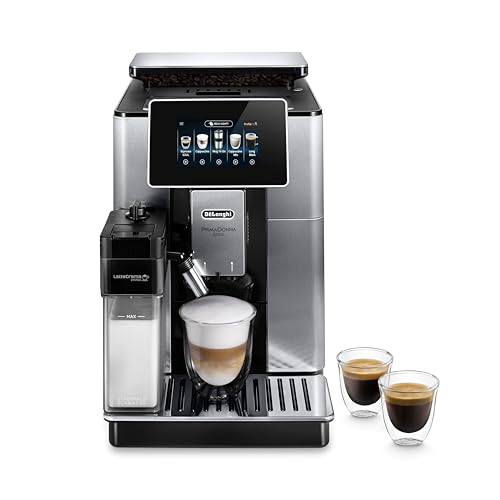
- Type of Coffee: Identify what type of coffee you choose (e.g., espresso, coffee, cappuccino) to choose the right machine.
- Budget plan: Set a spending plan that includes not only the machine however also maintenance expenses (filters, pods, etc).
- Developing Capacity: Consider how numerous cups you need to brew at one time. Larger machines deal with families or workplace environments, while single-serve machines are more suited for people.
- Ease of Use and Cleaning: Look for machines that have user-friendly interfaces and are easy to clean.
- Service warranty and Support: Check if the manufacturer offers a guarantee and trustworthy customer assistance for any prospective issues.
- Reviews and Ratings: Read online reviews to gauge client fulfillment and reliability of the machine.
Advantages of Buying Coffee Machines Online
Getting coffee machines online comes with several advantages:
- Wider Selection: Online shops generally have a wider variety of brands and models compared to brick-and-mortar stores.
- Convenience: Shopping online offers the benefit of checking out choices from home at any time.
- Rate Comparisons: Customers can easily compare prices throughout different sites to find the very best offers.
- User Reviews: Online platforms permit users to read firsthand experiences, assisting in making a support decision.
- Promotions and Discounts: Many online sellers frequently provide promos not found in stores.
Tips for a Successful Online Coffee Machine Purchase
Successfully purchasing a coffee machine online includes mindful research and preparation. Here are some practical ideas:
- Research Thoroughly: Spend time checking out various brands and designs to understand their pros and cons.
- Inspect Return Policies: Ensure the retailer provides a return policy in case the machine does not satisfy expectations.
- Search for Bundles: Some sellers provide packages that include devices or starter sets, offering much better overall worth.
- Evaluation Shipping and Handling: Be conscious of shipping costs and delivery times. Some retailers might provide totally free shipping or same-day delivery.
- Consider Maintenance: Opt for machines that have easily accessible parts for cleaning and replacements.
Frequently Asked Questions (FAQs)
Q1: What is the best coffee machine for novices?A1: A drip coffee maker or a single-serve machine is typically recommended for beginners due to their ease of usage and simpleness in brewing coffee.
Q2: How do I understand if a coffee machine deserves the financial investment?A2: Look for essential functions that match your coffee preferences, read reviews, and take a look at the guarantee and assistance alternatives available.
Q3: Can I buy Coffee Machines online coffee machine devices online?A3: Yes, a lot of online retailers offer devices such as filters, coffee beans, and cleaning products together with coffee machines.
Q4: Are there any affordable coffee machines available online?A4: Yes, there are lots of inexpensive alternatives readily available online. It is helpful to set a budget and search for designs that fit within your cost variety.
Q5: Do I require coffee beans for a coffee maker?A5: It depends upon the type of machine. Espresso machines and bean-to-cup makers require coffee beans, while single-serve machines use pods.
Buying a coffee machine online can be a straightforward procedure if approached with appropriate knowledge and eager consideration. From understanding the kinds of machines readily available to assessing their functions, customers can make informed decisions that cater to their distinct coffee choices and way of lives. With the rise of e-commerce, coffee lovers can now take pleasure in a practical and often more affordable way to bring their love for coffee into their homes. Whether it's a timeless drip coffee maker or a high-end espresso machine, the right coffee machine can change a regular into a pleasurable experience, ensuring that every cup is as special as the coffee beans from which it is brewed.
Composite Door Dent Repair: A Comprehensive Guide
Composite doors have ended up being increasingly popular in modern homes due to their sturdiness, security, and aesthetic appeal. Nevertheless, like any other type of door, they can struggle with dents and damage gradually. Whether it's a small dent from a roaming ball or a more considerable effect, knowing how to repair a composite door dent can save you both money and time. This post supplies an in-depth guide on how to identify, evaluate, and repair dents in composite doors, together with some frequently asked concerns and helpful suggestions.
Comprehending Composite Doors
Before diving into the repair procedure, it's important to understand what composite doors are and why they are susceptible to damages. composite tilt-and-turn door repair [139.155.134.53] doors are made from a combination of products, usually including wood, plastic, and fiberglass. This mix of materials makes them extremely resistant to weathering, warping, and rot, but they can still be vulnerable to physical damage.

Recognizing and Assessing the Dent
Visual Inspection:
- Size and Depth: Measure the size and depth of the dent. Little, shallow damages are easier to repair than larger, much deeper ones.
- Area: Note the location of the dent. Dents on the door's edge or near hinges might require more attention to avoid additional damage.
- Surface area Condition: Check if the dent has triggered any cracks or chips in the surface. These will need to be addressed as part of the repair procedure.
Product Assessment:
- Surface Layer: Composite doors often have a thin external layer of fiberglass or plastic. Examine whether this layer is intact or if it has been jeopardized.
- Core Material: The core of a composite door is normally made from wood or foam. Figure out if the core has actually been damaged, as this will affect the repair method.
Tools and Materials Needed
Tools:
- Heat weapon or hair clothes dryer
- Putty knife
- Sandpaper (various grits)
- Paintbrush
- Paint or touch-up set (matching the door color)
- Epoxy resin or filler
- Tidy cloths
Products:
- Wood filler (if the core is damaged)
- Fiberglass repair set (if the surface area layer is jeopardized)
- Primer
- Paint or stain
Step-by-Step Repair Process
Preparation:
- Clean the Area: Use a tidy cloth to remove any dirt, dust, or particles from the dented area.
- Protect Surrounding Areas: Cover the surrounding locations with tape or plastic to prevent damage throughout the repair procedure.
Heat Application:
- Heat the Dent: Use a heat weapon or hair dryer to use heat to the dinged up area. Move the heat source backward and forward to avoid getting too hot. The heat will help soften the products, enabling the dent to pop out.
- Display the Process: Continuously examine the dent as you apply heat. Stop once the dent begins to rise and ends up being less noticeable.
Filling the Dent:
- Apply Epoxy Resin or Filler: If the dent is still noticeable, use a little quantity of epoxy resin or filler to the area. Use a putty knife to spread it evenly.
- Smooth the Surface: Allow the filler to dry according to the manufacturer's directions. When dry, utilize sandpaper to smooth the surface, guaranteeing it is level with the surrounding location.
Surface Repair:
- Prime the Area: Apply a coat of guide to the fixed location to ensure appropriate adhesion of the paint.
- Paint or Stain: Use a paintbrush to use a matching paint or stain to the repaired location. Several thin coats may be needed to attain a seamless finish.
Last Touches:
- Polish and Buff: Once the paint is dry, use a fine-grit sandpaper to lightly polish the location. This will help mix the repair with the surrounding surface area.
- Inspect the Repair: Step back and inspect the repair from a distance to guarantee it is not noticeable.
Frequently asked questions
Q1: Can I repair a deep dent in a composite door?
- A1: While minor damages can be repaired with heat and filler, deep damages might need more substantial repairs, including replacing the damaged area of the door. It's finest to speak with a professional for deep dents.
Q2: Will the repair be noticeable?
- A2: With appropriate technique and matching paint, the repair needs to blend in well with the surrounding area. However, some minor exposure may be inescapable, specifically in high-traffic areas.
Q3: Can I use a hairdryer rather of a heat gun?
- A3: Yes, a hairdryer can be utilized as a substitute for a heat gun. Nevertheless, it may take longer to achieve the wanted heat, and you require to be more careful to prevent overheating the area.
Q4: What if the surface layer is damaged?
- A4: If the surface area layer is damaged, you might need a fiberglass repair package. Follow the package's directions to repair the surface area before proceeding with the filling and painting steps.
Q5: How long will the repair last?
- A5: With proper care and maintenance, a well-executed repair can last for many years. However, direct exposure to severe climate condition might impact the longevity of the repair.
Extra Tips
- Regular Maintenance: Regularly tidy and examine your composite door to capture and address small concerns before they end up being significant issues.
- Use the Right Tools: Invest in quality tools and materials to make sure a professional-looking repair.
- Practice on a Scrap Piece: If you're new to door repair, practice your methods on a scrap piece of composite material before working on your door.
Fixing a composite door dent is a task that can be handled with the right tools, materials, and methods. By following the actions laid out in this guide, you can successfully restore the appearance and functionality of your composite door. Keep in mind, while minor dents can be dealt with DIY, more substantial damage may require professional help. With a little patience and care, your composite door can look as great as brand-new.
By putting in the time to comprehend and address the problems, you can extend the life of your door and preserve the visual appeal of your home.

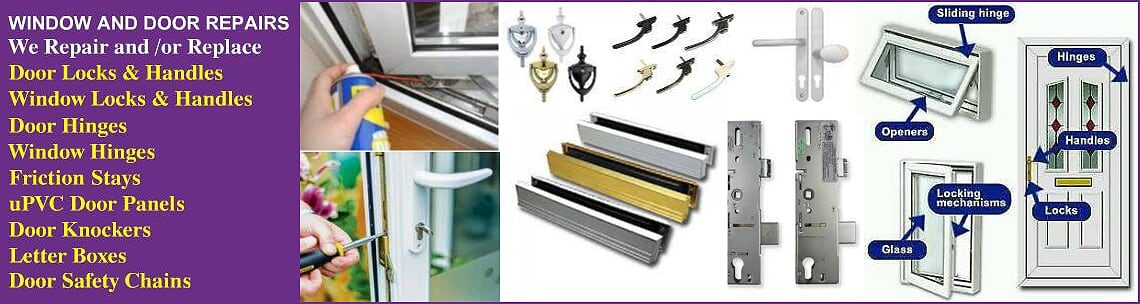
A Comprehensive Guide to Repairing Door Glass: Steps, Tools, and Tips
Doors play an essential function in improving security, aesthetic appeal, and overall functionality in both property and industrial areas. Amongst various door types, those with glass panels are particularly popular due to their capability to let in natural light and produce a sense of openness. However, glass doors are not resistant to damage; fractures and shatters can take place, requiring repairs. This post notifies you about the process of repairing door glass, including needed tools, potential costs, and FAQs to assist direct you through the repair procedure.
Types of Door Glass Damage
Before diving into the repair process, it's essential to determine the kind of damage your door glass has sustained. Acknowledging the damage will assist you determine whether the glass can be repaired or needs to be totally changed.
Common Types of Glass Damage:
- Cracks - Minor fractures on the surface of the glass.
- Chips - Small pieces broken off from the edge or surface of the glass pane.
- Shattered Glass - The glass has broken into multiple pieces, rendering it unusable.
- Misting - Moisture trapped in between double-pane glass that causes uncertain visibility.
Repair vs. Replacement
Figuring out whether to repair or replace the door glass depends on the extent of the damage:
| Damage Type | Repairable? | Suggested Action |
|---|---|---|
| Minor Cracks | Yes | Utilize a glass repair set |
| Chips | Yes | Fill with epoxy or resin |
| Shattered Glass | No | Change the whole pane |
| Misting | No | Replace the entire system |
Tools Required for Repairing Door Glass
If you find that your door glass is repairable, you will need specific tools and products for the job. Here is a list of essential tools:
Basic Tools:
- Safety safety glasses
- Work gloves
- Glass cleaner or ammonia service
- Ruler or determining tape
- An energy knife or glass cutter
- Epoxy or glass repair set
- Putty knife
- Fabrics or rags
For Replacement:
- Replacement glass pane
- Glazing compound (if appropriate)
- Caulking gun (for adhesive applications)
- Screwdriver (if door Refurbishment hardware needs to be gotten rid of)
- Wood shim (for spacing, if essential)
Step-by-Step Guide to Repairing Door Glass
Repairing Minor Cracks and Chips
Clean the Area:
- Use glass cleaner to get rid of dirt and debris around the damaged area.
Evaluate the Damage:
- If the fracture is less than a couple of inches long, it can typically be repaired.
Apply Epoxy or Repair Kit:
- Follow the manufacturer's directions for the epoxy or glass repair kit, and use it into the crack or chip utilizing a putty knife for even circulation.
Cure Time:
- Allow the repair to treat completely as shown in the instructions, generally for 24 hours.
Finish:
- Once cured, gently sand down any rough edges for a smoother surface. Clean any excess with the glass cleaner.
Changing Shattered Glass
Safety First:
- Wear security goggles and gloves to protect yourself from sharp edges.
Get Rid Of the Damaged Pane:
- Carefully secure broken glass pieces from the door frame, utilizing a flat tool to pry out any persistent shards.
Measure for Replacement:
- Measure the dimensions of the frame for the brand-new pane.
Get the Right Replacement Glass:
- Purchase or cut a replacement glass pane to the right size. Guarantee it is tempered security glass for exterior doors.
Set Up the New Pane:
- Place the new pane in the frame. If using a glazing compound, use it around the edges with a caulking weapon.
Secure the Glass:
- Replace any glazier points or screws to hold the glass firmly in location.
Finishing Touches:
- Allow any adhesive to cure based on guidelines, and tidy the glass with an ideal cleaner to remove any smudges.
Maintenance Tips to Prevent Future Damage
To avoid future glass repairs, consider the following maintenance suggestions:
- Regularly examine the door for signs of wear and cracks.
- Clean glass with non-abrasive cleaners to prevent scratches.
- Make sure correct seals and weather condition removing to decrease exposure to moisture.
- Prevent slamming or putting excessive weight versus glass doors.
Frequently Asked Questions (FAQs)
Q: Can I repair any kind of door glass myself?
A: Minor fractures and chips can usually be repaired by house owners. Shattered glass typically needs specialists for security reasons.
Q: Is repairing glass more affordable than changing it?
A: Generally, repairing glass is more economical than changing it. Nevertheless, costs commonly differ based upon the damage level and kind of glass.
Q: How long does a glass repair take?
A: Minor repairs can be finished in one day, while replacement may require a couple of hours depending on the complexity.
Q: What if my glass door is fogging?
A: Fogging usually suggests seal failure in double-pane glass. Sadly, repair is not practical, and replacement is necessary.
Repairing door glass can be a straightforward task if approached with the right tools and strategies. Whether you are handling minor cracks or shattered glass, comprehending the process guarantees that your door remains functional and visually appealing. Additionally, taking protective procedures will help preserve your glass doors in much better condition, prolonging their life and improving the space they occupy. For extensive damage or when in doubt, speaking with a specialist may be sensible to guarantee safety and quality repairs.

Buying an International Driver's License Online: A Comprehensive Guide
In today's globalized world, taking a trip to various nations has become more accessible than ever. For people who want to drive while abroad, acquiring an International Driver's License (IDL) is an essential step. Unlike a basic driver's license, an IDL is acknowledged in over 150 nations and serves as a translation of your domestic driver's license, making it easier to navigate foreign roads and abide by local guidelines. This article supplies a comprehensive guide on how to buy an International Driver's License online, ensuring tourists are well-prepared for their international driving adventures.
What is an International Driver's License?
An International Driver's License, also called an International Driving Permit (IDP), is a legal document that certifies the holder possesses a valid driver's license provided by their home country. It is essentially a translation of your domestic license into multiple languages, consisting of English, French, Spanish, and others, which can help prevent communication barriers and legal problems while driving abroad. The IDL is not a standalone license and needs to be used in conjunction with a legitimate domestic license.
Why Do You Need an International Driver's License?
- Legal Requirement: Many nations need international motorists to have an IDL in addition to their domestic license. Failing to comply can lead to fines and even the confiscation of your vehicle.
- Language Barrier: An IDL translates your license into numerous languages, making it simpler for local authorities to confirm your driving credentials.
- Insurance: Some insurer require an IDL to supply coverage for international driving.
- Rental Car Agencies: Many car rental companies will not rent a car without an IDL, even if you have a legitimate domestic license.
How to Obtain an International Driver's License Online
Inspect Eligibility
- Valid Domestic License: You should hold a valid driver's license from your home country.
- Age Requirement: Most nations need you to be a minimum of 18 years old to get an IDL.
- Driving Experience: Some nations may need a minimum driving experience, generally varying from 1 to 3 years.
Choose a Trusted Provider
- American Automobile Association (AAA): For U.S. residents, AAA is one of the most relied on suppliers of IDLs.
- Vehicle Association (AA): In the UK, the AA is a reliable alternative.
- National Touring Clubs: Many nations have national touring clubs that offer IDLs, such as the Automobile Club of Italy (ACI) or the Allgemeiner Deutscher Automobil-Club (ADAC) in Germany.
Gather Required Documents
- Domestic Driver's License: A clear, legible copy of your existing driver's license.
- Passport: A scanned copy of your passport, especially the page with your picture and personal details.
- Application: Fill out the application form supplied by the selected supplier.
- Photos: Some companies need recent passport-sized pictures.
Submit Your Application
- Online Application: Most companies provide an Köpa A2 Körkort Online application process. Complete the kind with your individual information, publish the required documents, and pay the application fee.
- Payment: Fees vary by country and provider but normally vary from ₤ 15 to ₤ 35. Payment methods consist of charge card, PayPal, and direct bank transfers.
Wait for Approval
- Processing Time: The processing time can vary, but it normally takes 1 to 2 weeks for your IDL to be issued and delivered.
- Tracking: Some suppliers provide a tracking service to keep an eye on the status of your application.
Receive Your IDL
- Shipment Options: Your IDL can be provided through mail, courier, or chose up face to face.
- Confirmation: Upon receipt, validate that all the details on the IDL is correct and matches your domestic license.
Actions to Ensure a Smooth Application Process
- Read the Fine Print: Review the supplier's terms and conditions to comprehend any specific requirements or limitations.
- Double-Check Documents: Ensure all uploaded documents are clear and legible to avoid delays.
- Take Note Of Expiry Dates: Make sure your domestic license and passport stand for the period of your journey.
- Strategy Ahead: Apply for your IDL well in advance of your travel date to enable for processing and delivery times.
Frequently Asked Questions About International Driver's Licenses
Q: Can I drive in any country with an International Driver's License?
- A: An IDL is recognized in over 150 countries, but it is not widely accepted. Constantly check the specific requirements of the nation you prepare to check out.
Q: How long is an International Driver's License legitimate?
- A: An IDL is typically valid for one to 3 years, depending upon the providing nation. It ends on the same date as your domestic license.
Q: Can I make an application for an IDL if my domestic license is suspended?
- A: No, you need to have a valid, unsuspended driver's license to get an IDL.
Q: What should I do if my IDL is lost or stolen?
- A: Contact the releasing company right away to report the loss. You may require to reapply and pay a new charge to get a replacement.
Q: Can I renew my IDL online?
- A: Yes, the majority of companies allow you to renew your IDL online. The procedure resembles the initial application, but you may need to supply proof of your existing domestic license.
Q: Are there any limitations on the types of automobiles I can drive with an IDL?
- A: The types of cars you can drive with an IDL are normally the like those permitted by your domestic license. Nevertheless, some countries might have extra restrictions, so it's essential to check regional policies.
Common Mistakes to Avoid
- Using Too Late: Ensure you request your IDL at least a month before your travel date to account for processing and delivery times.
- Not Reading the Requirements: Each nation has its own set of requirements for international chauffeurs. Stopping working to check out these can lead to unexpected issues.
- Utilizing Fake IDLs: Some sites offer fake IDLs. Always use a relied on company to prevent legal issues.
- Overlooking Insurance: Verify that your insurance coverage covers international driving. Some policies do not, and you may need to buy additional protection.
Tips for Safe International Driving
- Familiarize Yourself with Local Laws: Traffic laws and driving practices can differ considerably from one country to another. Research and understand the regional policies before you start driving.
- Check Vehicle Requirements: Some countries have specific requirements for automobile security and upkeep. Ensure your rental car fulfills these requirements.
- Stay Calm and Alert: Driving in a foreign country can be demanding. Stay calm, look out, and drive defensively.
- Use GPS and Maps: A GPS or a detailed map can assist you navigate unknown roads and avoid getting lost.
- Regard Road Signs: Pay attention to roadway signs and markings, as they might differ from what you are used to.
Acquiring an International Driver's License online is a simple procedure that can considerably enhance your travel experience. By following the steps described in this guide and avoiding typical pitfalls, you can guarantee a smooth and safe driving experience abroad. Whether you're preparing a brief journey or a prolonged stay, having an IDL can supply assurance and legal protection, allowing you to enjoy the liberty of the open roadway any place your travels take you.
Extra Resources
- AAA IDL Application: [Link to AAA IDL Application]
- AA IDL Application: [Link to AA IDL Application]
- IDP International: [Link to IDP International]
- Local Driving Regulations: [Link to an extensive database of regional driving laws]
By making the effort to prepare and comprehend the procedure, you can take advantage of your international driving experiences. Safe travels!
The Ultimate Guide to Toddler Bunk Beds: Safety, Benefits, and Tips
When it comes to furnishing a kid's bedroom, parents often consider the best solutions for space, functionality, and comfort. One useful choice that has acquired appeal is toddler bunk beds. These specialized beds not only conserve space however also add a sense of adventure to a kid's sleeping environment. In this guide, we will dig into the myriad of benefits that toddler bunk beds use while also discussing precaution, styles, and maintenance tips.

What is a Toddler Bunk Bed?
A toddler bunk bed is a dual-level sleeping structure created particularly for young children, generally aged between two and 5 years old. The upper bunk is usually raised with a safety rail, while the lower bunk can be either a standard bed mattress or a trundle bed for additional sleeping space.

Advantages of Toddler Bunk Beds
Toddler bunk beds include a series of advantages:
- Space Efficiency: Ideal for shared rooms or smaller sized spaces.
- Motivates Independence: Climbing to bed promotes self-sufficiency.
- Conserves Money: Purchasing one furniture piece indicates less expense than two separate beds.
- Enjoyable Aesthetic: Many styles feature lively themes that appeal to young kids.
- Versatility: Many bunk beds come with the alternative to separate into two individual beds.
Popular Styles of Toddler Bunk Beds
When picking a toddler bunk bed, it's vital to think about various styles. Here are some popular choices:
- Traditional Bunk Bed: Usually made from wood or metal; features a basic upper and lower bunk.
- L-Shaped Bunk Bed: Offers an alternative design, typically supplying space for a desk or play location beneath.
- Loft Beds: The upper bunk rises, producing a play area or storage space listed below.
- Trundle Beds: These beds feature an extra bed kept below, suitable for sleepovers.
Table: Key Features of Toddler Bunk Bed Styles
| Style | Description | Benefits |
|---|---|---|
| Traditional Bunk Bed | 2 stacked beds | Timeless style, extensively readily available |
| L-Shaped Bunk Bed | Beds arranged in an 'L' shape | Unique layout, more play location |
| Loft Bed | Raised single bed with space listed below | Excellent for small rooms |
| Trundle Bed | Dual beds in one frame | Accommodates sleepovers quickly |
Security Considerations for Toddler Bunk Beds
Safety must be the primary concern when choosing a toddler bunk bed. Here are some vital standards to guarantee a safe sleeping environment:
- Height: Ensure that the height of the upper bunk is suitable for your child's age and ability.
- Protective Rails: Always choose beds with guardrails on the upper bunk to avoid falls.
- Strong Construction: Look for beds made of solid wood or high-quality metal with enough weight capability.
- Age Restrictions: Some makers specify age limitations for the upper bunk; adhere strictly to these guidelines.
- Bed Placement: Keep the bed away from windows, lights, or any other potential threats.
Upkeep of Toddler Bunk Beds
To keep your toddler bunk bed in top condition, regular upkeep is essential. Here are some ideas:
- Routine Inspections: Regularly look for loose screws and tighten them if necessary.
- Cleanliness: Use a damp fabric to clean down surfaces to eliminate dust and irritants.
- Bed mattress Care: Rotate the bed mattress occasionally for even use.
- Look for Performance: Regularly ask your kid about comfort and safety during sleep.
FAQ: Common Questions About Toddler Bunk Beds
1. What age is suitable for a toddler bunk bed?
Most experts advise that kids start using a bunk bed once they are at least 6 years old. However, some toddler-specific designs may be appropriate for kids as young as 2 or 3.
2. Can you convert a toddler bunk bed into two separate beds?
Many toddler bunk beds are created to be versatile. Examine the manufacturer's specifications to make sure that separation is possible.
3. How do I choose the ideal mattress for a toddler bunk bed?
Select a mattress that fits the bed's dimensions completely, typically a twin or particular toddler bed mattress for safety. Memory foam or innerspring bed mattress can provide comfort.
4. Are toddler bunk beds safe for active sleepers?
While no bed is totally without danger, toddler bunk beds can be safe for active sleepers when the proper security measures (guardrails, proper height, strong construction) are observed.
5. What is the weight limitation for toddler bunk beds?
Weight limits differ by design. Usually, makers advise weight limits varying in between 150 to 200 pounds for upper bunks. Always refer to the bed's requirements.
Toddler bunk beds can be a creative, practical, and enjoyable addition to your child's bed room. They not just promote a sense of adventure and self-reliance in young kids, but they likewise optimize space, making them an appealing choice for lots of households. By focusing on security and choosing the best design, moms and dads can provide a cozy sleeping environment that grows with their kids.

The Process of Legally Acquiring a Driving License: A Comprehensive Guide
Getting a driving license is a substantial milestone for lots of people. It not just symbolizes independence however likewise offers access to a huge selection of chances, ranging from work to leisure activities. However, to ensure safety and compliance with legal standards, it is vital to understand the process of obtaining a driving license legally.

Comprehending the Importance of a Legal Driving License
A driving license serves several functions:
- Identification: It acts as a type of recognition and can be used in various scenarios requiring evidence of identity.
- Legal Permission: It legally permits individuals to operate automobile, differentiating in between those who have actually passed the required tests and those who have not.
- Safety Assurance: It indicates that the individual has finished required driving tests, contributing to much safer roadways.
Steps to Acquire a Legal Driving License
The process of getting a driving license can vary by state or nation; nevertheless, it generally follows comparable steps. Below is a thorough outline of the normal stages associated with lawfully obtaining a driving license.
1. Research Local Requirements
Before starting the process, it's essential to comprehend the specific requirements in your location. This may consist of age constraints, needed documents, and the types of licenses offered.
2. Total a Driver's Education Course
Numerous regions require prospective motorists to finish a motorist's education course. This typically includes:
- In-class training on traffic laws and regulations
- Behind-the-wheel training
3. Obtain a Learner's Permit
After completing the education requirements, individuals might apply for a student's authorization. This allows them to practice driving under the supervision of a certified grownup. Requirements normally include:
- Proof of identity and residency
- Payment of relevant charges
- Passing a written test on traffic laws
4. Gain Driving Experience
The student's permit generally features limitations, such as the requirement to log a certain variety of practice hours. It's crucial to:
- Drive under various conditions (nighttime, rain, highway)
- Learn to deal with different types of lorries
5. Schedule a Driving Test
Once the specific feels great in their driving capabilities, they can set up a driving test. Preparation typically includes:
- Practicing required maneuvers (parallel parking, lane changes)
- Reviewing road signs and guidelines
6. Pass the Driving Test
During the driving test, the examiner will assess the individual's abilities. An effective completion is required to receive a legal driving license.
7. Get Your Driving License
Upon passing the test, the individual will need to pay any required charges. They will then get a driving license, entitling them to legally operate automobile.
8. Follow Renewal and Upgrading Regulations
Driving licenses usually have expiration dates. Individuals need to track when they require to renew their license, and know policies relating to updating to various classes of licenses for bigger cars.
Table: Key Requirements for Obtaining a Driving License
| Step | Requirements | Notes |
|---|---|---|
| Research Local Requirements | Varies by state/country | Inspect DMV or pertinent authority |
| Driver's Education Course | Varies in length and material | May consist of both theory and practice |
| Learner's Permit | Proof of identity, charges, written test | Supervisory driving needed |
| Driving Experience | Logged hours of practice | Must be monitored |
| Driving Test | Set up consultation, lorry for screening | Test differs by area |
| License Issuance | Successful test, payment of fees | Typically issued on the exact same day |
| Renewal | Normally every 2-10 years, differs by jurisdiction | Requirements might include retesting |
FAQs About Buying a Legal Driving License
Q1: Can I lawfully buy a driving license without taking a test?
A: No, it is unlawful to buy a driving license without passing the required tests. Each jurisdiction mandates testing to make sure that applicants have the required knowledge and abilities.
Q2: What should I do if I've lost my driving license?
A: If you lose your driving license, report it to your regional authorities. You can usually look for a replacement license through your local DMV, which might need recognition and payment of a cost.
Q3: Are there age restrictions for obtaining a driving license?
A: Yes, many areas have specific age requirements. Generally, people need to be at least 16 to 18 years of ages to obtain a student's license and around 18 to receive a complete license, however this can vary extensively.
Q4: What if I fail the driving test?
A: If you stop working the driving test, don't be prevented. You can normally retake the test after a waiting period. Utilize the time to practice and enhance your skills.
Q5: Can I drive with a student's authorization?
A: Yes, but typically under particular restrictions such as being accompanied by a licensed motorist and not driving during particular hours.
Getting a legal driving license is a multi-step process that makes sure people are sufficiently trained to run a lorry. By adhering to local policies, finishing essential education, and obtaining driving experience, individuals can effectively navigate the journey to acquiring their driving license. Keep in mind, safety and compliance are vital, and without these concepts, documentos de condução (Source Webpage) achieving your driving objectives can be substantially compromised.

Composite Door Panel Replacement: A Comprehensive Guide
Composite doors have ended up being significantly popular in modern-day homes due to their durability, security, and visual appeal. Nevertheless, over time, the panels of these doors can become damaged or used, demanding replacement. This thorough guide will stroll you through the process of composite door panel replacement, offering step-by-step directions, beneficial suggestions, and responses to often asked questions.
Understanding Composite Doors
Composite doors are made from a combination of materials, including wood, plastic, and sometimes metal. These materials are created to imitate the look of conventional wood doors while offering enhanced resilience and resistance to weathering. Composite doors are known for their energy effectiveness, security, and low maintenance requirements.
When to Replace Composite Door Panels
Before diving into the replacement process, it's crucial to determine whether your composite door panels need to be replaced. Here are some signs that suggest it might be time for a panel swap:
- Visible Damage: Cracks, dents, or chips in the panel.
- Weathering: Fading, peeling, or warping due to exposure to the aspects.
- Security Concerns: Loose or compromised panels that present a security threat.
- Visual Preferences: Desire to change the look of your door to match brand-new interior or exterior design.
Tools and Materials Needed
Before you start the replacement process, collect the following tools and materials:
- New Composite Door Panel: Ensure it matches the size and design of your existing panel.
- Screwdriver: For eliminating screws and fasteners.
- Rubber Mallet: For carefully tapping the panel into location.
- Energy Knife: For trimming any excess product.
- Caulk Gun and Silicone Sealant: For sealing gaps and making sure a watertight fit.
- Security Gear: Gloves and safety glasses for security.
Step-by-Step Guide to Composite Door Panel Replacement
Prepare the Work Area
- Clear the location around the door to ensure a safe and unblocked work space.
- Lay down a ground cloth or protective covering to protect the floor.
Get Rid Of the Existing Panel
- Utilize a screwdriver to eliminate the screws or fasteners that secure the panel to the door frame.
- Carefully pry the panel out of the frame, utilizing a rubber mallet if required to avoid harming the surrounding structure.
Examine the Door Frame
- Examine the door frame for any damage or wear. If essential, repair or replace any damaged components.
- Clean the frame to guarantee a smooth and clean surface for the new panel.
Set Up the New Panel
- Position the brand-new composite door panel in the frame, ensuring it is focused and lined up.
- Utilize a rubber mallet to carefully tap the panel into location, making sure it is secure and flush with the frame.
Secure the Panel
- Reattach the screws or fasteners, tightening them securely but not so much that they cause the panel to warp.
- Verify the alignment and fit of the panel to ensure it is level and secure.
Seal the Gaps
- Apply a bead of silicone sealant around the edges of the panel to create a water tight seal.
- Smooth the sealant with a caulk smoothing tool to make sure a tidy and professional finish.
Check the Door
- Open and close the door numerous times to guarantee it runs smoothly and the brand-new panel is effectively set up.
- Look for any gaps or leakages and make adjustments as needed.
Final Touches
- Tidy the door and panel with a moderate cleaning agent and water to remove any dirt or residue.
- Apply a fresh coat of paint or stain, if preferred, to match the rest of your door and exterior.
Tips for a Successful Replacement
- Step Twice, Cut Once: Ensure the brand-new panel is the precise shapes and size of the old one to prevent fitting issues.
- Usage High-Quality Materials: Invest in top quality composite tilt-and-turn door repair (read more on repo.fusi24.com`s official blog) panels and sealants to ensure durability and performance.
- Take Your Time: Rushing the process can cause mistakes. Take your time to ensure an exact and professional installation.
- Seek Professional Help: If you are not sure about any action of the procedure, consider consulting a professional for guidance.
FAQs
Q: Can I replace a composite door panel myself?A: Yes, with the right tools and a little bit of persistence, you can replace a composite door panel yourself. However, if you are not comfortable with the procedure, it is a good idea to seek professional support.
Q: How long does it take to replace a composite door panel?A: The whole process generally takes a few hours, depending upon your experience and the complexity of the task. Guarantee you have sufficient time to complete the job without hurrying.
Q: Can I paint over a composite door panel?A: Yes, composite door panels can be painted. Nevertheless, it is necessary to use a paint that appropriates for composite materials and to appropriately prepare the surface by cleansing and sanding it before using paint.
Q: What should I do if the new panel doesn't fit?A: If the new panel doesn't fit, double-check your measurements and ensure the panel is the right size. If necessary, cut the panel with an utility knife to accomplish the best fit. Always check the fit before protecting the panel in location.
Q: How frequently do composite door panels require to be changed?A: Composite door panels are extremely durable and can last for several years with correct care. Nevertheless, factors such as weathering, damage, and wear can affect their life-span. Regular maintenance and assessments can assist extend the life of your composite door panels.
Changing a composite door panel is a workable DIY project that can substantially improve the look and functionality of your door. By following the steps described in this guide and utilizing the right tools and products, you can accomplish a professional and enduring outcome. Whether you are addressing damage, improving security, or merely upgrading the appearance of your home, composite door panel replacement is an important skill to have in your home improvement toolbox.